Fauvism
Cassis (André Derain)
André Derain (1880–1954) on luonut teoksen Cassis. Se kuuluu Fauvism-liikkeeseen. Se on valmistettu materiaalilla Oil On Canvas.
- Oil On Canvas

 Esikatselu

 Käsinmaalattu öljymaalaus
 Jaa teos
 Jaa
 Tiedot-arkki


 Lataa kuva
 Samanlaisia kohteita
 Röntgenkuvaus
 Diaesitys
 Kysymykset ja vastaukset

 Tilastot
Cassis lyhyesti
- Otsikko
- Cassis
- Taiteilija
- André Derain (1880–1954)
- Taiteilija syntynyt
- Chatou, Ranska
- Tekniikka
- Oil On Canvas
- Tyylisuunta
- Fauvism
- Aikakausi
- Modern
- Aihe
- village, trees, church, house, people, buildings
Mitä Cassis esittää?
Identification of the Landscape at Cassis
The artwork titled Cassis, also known as Landscape at Cassis, is an oil on canvas painting. This work was executed by the French artist André Derain in 1907. The subject matter focuses on a landscape setting located in Cassis, France.
The painting depicts a village scene characterized by various structures and natural elements. A church occupies a central position within the town. Surrounding this central building are numerous trees. The composition includes a house with a red roof and a building resembling a barn. Several people are positioned throughout the scene, appearing to move through or observe the village environment.
Visual Composition and Subject Matter
The composition centers on a hillside landscape where a house with a red roof sits among various trees. This structure is positioned on an incline, surrounded by dense vegetation. Several people are scattered throughout the scene, appearing as small figures engaged in activities or observing the view. The arrangement of the terrain and the placement of the buildings create a sense of a settled village environment.
The natural elements are rendered as a dense web of stylized forms. These shapes are distributed across a smooth surface, creating a patterned effect within the landscape. The trees and the surrounding greenery form a complex network of lines and colors that define the topography of the hillside. The presence of the church and the barn adds structural variety to the village setting, contrasting with the organic shapes of the foliage.
Artistic Style and Technique
The work exemplifies the essence of Fauvism through its use of vivid colors and energetic brushstrokes. The application of paint involves thick black outlines that define the various structures and natural elements within the scene. These heavy contours create a sharp separation between the buildings, the trees, and the sky. The color palette relies on stark contrasts to establish form and depth. This approach moves away from naturalistic shading in favor of direct, unmixed hues.
The composition occupies a position halfway between Fauvism and Cubism. While the color application remains bold and non-representational, there is an emerging interest in structure and form. The artist uses a dense web of stylized natural elements across the surface. These elements are rendered with a controlled, almost geometric quality that suggests a transition toward more structured compositions. The brushwork remains visible and rhythmic, contributing to the overall sense of movement within the landscape.
Related Works by André Derain
The artist's exploration of the French coastline includes The Cypresses at Cassis and Landscape near Cassis (Paysage aux environs de Cassis). These works focus on the specific light and topography of the region. In the latter, the composition features a house with a red roof situated on a hillside, surrounded by trees and figures. The palette in these studies often utilizes the intense colors associated with the Fauvist movement, employing bold and non-naturalistic hues to define the landscape.
During a period of travel to the United Kingdom, Derain produced a series of thirty paintings focused on the urban environment of London. These works move away from the quietude of the French countryside to capture the structural weight of the city and the movement of the Thames. His later output also includes Harlequin and Pierrot, a work from 1924 that reflects a shift in his stylistic direction following his earlier experimental years.
- The Cypresses at Cassis
- Landscape near Cassis (Paysage aux environs de Cassis)
- Harlequin and Pierrot
Where to See This Artwork Today
The oil on canvas painting is currently held within the collection of the New Orleans Museum of Art. This institution maintains the work as part of its permanent holdings. Visitors seeking to observe the piece in person can find it within this specific museum setting.
The provenance and ownership of the work involve the Hermann und Margrit Rupf-Stiftung, Kunstmuseum Bern. This association links the painting to the collection at the Kunstmuseum Bern. Additionally, the artist's broader body of work is represented in the Musee d'art moderne Andre Malraux, which houses other pieces by the same hand.
Cassis korkearesoluutioiset kuvat

André Derain, Cassis. Tekijänoikeudet vapaat.
Digitaalisen asiantuntijan toimesta alkuperäisen teoksen väreihin sovitettu, huolellisesti jälkikäsitelty tiedosto, joka on uskollinen taiteilijan siveltimenjäljille.
Osta korkearesoluutioinen tiedostoKysymyksiä teoksesta Cassis, vastaukset
Mitä tekniikkaa teoksessa André Derain:n "Cassis" on käytetty?
André Derain käytti teoksessa "Cassis" Oil On Canvas-tekniikkaa. Tekniikka määrittelee alkuperäisen teoksen materiaalisen luonteen.
Mitä "Cassis" esittää?
Teoksen André Derain:n "Cassis" teemoihin kuuluvat village, trees, church, house, people, buildings, red roof. Yhdessä ne tiivistävät teoksen aiheen.
Onko teos "Cassis" tekijänoikeusvapaa?
André Derain:n "Cassis" on vapaasti käytettävissä – tekijänoikeussuoja on päättynyt. Tämä tila määrittää, miten teoksen kuvaa saa käyttää uudelleen.
Kuka on luonut teoksen "Cassis"?
Teoksen "Cassis" taiteilija on André Derain. Teos on luetteloitu André Derain nimellä.
Mihin taidesuuntaukseen André Derain:n "Cassis" kuuluu?
Teoksen André Derain:n "Cassis" tyylisuunta on Fauvism. Tämä luokittelu sijoittaa teoksen muiden samankaltaisten taiteilijoiden ja teosten joukkoon.
Mihin André Derain'n uran vaiheeseen "Cassis" kuuluu?
André Derain'n uralla teos "Cassis" sijoittuu aikakaudelle Fauvist Period. Tämä vaihe auttaa vertaamaan sitä taiteilijan muihin teoksiin.
Onko André Derain teos "Cassis" tekijänoikeudeltaan vapaa (public domain), ja miksi?
André Derainn teos "Cassis" on vapaasti käytettävissä – tekijänoikeussuoja on päättynyt. Tekijänoikeusajat lasketaan taiteilijan kuolinvuodesta, ja André Derain kuoli vuonna 1954.
Miten "Cassis" asettuu osaksi André Derain'n muuta tuotantoa?
"Cassis" kuuluu André Derain:n Fauvism-kauden tuotantoon, jonka tunnettuun teemaan kuuluvat influenced by matisse, influenced by cézanne, fauvist movement essence, key fauvist work."
Onko "Cassis" tyypillinen esimerkki siitä, mitä André Derain yleensä loi?
"Cassis" esittää aiheita village, trees, church, house, people, buildings, red roof, kun taas André Derain tunnetaan teemoistaan influenced by matisse, influenced by cézanne, fauvist movement essence, key fauvist work. Näiden kahden vertaaminen osoittaa, miten teos liittyy taiteilijan tavallisiin aiheisiin.
Tietoa taiteilijasta, André Derain
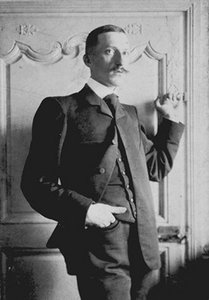
1880–1954, Ranska
André Derain
Varhaisluonnos, perhe ja koulutus Vuonna 1880 André Derain saapui maailmaan Chatoun kylässä, joka lepää Ranskan Yvelinesin alueen syleilyssä. Hänen varhaislapsuutensa muovautui Île-de-Francen hiljaisissa maisemissa, joissa ympäristön luonnollinen kauneus alkoi kylvää syvää uteliaisuutta. Jo vuonna 1895 hän oli aloittanut itsenäiset opiskelunsa, pyrkien ymmärtämään visuaalista maailmaa omien silmiensä kautta pikemminkin kuin muodollisen opetuksen kautta. Tämä itseohjautuneen tutkimuksen aika antoi hänelle mahdollisuuden kehittää omanlaisensa tavan nähdä maailma ennen kuin akatemioiden tiukat säännöt olisivat voineet rajoittaa hänen luovuuttaan.
Tietoa kohteesta André Derain André Derainn merkittävimpiä teoksia
Myös André Derain -teoksia
 bathers1907
 London Bridge1906
 Charing Cross from sw1906
 Landscape at L'Estaque1906
Esseitä teoksesta Cassis
 Fauvism and Cubism: Distinguishing Color Revolution from Spatial AnalysisMaster the core differences between Fauvism and Cubism through expert analysis. Discover how color and space redefined modern art today.
 Early Netherlandish Painting vs. Italian Renaissance: A Comparative StudyMaster the differences between Netherlandish detail and Renaissance perspective. Explore this expert comparative study now.
 Virgin Islands artworks of the 1870s1870s masterpieces from the US Virgin Islands include works by Camille Pissarro, Paul Gauguin, and Paul Cézanne. See the full collection on…