Northern Renaissance · 1598
Forest Landscape (Gillis Van Coninxloo, 1598)
Gillis Van Coninxloo (1544–1607) on luonut teoksen Forest Landscape. Se on peräisin vuodelta 1598. Se kuuluu Northern Renaissance-liikkeeseen. Se on valmistettu materiaalilla Oil On Panel. Teos sijaitsee Liechtenstein Museum -museossa paikassa Wien, Austria. Koko on 42 × 61 cm.
- 1598
- Oil On Panel
- 42 × 61 cm
- Liechtenstein Museum, Wien

 Esikatselu

 Käsinmaalattu öljymaalaus
 Jaa teos
 Jaa
 Tiedot-arkki


 Lataa kuva
 Samanlaisia kohteita
 Röntgenkuvaus
 Diaesitys
 Kysymykset ja vastaukset

 Tilastot
Forest Landscape lyhyesti
- Otsikko
- Forest Landscape
- Taiteilija
- Gillis Van Coninxloo (1544–1607)
- Taiteilija syntynyt
- Antwerpen, Belgia
- Päivämäärä
- 1598
- Tekniikka
- Oil On Panel
- Mitat
- 42 × 61 cm
- Missä teos on nähtävissä
- Liechtenstein Museum, Wien, Austria
- Tyylisuunta
- Northern Renaissance
- Aikakausi
- Early Modern
- Aihe
- forest landscape, dark woods, path, village view, atmospheric, tranquility
Mitä Forest Landscape esittää?
Identification of the Forest Landscape Artwork
The artwork titled Forest Landscape is a painting by the Flemish artist Gillis Van Coninxloo. Executed in 1598, this work is an oil on panel. The physical dimensions of the piece are 42 x 61 cm. It is currently held within the Liechtenstein Museum in Vienna, Austria.
This specific composition depicts a dense woodland environment. The scene features a winding path that leads into a thicket of trees. The foliage consists of various shades of green, while the trunks and branches create a heavy canopy overhead. In the background, a small village is visible through the gaps in the trees, providing a sense of distance within the forest setting.
The subject matter focuses on the natural world, specifically the textures of bark, leaves, and moss. A single, small human figure is positioned beneath a tree within the landscape. The composition utilizes a dark palette of browns, greens, and ochres to define the wooded area. Light filters through the upper branches, creating a contrast between the shadowed recesses of the undergrowth and the illuminated patches of the clearing.
Composition and Visual Elements
The composition is largely symmetrical, organized around a winding path that leads the eye toward the center of the image. This path cuts through a dense woodland, where the trunks and branches of trees intertwine to form a thick canopy overhead. Only a few small patches of sky are visible through the gaps in the foliage. Within this enclosed space, a single tiny human figure reclines beneath a tree, positioned near the center of the scene. The scale of the trees and the surrounding undergrowth dwarfs the figure, emphasizing the vastness of the natural environment.
Color is concentrated in the various hues of green found in the leaves and the mossy textures of the forest floor. These greens contrast with the dark browns and ochres of the tree trunks and the earth. In the background, a small village is visible through the trees, providing a sense of distance and depth. The lighting creates a chiaroscuro effect, with strong contrasts between the deep shadows of the thickets and the light that filters through the canopy onto the path and the reclining figure.
Technique and Artistic Style
The artist utilized oil on panel to establish a sense of depth and a tangible texture across the surface. The application of paint likely involves multiple layers and glazing, a method used to achieve a specific luminosity within the darker sections of the composition. This technique allows light to appear as though it is filtering through the canopy, creating a chiaroscuro effect through the deliberate placement of light and shadow. The resulting atmosphere is defined by a palette of dark colors and a high degree of intricate detail.
The composition is built upon a dense arrangement of ancient oaks and thick undergrowth. There is a clear priority placed on the textural richness of the natural elements, specifically the bark of the trees, the individual leaves, and the presence of moss. These organic forms are rendered with meticulous care, contributing to the overall density of the woodland scene. The interplay of light and shadow defines the verticality of the trunks and the irregular shapes of the foliage, emphasizing the physical presence of the forest environment.
Artistic Influence and Legacy
Gillis Van Coninxloo occupied a central position in the evolution of Northern landscape art. His technical approach functioned as a bridge between the intricate traditions of Mannerism and the atmospheric depth characteristic of the early Baroque. Through his development of the forest landscape, he moved away from panoramic vistas toward intimate, enclosed woodland scenes. This shift prioritized the textural details of bark, leaves, and moss, often submerging small human figures within an expansive, detailed natural environment.
The influence of his method extended to several prominent painters of the period. Jan Brueghel the Elder and Pieter Schoubroeck were among those affected by his stylistic developments. His approach to dense, immersive woodland compositions also impacted the work of Roeland Savery and various other Flemish and Dutch landscape painters. This specific work, created about 1598, represents his technical skill and craftsmanship in rendering the natural world.
Missä museossa teos Forest Landscape on?
Liechtenstein Museum
Wien, Austria
Wieniläisen barokin loiston helmi Wienin historiallisen Ringstraßen sydämessä sijaitseva Liechtenstein Museum on osa ympäristöään, joka on itsessään yhtä suuri mestariteos kuin sen suojelemat aarteet. Upeassa Palais Liechtensteinissa sijaitseva museo tarjoaa uppoutuvan matkan aristokraattisen eleganssin sieluun ja Liechtensteinin suvun syvään perintöön. Kun vierailijat lähestyvät palatsirakennusta, heitä vastassa on menneen aikakauden arkkitehtoninen loisto, jossa jokainen kullattu reunalista ja jylhä portaikko kuiskailee tarinoita keisarillisesta arvokkuudesta.


Forest Landscape korkearesoluutioiset kuvat

Gillis Van Coninxloo, Forest Landscape (1598), Liechtenstein Museum. Tekijänoikeudet vapaat.
Kysymyksiä teoksesta Forest Landscape, vastaukset
Missä teosta Gillis Van Coninxloo:n "Forest Landscape" voidaan tällä hetkellä nähdä?
Teos Gillis Van Coninxloo:n "Forest Landscape" on esillä Liechtenstein Museum, Wien, Austria-museossa. Museoluettelo viittaa alkuperäisteokseen, ei jäljennöksiin.
Milloin teos Gillis Van Coninxloo:n "Forest Landscape" on luotu?
Gillis Van Coninxloo:n "Forest Landscape" on luotu vuonna 1598.
Mitä tekniikkaa teoksessa Gillis Van Coninxloo:n "Forest Landscape" on käytetty?
Gillis Van Coninxloo käytti teoksessa "Forest Landscape" Oil On Panel-tekniikkaa. Tekniikka määrittelee alkuperäisen teoksen materiaalisen luonteen.
Mikä on Gillis Van Coninxloo:n "Forest Landscape" todellinen koko?
Teoksen "Forest Landscape" alkuperäiset mitat ovat 42 x 61 cm. Alkuperäiset mitat ovat hyödyllinen vertailukohta, kun valitset reproduktion kokoa.
Mitä "Forest Landscape" esittää?
Teoksen "Forest Landscape" aiheina ovat forest landscape, dark woods, path, village view, atmospheric, tranquility, nature scene, 16th century.
Onko teos "Forest Landscape" tekijänoikeusvapaa?
Tekijänoikeuksien osalta teos "Forest Landscape" on vapaasti käytettävissä – tekijänoikeussuoja on päättynyt.
Kuka on luonut teoksen "Forest Landscape"?
"Forest Landscape" on Gillis Van Coninxloo:n luoma teos. Tällä sivulla olevat tiedot kuvaavat Gillis Van Coninxloo:n alkuperäistä työtä.
Mihin tyylisuuntaan "Forest Landscape" kuuluu?
"Forest Landscape" on Northern Renaissance-tyylisuuntaan kuuluva teos. Tyylisuunta ilmaisee taiteellisen perinteen, johon teos kuuluu.
Mihin vaiheeseen Gillis Van Coninxlooin kehityksestä "Forest Landscape" edustaa?
Gillis Van Coninxloo'n uralla teos "Forest Landscape" sijoittuu aikakaudelle Late 16th Century. Tämä vaihe auttaa vertaamaan sitä taiteilijan muihin teoksiin.
Tietoa taiteilijasta, Gillis Van Coninxloo
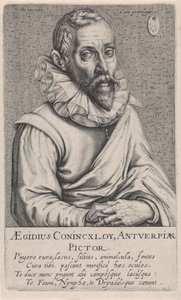
1544–1607, Belgia
Gillis Van Coninxloo
Vihreän valtakunnan mestari Gillis Van Coninxloo seisoo keskeisenä hahmona pohjoisen maisemataiteen evoluutiossa, toimien elintärkeänä siltana monimutkaisten manierististen perinteiden ja varhaisen barokin kasvavan ilmakehän syvyyden välillä. Belgiassa, Antwerpenissa syntyneen taiteilijan elämä kietoutui syvästi Alankomaiden rikkaaseen taideperintöön. Maalari-isän poikana hän uppoutui maailmaan, jossa käsityötaito ja luonnon tarkkailu olivat ensisijaisia. Varhainen koulutus mestareiden, kuten Pieter Coecke van Aelst nuoremman ja Lenaert Kroesin, johdolla antoi hänelle vankan pohjan, mutta vasta työskentely Gillis Mostaertin työpajassa antoi hänen lahjakkuudelleen todellisen mahdollisuuden kukoistaa, antaen hänen osallistua ammattimaisiin teoksiin samalla kun hän hioi ainutlaatuista visiotaan.
Tietoa kohteesta Gillis Van Coninxloo Gillis Van Coninxloon merkittävimpiä teoksia
Myös Gillis Van Coninxloo -teoksia
 Jonah Preaching to the Ninevites1583
 Woodland with Saint Jerome1583
 Landscape with the judgment of Midas1598
 Landscape with the Judgement of Paris1610
Esseitä teoksesta Forest Landscape
 French Barbizon paintersMasterpieces by Théodore Rousseau and Daubigny define the Barbizon School. Explore the full collection online at OriginalUniqueArt.com.
 Enchanted Woodlands: 10 Masterpieces That Capture the Magic of the ForestExplore iconic forest art by Shishkin, Klimt, and Van Gogh. Discover museum-quality masterpieces on OriginalUniqueArt.com.
 Mastering the Horizon: An Art Historian’s Guide to the World's Most Iconic Landscape PaintingsExplore the profound history of landscape painting with our expert guide. From Impressionist light to Chinese traditions, discover the tech…