Geometric Abstraction · 1954
Study for the (Fernand Léger, 1954)
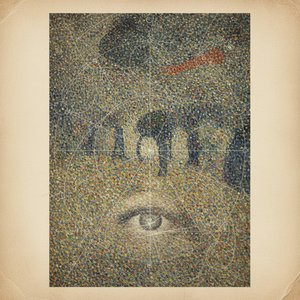
Fernand Léger (1881–1955) on luonut teoksen Study for the . Se on peräisin vuodelta 1954. Se kuuluu Geometric Abstraction-liikkeeseen. Se on valmistettu materiaalilla Acrylic On Canvas. Teos sijaitsee Museu do Caramulo -museossa paikassa Caramulo, Portugali. Koko on 38 × 44 cm.
- 1954
- Acrylic On Canvas
- 38 × 44 cm
- Museu do Caramulo

 Esikatselu

 Käsinmaalattu öljymaalaus
 Jaa teos
 Jaa
 Tiedot-arkki


 Lataa kuva
 Samanlaisia kohteita
 Röntgenkuvaus
 Diaesitys
 Kysymykset ja vastaukset

 Tilastot
Study for the lyhyesti
- Otsikko
- Study for the
- Taiteilija
- Fernand Léger (1881–1955)
- Taiteilija syntynyt
- Argentan, Ranska
- Päivämäärä
- 1954
- Tekniikka
- Acrylic On Canvas
- Mitat
- 38 × 44 cm
- Missä teos on nähtävissä
- Museu do Caramulo, Caramulo, Portugali
- Tyylisuunta
- Geometric Abstraction
- Aihe
- musical performance, geometric forms, modern landscape, instrument ensemble, urban scene, animal presence
Mitä Study for the esittää?
A Symphony of Form and Feeling: Exploring Fernand Léger’s “Study for Breakfast”
Fernand Léger's "Study for Breakfast," completed in 1954, transcends mere representation; it embodies the very spirit of Pointillism—a technique championed by Georges Seurat and embraced wholeheartedly by Léger as a means to convey dynamism and immediacy. This unassuming landscape isn’t simply depicted as it appears before our eyes; instead, Léger meticulously constructs it from countless tiny dots of pigment, creating an illusion of depth and texture that defies conventional painting methods. The resulting image pulsates with energy, mirroring the rhythms of daily life—a quiet morning scene rendered with astonishing precision. It's a masterful demonstration of how abstraction can serve as a conduit for emotion and observation simultaneously.- Style: Pointillism – Léger’s signature style prioritizes optical mixing over blending pigments on canvas, resulting in vibrant hues that shimmer and shift subtly under the light.
- Technique: Léger employed a painstaking process of applying dots of color—typically yellow, red, and blue—to build up layers of tonal variation. This method demanded immense patience and meticulous attention to detail, reflecting Léger’s unwavering commitment to his artistic vision.
Historical Context: Embracing Modernity Amidst Postwar Uncertainty
Created in the aftermath of World War II, “Study for Breakfast” speaks to a broader cultural preoccupation with rebuilding and redefining beauty after devastation. Léger’s stylistic choices—the geometric abstraction and the deliberate fragmentation of form—were deliberately antithetical to the prevailing artistic trends of his time, signaling a rejection of Impressionism's focus on fleeting sensations and an embrace of the machine age’s influence on visual perception. This bold stance positioned Léger as a pioneer of abstract expressionism, anticipating developments that would reshape the landscape of 20th-century art.Symbolic Resonance: The Quiet Power of Observation
Despite its apparent simplicity, “Study for Breakfast” is laden with symbolic significance. Léger’s use of dots—representing individual particles and conveying movement—suggests a fascination with scientific principles and an attempt to capture the underlying order of nature. The muted palette contributes to a mood of contemplative serenity, inviting viewers to contemplate the beauty found in everyday moments. It's a subtle reminder that even amidst turbulent times, art can offer solace and inspire wonder.Emotional Impact: Capturing Essence Through Precision
Ultimately, Léger’s “Study for Breakfast” succeeds in conveying an emotional resonance far exceeding its visual surface. The artist doesn’t aim to evoke sentimental feelings but rather to distill the essence of a scene—the feeling of warmth, light, and stillness—into a meticulously crafted composition. This achievement underscores Léger's profound understanding of how abstraction can communicate complex ideas and sensations with remarkable effectiveness. It remains an enduring testament to his artistic genius and a captivating example of Pointillist artistry.Missä museossa teos Study for the on?
Museu do Caramulo
Caramulo, Portugali
Teräksen ja sielun sinfonia Keski-Portugalin Serra do Caramulon vehreiden, kumpuilevien kukkuloiden syleilyssä Museu do Caramulo nousee esiin henkeäsalpaavana paradoksina – pyhättönä, jossa mekaanisen tekniikan tarkkuus kohtaa ihmisluovuuden syvän ulottuvuuden. Tämä ei ole pelkkä muistojen säilytyspaikka, vaan elävä vuoropuhelu kahden näennäisen erilaisen maailman välillä. Visionäärien Abel ja João de Lacerda veljesten perustama museo seisoo todistuksena yhteisestä intohimosta, joka kieltäytyi näkemästä rajoja moottorin jylinän ja siveltimen vedon hiljaisen sulavuuden välillä.


Study for the korkearesoluutioiset kuvat

Fernand Léger, Study for the (1954), Museu do Caramulo. Tekijänoikeudet vapaat.
Kysymyksiä teoksesta Study for the , vastaukset
Missä teosta Fernand Léger:n "Study for the" voidaan tällä hetkellä nähdä?
Alkuperäinen Fernand Léger:n "Study for the" on osa Museu do Caramulo, Caramulo, Portugali-museon kokoelmaa. Reproduktio mahdollistaa teoksen näyttämisen kotona.
Milloin "Study for the" on tehty?
Teos Fernand Léger:n "Study for the" on valmistunut vuonna 1954.
Mitä tekniikkaa Fernand Léger:n "Study for the" on käytetty?
Teoksen Fernand Léger:n "Study for the" tekniikka on Acrylic On Canvas. Vedosten tavoitteena on jäljitellä tämän tekniikan ulkoasua.
Mitkä ovat alkuperäisen Fernand Léger:n "Study for the" mitat?
Teoksen "Study for the" alkuperäiset mitat ovat 38 x 44 cm. Alkuperäiset mitat ovat hyödyllinen vertailukohta, kun valitset reproduktion kokoa.
Mitä "Study for the" esittää?
Teoksen "Study for the" aiheina ovat musical performance, geometric forms, modern landscape, instrument ensemble, urban scene, animal presence, domestic setting, pointillism technique.
Onko teos "Study for the" tekijänoikeusvapaa?
Tekijänoikeustiedot teokselle Fernand Léger:n "Study for the": teos on vapaasti käytettävissä – tekijänoikeussuoja on päättynyt. Tämä määrittää, voidaanko kuvasta tehdä vapaasti jäljennöksiä.
Kuka on teoksen "Study for the" taiteilija?
Teos "Study for the" on yhdistetty Fernand Léger.
Mihin taidesuuntaukseen Fernand Léger:n "Study for the" kuuluu?
Fernand Léger:n "Study for the" kuuluu Geometric Abstraction-suuntaukseen. Tämä tyylisuunta antaa teokselle sen tyylillisen kontekstin.
Mihin Fernand Léger'n uran vaiheeseen "Study for the" kuuluu?
"Study for the" kuuluu Fernand Léger uran Mature Period-vaiheeseen. Tämä luokittelu yhdistää teoksen taiteilijan kehitysvaiheeseen.
Tietoa taiteilijasta, Fernand Léger

1881–1955, Ranska
Fernand Léger
Fernand Légerin elämä Fernand Légerin tarina saa alkunsa Argentanin kylästä, joka sijaitsee Lower Normandian Ornen alueella. Hän saapui tähän maailmaan 4. helmikuuta 1881 ainoana poikana. Hänen varhaislapsuutensa muovautui Ranskan maaseudun hiljaisuudessa ja äitinsä, Marie-Adèle Daunoun, läsnäolossa.
Tietoa kohteesta Fernand Léger Fernand Légern merkittävimpiä teoksia
Myös Fernand Léger -teoksia
 Kaupunki1919
 Mekaanikko1920
 Kolme naista1921
 Nudet metsässä1910

Esseitä teoksesta Study for the
 Teollisuuden tunnelmaa taiteessa: 10 mestariteosta kotiisi – OriginalUniqueArt.comTutustu 10 mestariteokseen, jotka vangitsevat teollisuuden tunnelman! Impressionismista kubismiin – taidemaalausten tarinat ja inspiraatio …
 Georges Seurat: Pointillism, Perception & the Scientific Foundations of Modern ArtExplore the revolutionary art of Georges Seurat and the science behind Pointillism. Discover chromoluminarism, optical mixing, and the last…
 Mastering the Machine Age: The Top 25 Fernand Léger ArtworksImmerse yourself in the vibrant world of Fernand Léger. Explore 25 iconic masterpieces of Cubism and Tubism, from bold geometric forms to m…