Symbolism · 1911
Unity (Ferdinand Hodler, 1911)
Ferdinand Hodler (1853–1918) on luonut teoksen Unity. Se on peräisin vuodelta 1911. Se kuuluu Symbolism-liikkeeseen. Se on valmistettu materiaalilla Painting. Koko on 1 × 475 cm.
- 1911
- Painting
- 1 × 475 cm

 Esikatselu

 Käsinmaalattu öljymaalaus
 Jaa teos
 Jaa
 Tiedot-arkki


 Lataa kuva
 Samanlaisia kohteita
 Röntgenkuvaus
 Diaesitys
 Kysymykset ja vastaukset

 Tilastot
Unity lyhyesti
- Otsikko
- Unity
- Taiteilija
- Ferdinand Hodler (1853–1918)
- Taiteilija syntynyt
- Bern, Sveitsi
- Päivämäärä
- 1911
- Tekniikka
- Painting
- Mitat
- 1 × 475 cm
- Tyylisuunta
- Symbolism
- Aikakausi
- Modern
- Aihe
- symbolism, mural, unity, people, group portrait, swiss art
Mitä Unity esittää?
A Symphony of Human Connection
In the monumental mural Unity, created in 1911, Ferdinand Hodler presents a profound meditation on the collective human spirit. This expansive work, stretching across an impressive scale, transcends mere portraiture to become a rhythmic tapestry of existence. The composition is masterfully arranged in rows of figures that seem to pulse with a shared vitality; some individuals press toward the foreground with palpable presence, while others recede into the background, creating a sense of depth that draws the viewer into their communal orbit. Each figure, meticulously rendered with distinct features and emotive expressions, contributes to a larger, singular heartbeat. As eyes wander across the canvas, one notices the subtle details—the gentle grip on a bowl, the quiet posture of a cup held in hand—elements that ground this grand symbolic vision in the intimate realities of daily life.
The technique employed by Hodler is a testament to his pioneering concept of parallelism, a stylistic hallmark where repetitive forms and rhythmic arrangements create a sense of structural harmony. In Unity, this is achieved through the deliberate placement of bodies and limbs that echo one another, weaving a visual cadence that guides the viewer's gaze through the crowd. The artist’s brushwork, though detailed enough to capture the unique character of each face, serves a higher purpose: to unify the disparate individuals into a cohesive whole. This balance between individual identity and collective rhythm is what makes the mural so captivating for the modern observer, offering a visual language that speaks of both the singular soul and the strength found in togetherness.
Symbolism and the Weight of History
To understand Unity, one must look into the soul of Ferdinand Hodler himself. Born in Bern, Switzerland, his early life was marked by the profound tragedy of losing his father and two brothers, a series of losses that deeply embedded themes of mortality and the interconnectedness of life within his psyche. In this mural, the concept of unity is not merely a social ideal but a spiritual necessity. The figures do not stand in isolation; they are bound by an invisible thread of shared destiny. The painting serves as a powerful symbol of how individual lives, despite their unique struggles and varied roles, contribute to the enduring fabric of humanity. For collectors and enthusiasts, this piece offers more than aesthetic beauty; it provides a philosophical anchor, reflecting the eternal search for harmony in an often fragmented world.
For interior designers and curators of fine art, a high-quality reproduction of Unity serves as a commanding focal point that breathes life into any space. Its large-scale presence and rich, symbolic narrative make it an ideal choice for grand halls, libraries, or sophisticated living environments where conversation and contemplation are encouraged. The mural’s ability to evoke a sense of peace and structural order makes it a versatile masterpiece, capable of anchoring a room with its historical weight while providing a window into the profound beauty of human solidarity.
Unity korkearesoluutioiset kuvat

Ferdinand Hodler, Unity (1911). Tekijänoikeudet vapaat.
Kysymyksiä teoksesta Unity, vastaukset
Milloin teos Ferdinand Hodler:n "Unity" on luotu?
Ferdinand Hodler:n "Unity" on luotu vuonna 1911.
Mitä tekniikkaa teoksessa Ferdinand Hodler:n "Unity" on käytetty?
"Unity" on toteutettu tekniikalla Painting.
Mitkä ovat alkuperäisen Ferdinand Hodler:n "Unity" mitat?
Alkuperäisen teoksen Ferdinand Hodler:n "Unity" mitat ovat 475 x 1 cm.
Mitä "Unity" esittää?
Ferdinand Hodler:n "Unity" esittää: symbolism, mural, unity, people, group portrait, swiss art.
Onko Ferdinand Hodler:n "Unity" vapaasti käytettävissä oleva teos?
Ferdinand Hodler:n "Unity" on vapaasti käytettävissä – tekijänoikeussuoja on päättynyt. Tämä tila määrittää, miten teoksen kuvaa saa käyttää uudelleen.
Kuka on luonut teoksen "Unity"?
Teos "Unity" on yhdistetty Ferdinand Hodler.
Mihin taidesuuntaukseen Ferdinand Hodler:n "Unity" kuuluu?
Ferdinand Hodler:n "Unity" kuuluu Symbolism-suuntaukseen. Tämä tyylisuunta antaa teokselle sen tyylillisen kontekstin.
Mihin kohtaan Ferdinand Hodler uraa teos "Unity" sijoittuu?
Ferdinand Hodler'n uralla teos "Unity" sijoittuu aikakaudelle Mature Period. Tämä vaihe auttaa vertaamaan sitä taiteilijan muihin teoksiin.
Kuinka vanha Ferdinand Hodler oli luodessaan "Unity" vuonna 1911?
Kun "Unity" luotiin vuonna 1911, Ferdinand Hodler (syntynyt 1853) oli 58 vuotias.
Tietoa taiteilijasta, Ferdinand Hodler
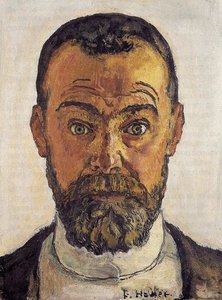
1853–1918, Sveitsi
Ferdinand Hodler
Kuolevaisuuden arkkitehtuuri Ferdinand Hodler syntyi Bernissä, Sveitsissä vuonna 1853, ja hänen varhaisia vuosia leimasi hiljainen, jatkuva suru. Ennen murrosikäänsä tuberkuloosi, joka vei hänen isänsä ja kaksi nuorempaa veljeään, jätti tyhjyyden hänen kotiinsa. Tämä varhainen kohtaaminen menetyksen kanssa muuttui toistuvaksi motiiviksi hänen teoksissaan – varjoksi, joka seurasi häntä oppisopimuksen vaatimattomista aluista aina ammatillisen uran huipentumiin saakka. Hän aloitti koulutuksensa koristemaalarina auttaen isoisoisänsä kaupallisessa kylttien maalaustyössä; tämä käytännönläheinen koulutus antoi hänelle tarkan hallinnan viivaan ja muotoon.
Tietoa kohteesta Ferdinand Hodler Ferdinand Hodlern merkittävimpiä teoksia
Myös Ferdinand Hodler -teoksia
 Eiger, Monch and Jungfrau in Moonlight1908
 Woman in Ecstasy1911
 Sunset on Lake Geneva1915
 Study of two figures1897

Esseitä teoksesta Unity
 Beyond the Void: Powerful Artworks That Capture the Raw Emotion of GriefExplore the profound power of art in capturing grief. From Expressionist masterpieces to custom hand-painted memorials, discover how iconic…
 Mastering Realism: The Top 25 Iconic Artworks by Hans Holbein the YoungerStep into the Northern Renaissance with our curated guide to the top 25 Hans Holbein the Younger masterpieces. Explore breathtaking realism…
 Mastering Parallelism: The 25 Most Iconic Artworks by Ferdinand HodlerImmerse yourself in the rhythmic beauty of Ferdinand Hodler. Explore 25 iconic masterpieces of Swiss Symbolism and Parallelism. From evocat…