Rococo · 1764
Soap Bubbles (Charles Amédée Philippe Van Loo, 1764)
Charles Amédée Philippe Van Loo (1719–1795) on luonut teoksen Soap Bubbles. Se on peräisin vuodelta 1764. Se kuuluu Rococo-liikkeeseen. Se on valmistettu materiaalilla Oil On Canvas. Teos sijaitsee National Gallery of Art -museossa paikassa Washington, USA. Koko on 89 × 89 cm.
- 1764
- Oil On Canvas
- 89 × 89 cm
- National Gallery of Art, Washington

 Esikatselu

 Käsinmaalattu öljymaalaus
 Jaa teos
 Jaa
 Tiedot-arkki


 Lataa kuva
 Samanlaisia kohteita
 Röntgenkuvaus
 Diaesitys
 Kysymykset ja vastaukset

 Tilastot
Soap Bubbles lyhyesti
- Otsikko
- Soap Bubbles
- Taiteilija
- Charles Amédée Philippe Van Loo (1719–1795)
- Taiteilija syntynyt
- Aix-en-Provence, Ranska
- Päivämäärä
- 1764
- Tekniikka
- Oil On Canvas
- Mitat
- 89 × 89 cm
- Missä teos on nähtävissä
- National Gallery of Art, Washington, USA
- Tyylisuunta
- Rococo
- Aikakausi
- Early Modern
- Aihe
- children, soap bubbles, chair, mirror, portrait
Mitä Soap Bubbles esittää?
A Moment Suspended in Time
In the delicate dance of light and air captured within Charles Amédée Philippe Van Loo’s Soap Bubbles, we find ourselves transported to the heart of the 18th-century Rococo era. This exquisite oil on canvas, painted in 1764, is far more than a mere depiction of childhood play; it is a masterclass in capturing the ephemeral. The scene centers on three children, their faces alight with the pure, unadulterated joy of a fleeting moment. As they blow iridescent spheres into the atmosphere, the bubbles catch the light, shimmering with a spectrum of colors that seem to defy the stillness of the frame. Van Loo employs a breathtaking trompe-l'oeil technique, presenting the children through what appears to be an oval window, creating an intimate sense of peering into a private, enchanted world.
The composition is balanced with a sophisticated grace characteristic of the French school. To the left, a solitary chair anchors the scene, while a mirror in the background provides a subtle depth, reflecting the room and expanding the viewer's perception of space. This clever use of reflection not only adds dimension but also invites us to contemplate the layers of reality presented within the painting. The soft, luminous textures of the children's clothing and the translucent quality of the bubbles demonstrate Van Loo’s extraordinary command over oil pigments, allowing him to manipulate light to create a sense of tactile softness and ethereal brilliance.
The Poignant Symbolism of the Vanitas
Beyond its surface beauty, Soap Bubbles carries a profound philosophical weight. To the discerning eye, the bubbles serve as a classic Vanitas motif—a symbolic reminder of the transience of life and the impermanence of earthly pleasures. Just as a soap bubble is beautiful yet destined to burst in an instant, so too are the moments of youth and human existence. This layer of melancholy hidden beneath the playful exterior provides a captivating tension that elevates the work from a charming genre painting to a deep meditation on mortality. It is this duality—the celebration of life alongside the recognition of its fragility—that gives the piece such enduring emotional resonance.
For collectors and decorators alike, this painting offers a unique opportunity to introduce a narrative of depth into a living space. The artwork’s historical prestige, having once graced the collections of the Prussian imperial family, brings an air of aristocratic elegance to any interior. Whether placed in a sun-drenched morning room or a sophisticated study, a high-quality reproduction of this masterpiece serves as a conversation piece that invites contemplation. It is a work that does not merely decorate a wall; it breathes life, history, and a touch of poetic nostalgia into the very soul of a home.
Missä museossa teos Soap Bubbles on?
National Gallery of Art
Washington, USA
National Gallery of Art:n alkuperä ja historia National Gallery of Art perustettiin yksityisellä toiminnalla vuonna 1937 Amerikan kansalle. Sen perustaminen seurasi Yhdysvaltain kongressin yhteistä päätöslauselmaa. Instituution oli hionut ajatukseensa Andrew W.


Soap Bubbles korkearesoluutioiset kuvat

Charles Amédée Philippe Van Loo, Soap Bubbles (1764), National Gallery of Art. Tekijänoikeudet vapaat.
Kysymyksiä teoksesta Soap Bubbles, vastaukset
Missä museossa alkuperäinen "Soap Bubbles" on esillä?
Teos Charles Amédée Philippe Van Loo:n "Soap Bubbles" on esillä National Gallery of Art, Washington, USA-museossa. Museoluettelo viittaa alkuperäisteokseen, ei jäljennöksiin.
Milloin teos Charles Amédée Philippe Van Loo:n "Soap Bubbles" on luotu?
"Soap Bubbles" on peräisin vuodelta 1764. Teoksen valmistumisajankohta sijoittaa sen Charles Amédée Philippe Van Loo uran ja aikakauden kontekstiin.
Mitä tekniikkaa teoksessa Charles Amédée Philippe Van Loo:n "Soap Bubbles" on käytetty?
Teoksen Charles Amédée Philippe Van Loo:n "Soap Bubbles" tekniikka on Oil On Canvas. Vedosten tavoitteena on jäljitellä tämän tekniikan ulkoasua.
Mitkä ovat alkuperäisen "Soap Bubbles" mitat?
Teoksen Charles Amédée Philippe Van Loo:n "Soap Bubbles" mitat ovat 89 x 89 cm. Vedoksia voi tilata muissa koossa säilyttäen samat mittasuhteet.
Mitä "Soap Bubbles" esittää?
Charles Amédée Philippe Van Loo:n "Soap Bubbles" esittää: children, soap bubbles, chair, mirror, portrait.
Onko teos "Soap Bubbles" tekijänoikeusvapaa?
Charles Amédée Philippe Van Loo:n "Soap Bubbles" on vapaasti käytettävissä – tekijänoikeussuoja on päättynyt. Tämä tila määrittää, miten teoksen kuvaa saa käyttää uudelleen.
Kuka on teoksen "Soap Bubbles" taiteilija?
Teos "Soap Bubbles" on yhdistetty Charles Amédée Philippe Van Loo.
Mihin tyylisuuntaan "Soap Bubbles" kuuluu?
Charles Amédée Philippe Van Loo:n "Soap Bubbles" kuuluu Rococo-suuntaukseen. Tämä tyylisuunta antaa teokselle sen tyylillisen kontekstin.
Mihin kohtaan Charles Amédée Philippe Van Loo uraa teos "Soap Bubbles" sijoittuu?
Charles Amédée Philippe Van Loo'n uralla teos "Soap Bubbles" sijoittuu aikakaudelle Mature Period. Tämä vaihe auttaa vertaamaan sitä taiteilijan muihin teoksiin.
Tietoa taiteilijasta, Charles Amédée Philippe Van Loo

1719–1795, Ranska
Charles Amédée Philippe Van Loo
Charles Amédée Philippe Van Loo: Rokokon eleganssin ja dramaattisen kerronnan mestari 1700-luvun ranskalainen taide yhdistetään usein loistokkaaseen grandioosisuuteen, monimutkaiseen yksityiskohtaisuuteen ja syvään teatraalisuuden tunteeseen. Tämän eloisan taideskenen sydämessä seisoi Charles Amédée Philippe Van Loo (1719–1795), taiteilija, jonka ura kesti vuosikymmeniä ja kattoi hämmästyttävän laajan aihealueen – mytologisista hahmoista täyttyvistä allegorisista kohtauksista aina aristokraattisten tilaajien olemuksen vanginneisiin, hämmästyttävän realistisiin muotokuviin. Van Loo ei ollut pelkkä taitava käsityöläinen, vaan mestarillinen tarinankertoja, joka kutoi valtaan, hyveeseen ja inhimilliseen draamaan liittyviä kertomuksia jokaiseen kankaaseen, johon hän koski. Aix-en-Provençessa syntynyt Van Loon taiteellinen matka alkoi hänen isänsä, arvostetun taidemaalari Jean-Baptiste van Loon, opetuksessa Torinossa ja Roomassa.
Tietoa kohteesta Charles Amédée Philippe Van Loo Charles Amédée Philippe Van Loon merkittävimpiä teoksia
Myös Charles Amédée Philippe Van Loo -teoksia
 Presumed Portrait of Livio Vernet (1747 - after 1827) lawyer, son of Joseph Vernet1750
 Amor is disarmed by Diana1750
 Erigone, also called Autumn1750
 The Satyrs1761

Esseitä teoksesta Soap Bubbles
 25 Must-See Masterpieces at the Kröller-Müller Museum: A Van Gogh PilgrimageExplore 25 iconic Van Gogh and modern masterpieces at Kröller-Müller Museum. Discover the full collection online at OriginalUniqueArt.com.
 Charles-André van Loo: A Study in Rococo Portraiture & the French Court's Artistic DynamicsExplore the elegant world of Charles-André van Loo, a master of Rococo portraiture at the French court. Discover his life, techniques, and …
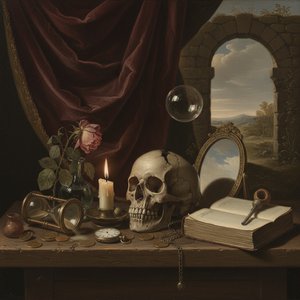 The Memento Mori Aesthetic: Decoding the Profound Symbolism of Vanitas ArtExplore the profound symbolism of Vanitas art. From Dutch Golden Age masterpieces to the haunting beauty of Memento Mori, uncover how class…