Basque pilgrimage (Aurelio Arteta)
Aurelio Arteta (1879–1940) on luonut teoksen Basque pilgrimage. Se on valmistettu materiaalilla Oil.
- Oil

 Esikatselu

 Käsinmaalattu öljymaalaus
 Jaa teos
 Jaa
 Teostiedot


 Lataa kuva
 Samanlaisia kohteita
 Röntgenkuvaus
 Diaesitys
 Kysymykset ja vastaukset

 Tilastot
Basque pilgrimage lyhyesti
- Teoksen nimi
- Basque pilgrimage
- Taiteilija
- Aurelio Arteta (1879–1940)
- Taiteilijan syntymäpaikka
- Bilbao, Espanja
- Tekniikka
- Oil
- Aikakausi
- Modern
- Aihe
- people
Mitä Basque pilgrimage esittää?
A Celebration of Basque Spirit
In the evocative masterpiece Basque Pilgrimage, the legendary Spanish painter Aurelio Arteta invites us into a moment of profound communal joy. The canvas unfolds as a vibrant tapestry of human connection, capturing a large gathering of people nestled within a lush, verdant field. As one gazes upon the scene, there is an immediate sense of movement and life; figures are scattered across the landscape, some seated peacefully upon the grass while others engage in the rhythmic grace of dance. The atmosphere is thick with the spirit of festivity, punctuated by the delicate glint of wine glasses held aloft and the casual presence of bottles and bowls that suggest a shared feast. It is not merely a depiction of a social event, but a soulful tribute to the enduring strength of community traditions.
Arteta, a master of blending the structural clarity of Cubism with the emotive depth of Social Realism, employs a technique that breathes life into every subject. The composition is meticulously balanced, guiding the eye through the undulating crowd and across the scattered elements of the picnic. His brushwork, while grounded in a certain monumental solidity characteristic of his style, manages to capture the ephemeral lightness of a summer afternoon. The interplay of light and shadow across the various textures—from the soft blades of grass to the diverse fabrics of the attendees' clothing—creates a sense of three-dimensional presence that makes the scene feel almost tangible to the viewer.
Symbolism and Cultural Resonance
Beyond its surface beauty, Basque Pilgrimage serves as a poignant window into the cultural identity of the Basque region. During an era marked by significant socio-political shifts in Spain, Arteta turned his gaze toward the foundational rhythms of rural life. The pilgrimage itself acts as a powerful symbol of shared faith, heritage, and the cyclical nature of tradition. Each figure in the painting represents a thread in the larger social fabric, contributing to a collective narrative of resilience and togetherness. The presence of food and drink is not merely incidental; it symbolizes the bounty of the land and the ritualistic importance of breaking bread as a community.
For the discerning collector or interior designer, this artwork offers much more than aesthetic appeal. It provides an emotional anchor for a space, bringing a sense of warmth, stability, and historical depth. The painting’s ability to evoke nostalgia while celebrating the vitality of life makes it a timeless addition to any curated collection. Whether placed in a grand salon or a quiet study, a high-quality reproduction of this work serves as a conversation piece that honors the artistry of the early 20th-century Spanish Modernist movement and the unbreakable bonds of human fellowship.
Basque pilgrimage korkearesoluutioiset kuvat

Tekijänoikeudet: teos on vapaasti käytettävissä, taiteilija kuoli vuonna 1940.
Muut koot, rajaukset ja viittaukset →Aurelio Arteta, Basque pilgrimage. Tekijänoikeudet vapaat.
Kysymyksiä teoksesta Basque pilgrimage ja vastauksia niihin
Mitä tekniikkaa Aurelio Arteta:n "Basque pilgrimage" on käytetty?
Teoksen Aurelio Arteta:n "Basque pilgrimage" tekniikka on Oil. Vedosten tavoitteena on jäljitellä tämän tekniikan ulkoasua.
Mitä Aurelio Arteta:n "Basque pilgrimage" esittää?
Teoksen "Basque pilgrimage" aiheina ovat people.
Onko teos "Basque pilgrimage" tekijänoikeusvapaa?
Tekijänoikeustiedot teokselle Aurelio Arteta:n "Basque pilgrimage": teos on vapaasti käytettävissä – tekijänoikeussuoja on päättynyt. Tämä määrittää, voidaanko kuvasta tehdä vapaasti jäljennöksiä.
Kuka on teoksen "Basque pilgrimage" taiteilija?
Teoksen "Basque pilgrimage" taiteilija on Aurelio Arteta. Teos on luetteloitu Aurelio Arteta nimellä.
Miksi teoksen "Basque pilgrimage" tekijänoikeustila on sellainen kuin se on?
Aurelio Artetan teos "Basque pilgrimage" on vapaasti käytettävissä – tekijänoikeussuoja on päättynyt. Tekijänoikeusajat lasketaan taiteilijan kuolinvuodesta, ja Aurelio Arteta kuoli vuonna 1940.
Tietoa taiteilijasta, Aurelio Arteta

1879–1940, Espanja
Aurelio Arteta
Varhaiset Vuodet ja Taiteellinen Pohja Aurelio Arteta Errasti, syntynyt vilkkaassa satamakaupungissa Bilbaossa Espanjassa vuonna 1879, nousi keskeiseksi hahmoksi varhaisen 1900-luvun espanjalaisessa modernismissa. Hänen taiteellinen matkansa oli syvästi kietoutunut aikansa sosio-poliittisiin virtauksiin ja Euroopan eloisaan kulttuurimaisemaan. Vaikka hänellä oli juuret Baskimaan perinteissä, Artetan polku vei hänet pitkälle alueellisista rajoista muokaten ainutlaatuista tyyliä, joka yhdisti symbolismin, kubismin ja sosiaalisen realismin elementtejä. Hänen varhaiset vuotensa leimattiin liikkuvuudella; perheen muutto Valladolidiin vuonna 1894 hänen isänsä työn vuoksi istutti sopeutumiskyvyn ja havainnointikyvyn tunteen.
Tietoa taiteilijasta Aurelio Arteta Aurelio Artetan merkittävimmät teokset
Myös Aurelio Arteta -teoksia
 Diálogo en el campo de sport
 Pescadores - La Galerna
 La mina
 To the pilgrimage

Esseitä teoksesta Basque pilgrimage
 25 Masterpieces by Rogier van der Weyden: The Pinnacle of Emotional ArtImmerse yourself in the profound emotion of Rogier van der Weyden’s greatest works. From Northern Renaissance mastery to exquisite textures…
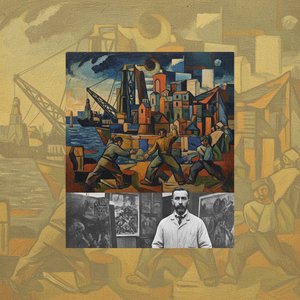 Aurelio Arteta: Navigating Modernity Through Color & Form – A Comprehensive ExplorationExplore the captivating world of Aurelio Arteta, a pivotal Spanish Modernist painter. Discover his unique blend of Symbolism, Cubism & Soci…
 Akseli Gallen-Kallela: Shaping Finnish Identity Through National Romanticism & SymbolismExplore the captivating world of Akseli Gallen-Kallela, Finland's iconic National Romantic painter. Discover his symbolic landscapes, Kalev…