Expressionism · 1914
Tightrope walker (August Macke, 1914)
August Macke (1887–1914) on luonut teoksen Tightrope walker. Se on peräisin vuodelta 1914. Se kuuluu Expressionism-liikkeeseen. Se on valmistettu materiaalilla Acrylic On Canvas. Teos sijaitsee Kunstmuseum Bonn -museossa paikassa Bonn, Saksa. Koko on 82 × 60 cm.
- 1914
- Acrylic On Canvas
- 82 × 60 cm
- Kunstmuseum Bonn

 Esikatselu

 Käsinmaalattu öljymaalaus
 Jaa teos
 Jaa
 Tiedot-arkki


 Lataa kuva
 Samanlaisia kohteita
 Röntgenkuvaus
 Diaesitys
 Kysymykset ja vastaukset

 Tilastot
Tightrope walker lyhyesti
- Otsikko
- Tightrope walker
- Taiteilija
- August Macke (1887–1914)
- Taiteilija syntynyt
- Meschede, Saksa
- Päivämäärä
- 1914
- Tekniikka
- Acrylic On Canvas
- Mitat
- 82 × 60 cm
- Missä teos on nähtävissä
- Kunstmuseum Bonn, Bonn, Saksa
- Tyylisuunta
- Expressionism
- Aihe
- circus, performance, tightrope, color, harmony, landscape
Mitä Tightrope walker esittää?
August Macke: A Symphony of Color Amidst Modern Anxiety
August Robert Ludwig Macke (1887-1914), a name etched in the annals of German Expressionism, embodies the poignant beauty born from fleeting moments and shadowed realities. His tragically premature demise during World War I robbed the art world of a prodigious talent—one who relentlessly pursued new artistic horizons while simultaneously grappling with profound existential questions. Macke’s journey began in Meschede, Westphalia, where he absorbed the influences of Impressionism and Post-Impressionism before decisively embracing Fauvist color palettes and Orphic abstraction, cementing his place as a pivotal figure within Der Blaue Reiter—a revolutionary artistic collective dedicated to exploring psychological landscapes and challenging conventional aesthetic norms.- Subject Matter: Macke’s canvases frequently depict scenes of rural life – farmers tending their fields, children playing outdoors – yet these seemingly idyllic subjects are imbued with an underlying tension reflecting the anxieties of a rapidly changing era. The tightrope walker embodies this duality; he performs his task with grace and precision against a backdrop of towering buildings, symbolizing humanity's precarious balance between tradition and progress.
- Style: Macke’s distinctive style is characterized by bold simplification and flattened perspective—techniques borrowed from Fauvist painters like Matisse. He eschewed meticulous detail in favor of expressive brushstrokes that prioritize color and tonal harmony, creating images brimming with vitality and emotional resonance.
Technique: Bold Color & Textured Surfaces
Macke’s masterful manipulation of pigment is central to his artistic vision. Utilizing thick impasto—a technique involving applying paint in textured layers—he achieved remarkable depth and luminosity, capturing the physicality of the subject matter with palpable immediacy. His color choices are deliberately vibrant and unrestrained, eschewing naturalistic hues for emotionally charged shades that convey mood and atmosphere. The use of complementary colors – blues against reds, yellows against greens – intensifies visual impact and contributes to the overall dynamism of his compositions.- Color Palette: Macke’s palette leans heavily into warm tones—ochres, reds, yellows—contrasting sharply with cooler blues and greens. This deliberate juxtaposition underscores the tension between stability and disruption inherent in the depicted environment.
- Brushwork: Macke's brushstrokes are loose and energetic, conveying movement and spontaneity. He employed a technique known as “Alla Prima,” applying paint directly onto the canvas without underpainting—a bold decision that maximized textural richness and expressive potential.
Historical Context & Symbolism: Facing Uncertainty
Macke’s artistic output coincided with the turbulent years leading up to World War I, a period marked by social unrest and intellectual ferment. The Expressionist movement sought to articulate the psychological realities of the time—the anxieties surrounding impending conflict, the disillusionment following Nietzschean philosophy—and Macke's work reflects this preoccupation. The tightrope walker itself serves as a potent symbol: representing precariousness, balance, and the constant struggle for survival amidst overwhelming forces. It speaks to the human condition – vulnerable yet striving for mastery – mirroring the broader anxieties of a society grappling with profound transformations.Emotional Impact & Legacy
“Tightrope walker” transcends mere visual representation; it resonates deeply with viewers through its evocative color palette and expressive brushwork. Macke’s ability to convey emotion—a palpable sense of tension mingled with beauty—solidifies his position as one of the most influential artists of his generation. His legacy continues to inspire contemporary painters and designers who appreciate the power of bold color and textural innovation, reminding us that art can illuminate not only what we see but also what we feel – a testament to Macke’s enduring artistic brilliance.Missä museossa teos Tightrope walker on?
Kunstmuseum Bonn
Bonn, Saksa
Ilmaisun pyhättö: Kunstmuseum Bonnin sielu Bonnissa, historiallisen sydämen syleilyssä kaupungissa, jossa Beethovenin sävellysten kaiut tuntuvat yhä ilmassa, sijaitsee Kunstmuseum Bonn —syvällinen turvasatama niille, jotka etsivät modernismin raakaa ja emotionaalista voimaa. Tähän instituuttiin astuminen on kuin aloittaisi matkan kahdennen vuosisadan myrskyisen mutta kauniin psyyken läpi. Museo syntyi tarpeesta jälleenrakentaa eivät ainoastaan muureja, vaan koko kulttuurinen identiteetti sodanjälkeisen jälleenrakennuksen murrosaikana, ja siitä on sittemmin kehittynyt maailmanlaajuiseksi majakaksi reunilaiselle ekspressionismille .

Tightrope walker korkearesoluutioiset kuvat

August Macke, Tightrope walker (1914), Kunstmuseum Bonn. Tekijänoikeudet vapaat.
Kysymyksiä teoksesta Tightrope walker, vastaukset
Missä teosta August Macke:n "Tightrope walker" voidaan tällä hetkellä nähdä?
Teos August Macke:n "Tightrope walker" on esillä Kunstmuseum Bonn, Bonn, Saksa-museossa. Museoluettelo viittaa alkuperäisteokseen, ei jäljennöksiin.
Milloin "Tightrope walker" on tehty?
August Macke:n "Tightrope walker" on luotu vuonna 1914.
Mitä tekniikkaa August Macke:n "Tightrope walker" on käytetty?
Teoksen August Macke:n "Tightrope walker" tekniikka on Acrylic On Canvas. Vedosten tavoitteena on jäljitellä tämän tekniikan ulkoasua.
Mikä on August Macke:n "Tightrope walker" todellinen koko?
Alkuperäisen teoksen August Macke:n "Tightrope walker" mitat ovat 82 x 60 cm.
Mitä aiheita teoksessa August Macke:n "Tightrope walker" esiintyy?
Teoksen "Tightrope walker" aiheina ovat circus, performance, tightrope, color, harmony, landscape, people.
Onko teoksen August Macke:n "Tightrope walker" kuva vapaasti käytettävissä?
Tekijänoikeuksien osalta teos "Tightrope walker" on vapaasti käytettävissä – tekijänoikeussuoja on päättynyt.
Kuka on teoksen "Tightrope walker" taiteilija?
Teos "Tightrope walker" on yhdistetty August Macke.
Mihin taidesuuntaukseen August Macke:n "Tightrope walker" kuuluu?
Teoksen August Macke:n "Tightrope walker" tyylisuunta on Expressionism. Tämä luokittelu sijoittaa teoksen muiden samankaltaisten taiteilijoiden ja teosten joukkoon.
Mihin August Macke'n uran vaiheeseen "Tightrope walker" kuuluu?
August Macke'n uralla teos "Tightrope walker" sijoittuu aikakaudelle Mature Period. Tämä vaihe auttaa vertaamaan sitä taiteilijan muihin teoksiin.
Tietoa taiteilijasta, August Macke
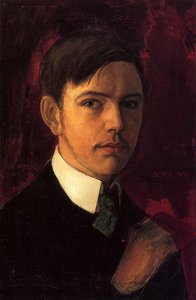
1887–1914, Saksa
August Macke
Varhaisluonnon vuodet, perhe ja taiteellinen kasvu August Macken tarina saa alkunsa Saksan Mescheden kaupungissa, jossa hän syntyi 3. tammikuuta 1887. Hän oli rakennusurakoitsija ja amatööritaiteilija August Friedrich Hermann Macken sekä Maria Florentinen ainoa poika. Hänen lapsuuttaan leimasivat isän yrityksen vaihtelevat kohtalot, jotka veivät perheen ensin Kölniin ja myöhemmin Bonniin.
Tietoa kohteesta August Macke August Macken merkittävimpiä teoksia
Myös August Macke -teoksia
 Nainen vihreässä takissa1913
 Nainen hattujen kanssa1913
 Hat shop1913
 Portrait of the Artist's Wife with Hat1909
Esseitä teoksesta Tightrope walker
 The Magic of Impasto: Capturing Light and Tactile Depth in Impressionist MasterpiecesDiscover the breathtaking beauty of impasto. Explore how Impressionist masters used thick, textured brushstrokes to capture light and emoti…
 Fauvism vs German Expressionism: Distinguishing Color and EmotionMaster the differences between Fauvism and German Expressionism through expert analysis. Learn to decode the emotion behind the color today.
 August Macke: Expressionist Visions of Harmony & Modern LifeExplore the vibrant Expressionist paintings of August Macke (1887-1914). Discover his key role in Der Blaue Reiter, Fauvist influences, and…