Vaihda tulosteeseen
 Lue lisää







































 Teoksille tai reproduktioille, joiden mikä tahansa sivu on suurempi kuin 105 cm (noin 41 tuumaa), kehys toimitetaan osina purettuna sarjana. Tämä menetelmä varmistaa turvallisen toimituksen ja ehkäisee vaurioita kuljetuksen aikana.


Jean-Antoine Watteau’s “Gilles”: A Delicate Dance Between Reality and Illusion
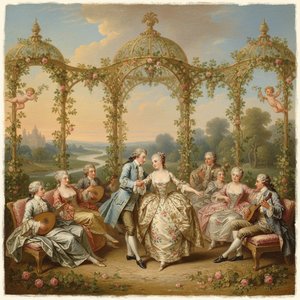
Jean-Antoine Watteau’s “Gilles” (1719) stands as an emblem of French Rococo artistry, capturing a fleeting moment of theatrical grandeur against the backdrop of a subtly rendered landscape. More than just a portrait, it embodies Watteau's revolutionary vision for painting—a departure from the weighty solemnity of the Baroque towards an atmosphere of playful romance and wistful contemplation. Measuring 185 x 150 cm, the canvas invites viewers into a world where observation intertwines with imagination, mirroring the aristocratic tastes of Louis XIV’s era.- The Genre of Fêtes Galantes: Watteau irrevocably altered French artistic conventions by establishing the *fête galante*, a genre dedicated to depicting elegant outdoor gatherings infused with an irresistible charm. Unlike earlier works prioritizing dramatic narrative, “Gilles” prioritizes mood and atmosphere—a deliberate choice reflecting Watteau’s fascination with capturing ephemeral beauty.
- A Stage Set for Emotion: The painting's theatrical subject matter is paramount. Watteau skillfully blends reality and artifice, presenting a scene that feels both observed and dreamed up. This masterful technique underscores the artist’s ambition to evoke profound emotional responses in his audience—a hallmark of Rococo aesthetics.
- Technical Brilliance: Executed with Watteau's signature loose brushwork and a palette dominated by pastel hues, “Gilles” showcases exceptional technical prowess. Oil paints on canvas create a luminous surface characterized by soft transitions and subtle gradations of tone. Notice the meticulous rendering of Pierrot’s costume—the flowing fabric appears almost weightless, conveying vulnerability and elegance.
- Symbolism Beyond Appearance: The inclusion of the donkey – traditionally symbolizing humility or stubbornness – adds another layer of interpretation to the scene. Furthermore, Watteau's gaze is directed at the viewer, inviting contemplation on themes of identity and connection—a subtle gesture that elevates “Gilles” beyond mere visual representation.
The Artist’s Vision: Breaking Free From Baroque Constraints
Watteau’s artistic breakthrough occurred precisely because he rejected the rigid formalism of the Baroque, embracing a more naturalistic style imbued with emotional resonance. Influenced by Flemish masters like Rubens and Caravaggio—artists who prioritized dramatic impact—Watteau sought to capture not just what was seen but how it *felt*. This stylistic shift signaled a profound transformation in French art history, paving the way for subsequent generations of painters to explore new expressive possibilities.Bringing Rococo Elegance into Your Home
“Gilles” transcends its artistic merits as a painting; it embodies an entire aesthetic sensibility—one rooted in refinement and delight. A high-quality reproduction from OriginalUniqueArt.com allows you to infuse your interior space with this timeless masterpiece, complementing diverse design styles. Its delicate color palette and graceful composition create a serene focal point, sparking conversation and admiration for years to come. Consider displaying it alongside complementary artworks—perhaps another pastel landscape or portrait—to amplify its visual impact and evoke the spirit of Watteau’s era.A Window Into Eighteenth-Century France
“Gilles” offers an unparalleled glimpse into the intellectual and cultural milieu of Louis XIV's court—a period characterized by opulent celebrations, aristocratic patronage, and a fervent appreciation for beauty. By commissioning artists like Watteau to depict idealized scenes of leisure and romance, monarchs sought to solidify their power while simultaneously cultivating artistic excellence. Owning a reproduction of “Gilles” is more than simply acquiring an artwork; it’s embracing a legacy of artistic innovation and cultural grandeur.Kysymykset ja vastaukset
Miten "Gilles" tasapainottaa valon ja varjon?
"Gilles" on kokonaisuutena tasapainoinen, ja sen luminanssi on Pehmeä valoisuus.
Onko "Gilles" tyypillinen esimerkki siitä, mitä Jean-Antoine Watteau yleensä loi?
Jean-Antoine Watteau:n tunnettujen teemojen – baroque legacy, aristocratic taste, romantic sentiment, theater & performance, genre painting innovation – joukossa "Gilles" tuo oman painopisteensä aiheeseen french painting, commedia dell'arte, theater, landscape, elegant costume, melancholy, pierrot.
Onko Jean-Antoine Watteau:n "Gilles" pysty-, vaaka- vai neliökompositio?
Jean-Antoine Watteau:n "Gilles" on Pystyasento-muotoinen sommitelma. Suhteet kannattaa tarkistaa ennen tulostekoon valitsemista.
 Esikatselu
 Jaa teos
 Jaa
Jaa
 Tiedot
 Opas
Opas

 Lataa kuva
 Samanlaisia kohteita
 Röntgenkuvaus
 Diaesitys
 Q&A
Q&A Tilastot
 Top100