Baroque Art · 1604
Triptych (Annibale Carracci, 1604)
Annibale Carracci (1560–1609) on luonut teoksen Triptych. Se on peräisin vuodelta 1604. Se kuuluu Baroque Art-liikkeeseen. Teos sijaitsee Galleria Nazionale d'Arte Antica -museossa paikassa Rooma, Italia. Mitat ovat 37 × 24 cm.
- 1604
- 37 × 24 cm
- Galleria Nazionale d'Arte Antica, Rooma

 Esikatselu

 Käsinmaalattu öljymaalaus
 Jaa teos
 Jaa
 Teostiedot


 Lataa kuva
 Samanlaisia kohteita
 Röntgenkuvaus
 Diaesitys
 Kysymykset ja vastaukset

 Tilastot
Triptych lyhyesti
- Teoksen nimi
- Triptych
- Taiteilija
- Annibale Carracci (1560–1609)
- Taiteilijan syntymäpaikka
- Bologna, Italia
- Päivämäärä
- 1604
- Mitat
- 37 × 24 cm
- Missä teos on nähtävissä
- Galleria Nazionale d'Arte Antica, Rooma, Italia
- Taidesuuntaus
- Baroque Art
- Aihe
- triptych, annibale carracci, baroque, angels, allegory, copper
Mitä Triptych esittää?
Annibale Carracci’s Triptych: A Baroque Masterpiece of Light, Faith, and Divine Order
Annibale Carracci's 1604 Triptych, currently housed within the Galleria Nazionale d'Arte Antica in Rome, stands as a pivotal example of the burgeoning Baroque style. More than simply a religious depiction, it’s a carefully orchestrated symphony of light, color, and symbolism—a testament to the artist’s mastery of composition and his deep understanding of both classical ideals and emerging emotional expression. This oil-on-copper painting, measuring 37 x 24 cm, invites viewers into a world where earthly beauty intertwines with divine grace, offering a profound meditation on faith, knowledge, and the very nature of existence.
Composition and Symbolism: A Dance of Allegory and Divine Presence
The triptych format itself is deeply rooted in religious tradition, allowing for a layered narrative to unfold. The central panel immediately draws the eye to an angelic figure, radiating serenity and holding aloft a book—a potent symbol of both Holy Scripture and the pursuit of divine knowledge. Surrounding this central emblem are cherubs, their youthful innocence adding a touch of ethereal joy to the scene. The left and right panels introduce allegorical figures engaged in distinct activities: one grasping a scroll or document, representing wisdom and law, while the other holds an object suggestive of power and authority. These flanking scenes aren’t merely decorative; they serve as crucial contextual elements, enriching the central theme with layers of meaning and inviting contemplation on the foundations of faith and governance.
Technique and Artistic Innovation: A Synthesis of Renaissance and Baroque
Carracci's skill is evident in every meticulously rendered detail. The use of light and shadow—a hallmark of Baroque art—is particularly striking, creating a dynamic sense of movement and emotion within the painted space. Notice how the light seems to emanate from an unseen source, illuminating the figures with a radiant glow while simultaneously casting deep shadows that heighten their three-dimensionality. The artist’s mastery extends beyond mere technique; he seamlessly blends elements of Florentine linear draftsmanship—inherited from his artistic lineage—with Venetian color and atmospheric effects, creating a unique style that revitalized Italian painting. The copper panel itself contributes to the work's luminosity, reflecting light in subtle ways that enhance its visual impact. The intricate details – the folds of the garments, the texture of hair, the play of light on skin – demonstrate an extraordinary level of observation and artistic control.
Historical Context and Artistic Legacy: A Bridge Between Eras
Annibale Carracci emerged from a vibrant artistic community in Bologna during the late 16th century, a period marked by a desire to move beyond the constraints of Mannerism. Alongside his brother Agostino and cousin Ludovico, he spearheaded the Accademia degli Incamminati, an institution dedicated to reviving High Renaissance ideals while embracing a more naturalistic approach. This ambitious project aimed to re-establish Italy as a leading force in European art. Carracci’s Triptych exemplifies this spirit of innovation, bridging the gap between the classical past and the emerging Baroque style. His work profoundly influenced subsequent generations of artists, shaping the course of Italian painting for decades to come, and continues to inspire awe and admiration today. As a masterpiece of Italian art, it stands as a powerful reminder of the enduring beauty and spiritual depth that can be achieved through masterful artistic skill.
Further Information: Explore more works by Annibale Carracci on OriginalUniqueArt.com, delve into the history of the Galleria Nazionale d'Arte Antica at OriginalUniqueArt.com, and discover other Baroque masterpieces such as Caravaggio’s *Crucifixion of Saint Peter* on WGA.hu.
Missä museossa teos Triptych sijaitsee?
Galleria Nazionale d'Arte Antica
Rooma, Italia
Galleria Nazionale d'Arte Antican historia Galleria Nazionale d'Arte Antica sai syntyneeksi Roomassa, Italiassa, vuonna 1893. Tämä arvokas instituutio elää ja hengittää kahden upean kohteen, Palazzo Barberinin ja Palazzo Corsinin, kautta. Nämä historialliset tilat kätkevät sisäänsä taidekokoelman, joka kuljettaa katsojan läpi aikakausien, ulottuen italialaisesta renessanssista aina dramaattisen barokin aikakauteen saakka.


Triptych korkearesoluutioiset kuvat

Tekijänoikeudet: teos on vapaasti käytettävissä, taiteilija kuoli vuonna 1609.
Muut koot, rajaukset ja viittaukset →Annibale Carracci, Triptych (1604), Galleria Nazionale d'Arte Antica. Tekijänoikeudet vapaat.
Kysymyksiä teoksesta Triptych ja vastauksia niihin
Missä voin nähdä alkuperäisen teoksen Annibale Carracci:n "Triptych"?
Voit nähdä alkuperäisteoksen "Triptych" kohteessa Galleria Nazionale d'Arte Antica, Rooma, Italia.
Milloin teos Annibale Carracci:n "Triptych" on luotu?
"Triptych" on peräisin vuodelta 1604. Teoksen valmistumisajankohta sijoittaa sen Annibale Carracci uran ja aikakauden kontekstiin.
Mikä on Annibale Carracci:n "Triptych" todellinen koko?
Teoksen Annibale Carracci:n "Triptych" mitat ovat 37 x 24 cm. Vedoksia voi tilata muissa koossa säilyttäen samat mittasuhteet.
Mitä "Triptych" esittää?
Annibale Carracci:n "Triptych" esittää: triptych, annibale carracci, baroque, angels, allegory, copper, renaissance, rome.
Onko Annibale Carracci:n "Triptych" vapaasti käytettävissä oleva teos?
Annibale Carracci:n "Triptych" on vapaasti käytettävissä – tekijänoikeussuoja on päättynyt. Tämä tila määrittää, miten teoksen kuvaa saa käyttää uudelleen.
Kenen teokseksi "Triptych" on merkitty?
Teoksen "Triptych" taiteilija on Annibale Carracci. Teos on luetteloitu Annibale Carracci nimellä.
Mihin tyylisuuntaan "Triptych" kuuluu?
Annibale Carracci:n "Triptych" kuuluu Baroque Art-suuntaukseen. Tämä tyylisuunta antaa teokselle sen tyylillisen kontekstin.
Mihin vaiheeseen Annibale Carracciin kehityksestä "Triptych" edustaa?
Annibale Carracci'n uralla teos "Triptych" sijoittuu aikakaudelle Baroque Maturity. Tämä vaihe auttaa vertaamaan sitä taiteilijan muihin teoksiin.
Kuinka vanha Annibale Carracci oli tehdessään "Triptych"?
Kun "Triptych" luotiin vuonna 1604, Annibale Carracci (syntynyt 1560) oli 44 vuotias.
Tietoa taiteilijasta, Annibale Carracci
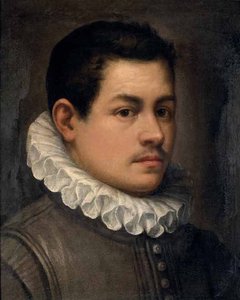
1560–1609, Italia
Annibale Carracci
Early Life and the Bolognese Roots Annibale Carracci, syntynyt Bolodnássa 3. marraskuuta 1560, kuului taiteelliseen perheeseen, jonka juuret ulottuivat syvälle taiteen historiaan. Hänen varhaiset opinnoilleen oli todennäköisesti määrätty ympäristö hänen oman perheensä työpajassa, joka loi pohjan uralle, joka muokkaisi Italian maalaustraditioita merkittävästi. Bolodná oli tuohon aikaan vilkas keskuksena ajattelulle ja taiteelle, mutta se tuntui samalla kaukaiselta keskeltä Rooman ja Venetsian hallitsevista virtauksista.
Tietoa taiteilijasta Annibale Carracci Annibale Carraccin merkittävimmät teokset
Myös Annibale Carracci -teoksia
 Pavut syöjä Aurinko
 Herkuleen valinta
 Heraklesin Valinta1596
 Joensuun Luistelijoiden Museo1589
Esseitä teoksesta Triptych
 The Architecture of Divinity: Tracing the Evolution of Angelic Iconography in Renaissance ArtExplore the evolution of angelic iconography from early Christian art to the Baroque. Trace the divine history with our expert analysis.
 25 Masterpieces by Sir Anthony van Dyck: The King of Baroque PortraitureStep into the elegance of the Baroque era with our curated guide to Sir Anthony van Dyck's top 25 masterpieces. Explore royal portraits and…
 Caravaggism and Bolognese Classicism: Two Paths of the BaroqueMaster the differences between Caravaggism and Bolognese Classicism. Explore the dramatic tension of the Baroque era now.