
1


Päivitetty lokakuu 2026 · järjestetty suosituimmuuspisteiden mukaan (jokaisen teoksen haut, vierailut ja tilaukset) · 31 teosta taiteilijalta Tennyson Cole luettelossamme
Lyhyesti
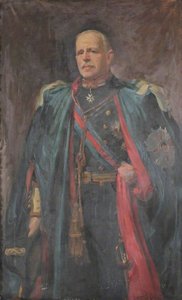
King Edward VII (1841-1910) (1906) on se Tennyson Cole -maalaus, joka herättää eniten huomiota; alkuperäisteos kuuluu museolle Buckingham Palace, Lontoo. Sen jälkeen katse siirtyy kohteisiin Charles Richard John Spencer Churchill (1871–1934), 9th Duke of Marlborough (1907) ja King Edward VII (1907). Tennyson Colein 31 teoksemme joukosta nämä 26 ovat kuuluisimpia; jokainen on ainutlaatuinen alkuperäisteos, joka on esitelty vuosiluvun, museon ja sen syyn kera, miksi teos on säilyttänyt suosionsa.


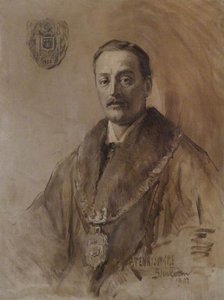
 Sir Alfred F. Robbins (1856–1931), Journalist, Freemason and FreemanLaunceston Town Hall
12
 Edward VII (1841–1910)1908 · Walker Art Gallery
13
 King Edward VII (1841–1910)1907
14
 Cecil John Rhodes et nos fas extera quaerere regnaOriel College
15
 Sir William Treloar (1843–1923), Lord Mayor of London (1906)1907 · Guildhall Art Gallery
16
 Major General the Right Honourable Lord Cheylesmore, Mayor of Westminster (1904–1906)1906 · City of Westminster Archives Centre
17
 Lord Kitchener of Khartoum1914 · Imperial War Museums
18
 George V1915
19
 George V (1865–1936)1915 · Shetland Museum And Archives
20
 General Sir Edmund Allenby, KCB1919 · Imperial War Museums
21
 Mayor Councillor Viscount Doneraile, Mayor of Westminster (1919–1920)1920 · City of Westminster Archives Centre
22
 Sir John Hunt, Town Clerk of the City of Westminster1931 · City of Westminster Archives Centre
23
 Charles Alexander Buckmaster1936
24
 King Edward VII1907 · Russell
25
 Alderman William F. PaulIpswich County Library
26
 William Mansfield (1855–1921), 1st Viscount Sandhurstst Bartholomew’s Hospital Museum And Archive
Nämä neljä aihetta toistuvat näissä alkuperäisteoksissa useimmin, jokaisesta löytyy hienoin esimerkki.
Tämän sivun teoksista eniten sisältävät 8 museota.
| Museo | Kaupunki | Tennyson Cole teokset | Tämän listan maalaukset |
|---|---|---|---|
 City of Westminster Archives Centre |
London | 6 | Duke of Norfolk, 1st Mayor of Westminster (1900–1901), Duke of Norfolk, 1st Mayor of Westminster, Alderman Lieutenant Colonel Clifford Probyn, Mayor of Westminster (1901–1902) |
 Imperial War Museums |
Lontoo | 2 | Lord Kitchener of Khartoum, General Sir Edmund Allenby, KCB |
 Buckingham Palace |
Lontoo | 1 | King Edward VII (1841-1910) |
 Woodstock Town Hall |
Woodstock | 1 | Charles Richard John Spencer Churchill (1871–1934), 9th Duke of Marlborough |
 National Portrait Gallery |
Lontoo | 1 | King Edward VII |
 Te Whare O Rehua Sarjeant Gallery |
1 | Portrait of the Right Honourable John Ballance | |
 Launceston Town Hall |
Launceston | 1 | Sir Alfred F. Robbins (1856–1931), Journalist, Freemason and Freeman |
 Walker Art Gallery |
Liverpool | 1 | Edward VII (1841–1910) |
Valitse vuosikymmen nähdäksesi sen määrittäneen alkuperäisteoksen.


King Edward VII (1841-1910) (1906), Buckingham Palace, Lontoo. Seuraavina ovat Charles Richard John Spencer Churchill (1871–1934), 9th Duke of Marlborough (1907) ja King Edward VII (1907).
44 vuotta vanha: King Edward VII (1841-1910) on peräisin vuodelta 1906, ja Tennyson Cole on syntynyt vuonna 1862.
King Edward VII (1841-1910), Charles Richard John Spencer Churchill (1871–1934), 9th Duke of Marlborough, King Edward VII, Owen Cosby Philipps, 1st Baron Kylsant, MP, Portrait of a Governor, Cecil Rhodes (1853–1902), Duke of Norfolk, 1st Mayor of Westminster (1900–1901), Duke of Norfolk, 1st Mayor of Westminster, Alderman Lieutenant Colonel Clifford Probyn, Mayor of Westminster (1901–1902) ja Portrait of the Right Honourable John Ballance. Yllä oleva sijoitus kertoo kunkin teoksen vuosiluvun ja museon.
Katalogissamme on 31 teosta taiteilijalta Tennyson Cole, aikaväliltä 1898–1936.
Pääasiassa City of Westminster Archives Centre (London), Imperial War Museums (Lontoo) ja Buckingham Palace (Lontoo). Yllä oleva museotaulukko listaa ne kaikki.
Aikakaudella 1900s: 12 sivun 26 teoksista on tehty silloin, joista King Edward VII (1841-1910).
Tällä sivulla vanhin on Portrait of a Governor (1898) ja uusin Charles Alexander Buckmaster (1936).
Portrait (5), Victorian (4) ja Historical figure (3), yhteensä 26 teosta tällä sivulla.
Contemporary realism, tämän sivun alkuperäisteosten perusteella.
Duke of Norfolk, 1st Mayor of Westminster (1900–1901), Duke of Norfolk, 1st Mayor of Westminster ja Alderman Lieutenant Colonel Clifford Probyn, Mayor of Westminster (1901–1902): City of Westminster Archives Centre, London -ssä on 6 tämän sivun teoksista.
Philip Tennyson Cole (1862-1939) remains a captivating, yet somewhat enigmatic figure in 19th and early 20th century British art. More than simply a portrait painter, Cole possessed a unique ability to capture not just likenesses but also the social currents, aspirations, and even the unspoken anxieties of his era. His subjects – royalty, aristocracy, colonial figures, and prominent members of society – are rendered with a striking blend of realism and subtle psychological insight, revealing a keen eye for detail and an understanding of how appearances could conceal deeper truths. His career spanned several continents, from London to South Africa and Australia, each location leaving its indelible mark on his artistic style and subject matter.
Born in London into a family with a strong artistic lineage – his father, George Vicat Cole, was himself a respected landscape painter – Philip’s early life was steeped in the world of art. He received a thorough education, attending Chiswick College and honing his skills under his father's guidance. However, it wasn’t merely technical proficiency that defined him; a fascination with storytelling and a deep appreciation for literature, particularly poetry, profoundly shaped his artistic vision. The influence of T.S. Eliot’s “Journey of the Magi” and John Milton’s *Paradise Lost* ignited within him a desire to capture not just outward appearances but also the emotional resonance of his subjects. This is evident in works like "Cecil John Rhodes et nos fas extera quaerere regna," where the imposing figure of the South African statesman isn't simply depicted, but imbued with an aura of ambition and perhaps even melancholy.
Cole’s career gained significant momentum in Australia during the late 1890s. Initially drawn to Tasmania, he quickly established himself as a sought-after portraitist, capturing the likenesses of colonial officials and prominent figures. His ability to portray individuals with both dignity and vulnerability resonated deeply with the Australian public, contributing to his rapid rise in popularity. This success fueled his ambition, leading him on extended tours through South Africa and later, into the African interior – a period documented in his diaries and reflected in the dramatic lighting and evocative atmosphere of paintings like those depicting scenes from colonial life.
His travels weren’t merely for artistic inspiration; they were also deeply personal. A tumultuous marriage to Alice Mary Saintsbury, an actress, marked both a significant chapter in his life and a source of considerable emotional strain. The challenges he faced during this period – including accusations of desertion and legal proceedings – undoubtedly influenced the introspective quality that occasionally surfaces in his portraits. Despite these difficulties, Cole continued to produce remarkable work, securing commissions from influential figures such as Lord Milner, Cecil Rhodes, and even King Edward VII himself.
Cole’s artistic style is characterized by a sophisticated blend of realism and symbolism. He was a meticulous observer, capturing the nuances of facial expression, clothing, and setting with remarkable accuracy. However, he rarely presented his subjects in a purely objective manner. Instead, he employed subtle visual cues – lighting, color palettes, and compositional arrangements – to convey deeper meanings and emotional states. The use of chiaroscuro, particularly evident in portraits like “King Edward VII,” creates dramatic contrasts that heighten the sense of drama and psychological depth.
His choice of subjects often reflected the prevailing social and political concerns of his time. The portraits of colonial figures, for example, are not simply celebratory depictions but also engage with complex issues of empire, power, and cultural exchange. The inclusion of symbolic elements – such as the references to ancient mythology in “Cecil John Rhodes et nos fas extera quaerere regna” – further enriches the narrative quality of his paintings.
While Cole enjoyed considerable success during his lifetime, his work largely faded from public view after his death in 1939. However, in recent decades, there has been a growing appreciation for his artistic talent and the unique insights he offered into Victorian society. His portraits are now housed in various public collections across Britain and Australia, including the Tate Gallery and the Tasmanian Art Gallery, testament to their enduring quality and historical significance.
Today, Philip Tennyson Cole is recognized as one of the most important portrait painters of his era – a master of capturing not just appearances but also the complexities of human character and the spirit of a bygone age. His work continues to fascinate and intrigue viewers, offering a compelling glimpse into the social, political, and cultural landscape of 19th-century Britain and beyond.