

Sisukord
Olulisim info
- Featured artists: jean broc
- Works on APS: 1
- Location: Poitiers, France
Kunstiviktoriin
Iga küsimuse kohta on ainult üks õige vastus.
Küsimus 1:
What is the Musée Rupert de Chièvres primarily known for?
Küsimus 2:
The Musée Rupert de Chièvres’s collection includes decorative arts alongside paintings. What is a notable aspect of this collection?
Küsimus 3:
Which architect designed the Musée Sainte-Croix, where the Musée Rupert de Chièvres’s collections were originally planned to relocate?
Küsimus 4:
What stylistic innovation characterizes the paintings housed in Musée Rupert de Chièvres?
Küsimus 5:
A major highlight of the Musée Rupert de Chièvres’s collection is a bequest that contributes to its unique artistic heritage. What does this bequest represent?
Kunstnikud muuseumikogus

jean broc
Discover Jean Broc, a French Neoclassical painter known for his masterpiece 'The Death of Hyacinth' (1801). Explore his works influenced by Jacques-Louis David and the Les Primitifs group.

Seotud artiklid
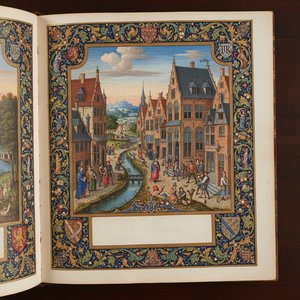
Illuminating Realism: Early Netherlandish Painting (15th-16th Centuries)
Explore the captivating world of Early Netherlandish painting! Discover Jan van Eyck, Hans Memling & more. Uncover symbolism, techniques & the legacy of these Flemish masters. A comprehensive guide for art enthusiasts.
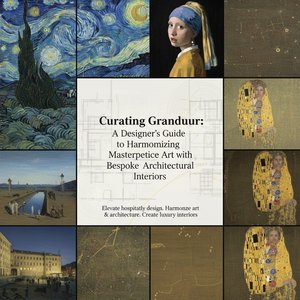
Harmonizing History & Hue: A Guide to Matching Art Styles with Interior Architecture for Balanced Décor
Elevate your interior design with our expert guide to harmonizing art styles & architecture. Discover timeless pieces, color palettes, & custom artwork solutions for balanced, luxury spaces. Expert advice included!

Early Netherlandish Masters: 10 Paintings That Revolutionized Art & Decor
Journey into the world of Early Netherlandish painting! Explore 10 masterpieces by Jan van Eyck, Rogier van der Weyden & more. Discover stunning detail, symbolism & Renaissance art for your home decor. Find museum-quality reproductions on OriginalUniqueArt.com


Telli meie uudiskiri
Püsige kursis viimaste kunstiuudistega, eksklusiivsete pakkumistega ja sisustamisideetega.
Saage 3 tasuta kunstisoovitust
Kirjeldage meile oma projekti ja meie kunstieksperdid pakuvad teile 3 isikupärast kunstiettepanekut.
Not Sure Where to Start?
Let Us Curate 3 Options Just for You - Free!