Wit Stwosz portree

35 kulubumatamatum Wit Stwosz maali, galeriiselektsioon

Uuendatud november 2026 · järjestatud meie populaarsusindeksi järgi (otsingud, külastused ja tellimused igale teosele) · 35 teost Wit Stwosz meie kataloogis

Lühidalt

Kõigist Wit Stwosz jäetud originaalteostest on kõige kuulsam Engelsgruss of St. Lawrence Church in Nuremberg (1518), mis kuulub Nürnbergi linnamuuseumid kogele linnas Nürnberg. Järgnevad sellest High Altar of St Mary (detail of the Lamentation) (1477) ja High Altar of St Mary (Resurrection) (1477). Meie kataloogist löytyb 35 teost kunstnikult Wit Stwosz; galeriist on säilitatud 35 maailmas kõige imetlustunud teost, millest iga on esitatud koos kuupäeva, museumi ja oma luguga.

1447 – 1533, Horbach Northern renaissance Enamama teoseid: Piiskoplik St Mary's Basilica

Wit Stwosz top 10 maalist: galeriis valitud teosed

1
Engelsgruss of St. Lawrence Church in Nuremberg (1518) (autor) Wit Stwosz

Engelsgruss of St. Lawrence Church in Nuremberg

1518 · Wood · Nürnbergi linnamuuseumid, Nürnberg

In the center of the choir of St. Lorenz Church in Nuremberg, a miracle hangs from the shadows. It is an assemblage of life-sized limewood figures, suspended by a metal chain as if caught in a moment of eternal descent. The wood carries the weight of a divine encounter, the Annunciation, frozen in the quiet tension between heaven and earth. Light catches the curves of the carving, revealing the soft…

3
High Altar of St Mary (Resurrection) (1477) (autor) Wit Stwosz

High Altar of St Mary (Resurrection)

1477 · Wood · Piiskoplik St Mary's Basilica, Krakov

To stand before the High Altar of St Mary is to witness a moment where the earthly and the divine collide in a breathtaking display of late Gothic mastery. Carved between 1477 and 1489 by the incomparable German sculptor Wit Stwosz (also known as Veit Stoss), this monumental retable is far more than a religious relic; it is a narrative symphony rendered in wood. The altar, which resides in the…

4
High Altar of St Mary (Apostle Peter and Malchus) (1477) (autor) Wit Stwosz

High Altar of St Mary (Apostle Peter and Malchus)

To stand before the High Altar of St Mary is to witness a moment where the boundaries between the earthly and the divine dissolve into the grain of ancient wood. Created by the incomparable Wit Stwosz (also known as Veit Stoss) between 1477 and 1489, this monumental achievement in Kraków’s St Mary’s Basilica is far more than a religious relic; it is a breathtaking triumph of the Late Gothic Baroque…

5
High Altar of St Mary (detail) (1477) (autor) Wit Stwosz

High Altar of St Mary (detail)

1477 · Tempera On Panel

This work is a detail from the High Altar of St Mary (detail) by Wit Stwosz. Known in Poland as Wit Stwosz, the artist created this piece around 1477. It forms part of the larger Veit Stoss Altarpiece, a significant sculptural ensemble located in St Mary's Basilica in Kraków, Poland.

7
Virgin and Child with Pomegranate (1500) (autor) Wit Stwosz

Virgin and Child with Pomegranate

1500 · Engraving · Staatliche Graphische Sammlung, Münih

The artwork presents a monochrome depiction of the Virgin Mary holding the infant Jesus. The composition is centered around these two figures, who are positioned slightly off-center within the frame. Mary stands with her head tilted slightly downwards toward the child in her arms, her drapery flowing dynamically to add movement to the scene. The background remains largely empty, focusing all attention on the central figures. A pomegranate may be…

8
Lamentation (1500) (autor) Wit Stwosz

Lamentation

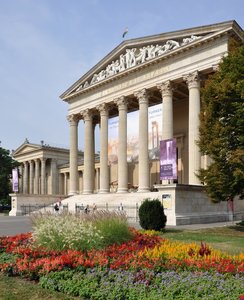
1500 · Engraving · Szépművészeti Múzeum, Budapest

To look upon this work is to witness a moment of profound stillness amidst a storm of grief. The scene depicts the Lamentation, a quiet yet heavy moment where Christ lies supine in the lap of Mary. There is a certain gravity to the composition, a pyramidal structure that draws the eye downward toward the central figure of the deceased. Above them, an angel hovers, suspended in a state of…

9
Annunciation (1517) (autor) Wit Stwosz

Annunciation

1517 · Wood · St Lorenzkirche, Nürnberg

The Annunciation by Wit Stwosz was commissioned in 1517 by Anton II Tucher. Tucher held a high-ranking official position in Nuremberg. This assemblage of life-sized limewood sculptures was completed in 1518. The work was intended to function as a devotional centerpiece for those reciting the rosary or participating in other Marian devotions.

10
Winged Altarpiece (detail) (1523) (autor) Wit Stwosz

Winged Altarpiece (detail)

1523 · Wood · Bambergi katedraalimuuseumid, Bamberg

The Winged Altarpiece (detail) by Wit Stwosz presents a quiet moment of stillness. This fragment of a larger sculptural work captures a human figure in a state of profound repose. The subject appears to be a religious or allegorical figure, caught in a private instance of devotion. Every line of the face suggests a soul turned inward, away from the noise of the world and toward a silent, spiritual presence.

Kunstianikut Wit Stwosz nimekiri jätkub, 11 kuni 35

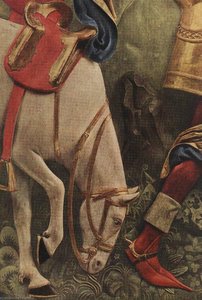
11High Altar of St Mary (Jerome) (1477) (autor) Wit StwoszHigh Altar of St Mary (Jerome)1477 · Piiskoplik St Mary's Basilica 12Christ Child (1525) (autor) Wit StwoszChrist Child1525 13High Altar of St Mary (frame figure) (1477) (autor) Wit StwoszHigh Altar of St Mary (frame figure)1477 · Piiskoplik St Mary's Basilica 14High Altar of St Mary (1477) (autor) Wit StwoszHigh Altar of St Mary1477 · Piiskoplik St Mary's Basilica 15High Altar of St Mary (Angel with Lute) (1477) (autor) Wit StwoszHigh Altar of St Mary (Angel with Lute)1477 · Piiskoplik St Mary's Basilica 16High Altar of St Mary (detail) (1477) (autor) Wit StwoszHigh Altar of St Mary (detail)1477 · Piiskoplik St Mary's Basilica 17High Altar of St Mary (St Anne) (1477) (autor) Wit StwoszHigh Altar of St Mary (St Anne)1477 · Piiskoplik St Mary's Basilica 18High Altar of St Mary (a soldier) (1477) (autor) Wit StwoszHigh Altar of St Mary (a soldier)1477 · Piiskoplik St Mary's Basilica 19High Altar of St Mary (Apostle John) (1477) (autor) Wit StwoszHigh Altar of St Mary (Apostle John)1477 · Piiskoplik St Mary's Basilica 20High Altar of St Mary (Pouring the Bathing Water) (1477) (autor) Wit StwoszHigh Altar of St Mary (Pouring the Bathing Water)1477 · Piiskoplik St Mary's Basilica 21Dormition of the Virgin (1477) (autor) Wit StwoszDormition of the Virgin1477 · Piiskoplik St Mary's Basilica 22High Altar of St Mary (detail of the Lamentation) (1477) (autor) Wit StwoszHigh Altar of St Mary (detail of the Lamentation)1477 · Piiskoplik St Mary's Basilica 23High Altar of St Mary (a horse) (1477) (autor) Wit StwoszHigh Altar of St Mary (a horse)1477 · Piiskoplik St Mary's Basilica 24High Altar of St Mary (detail of the Noli me tangere) (1477) (autor) Wit StwoszHigh Altar of St Mary (detail of the Noli me tangere)1477 · Piiskoplik St Mary's Basilica 25High Altar of St Mary (head of Mary) (1477) (autor) Wit StwoszHigh Altar of St Mary (head of Mary)1477 · Piiskoplik St Mary's Basilica 26High Altar of St Mary (Doctors) (1477) (autor) Wit StwoszHigh Altar of St Mary (Doctors)1477 · Piiskoplik St Mary's Basilica 27Mary and the Child (1500) (autor) Wit StwoszMary and the Child1500 · Victoria and Albert Museum 28Annunciation (detail) (1517) (autor) Wit StwoszAnnunciation (detail)1517 · St. Lorenz 29Young Tobias (1516) (autor) Wit StwoszYoung Tobias1516 · Germanisches Nationalmuseum 30Annunciation (1517) (autor) Wit StwoszAnnunciation1517 · St Lorenzkirche 31Tobias and the Angel (1516) (autor) Wit StwoszTobias and the Angel1516 · Germanisches Nationalmuseum 32Saint Vitus in a cauldron of oil (1520) (autor) Wit StwoszSaint Vitus in a cauldron of oil1520 · Germanisches Nationalmuseum 33Antler Chandelier in the Shape of a Dragon (1522) (autor) Wit StwoszAntler Chandelier in the Shape of a Dragon1522 · Germanisches Nationalmuseum 34Winged Altarpiece (1523) (autor) Wit StwoszWinged Altarpiece1523 · Bambergi katedraalimuuseumid 35High Altar of St Mary (Crucifixion) (1477) (autor) Wit StwoszHigh Altar of St Mary (Crucifixion)1477 · Piiskoplik St Mary's Basilica

Wit Stwosz kuulsaimad maalid ajastult ajastule

Teemad, mis püüdisid Wit Stwosz pilma

Neli teemat, mis esinevad neis originaalkindel kõige sagedamini, ning iga teema parim näide.

Muuseumid, kus on säilitatud Wit Stwosz originaalteosed

Kümne 8 muuseumi kollektsioonid, mis sisaldavad kõige rohkem sellel lehel esitatud teoseid.

Muuseum Linn Wit Stwosz teosed Selle nimekirja maalid
Piiskoplik St Mary's Basilica, KrakovPiiskoplik St Mary's Basilica Krakov 20 High Altar of St Mary (detail of the Lamentation), High Altar of St Mary (Resurrection), High Altar of St Mary (Apostle Peter and Malchus)
Germanisches Nationalmuseum, NürnbergGermanisches Nationalmuseum Nürnberg 4 Young Tobias, Tobias and the Angel, Saint Vitus in a cauldron of oil
St Lorenzkirche, NürnbergSt Lorenzkirche Nürnberg 2 Annunciation, Annunciation
Bambergi katedraalimuuseumid, BambergBambergi katedraalimuuseumid Bamberg 2 Winged Altarpiece (detail), Winged Altarpiece
Nürnbergi linnamuuseumid, NürnbergNürnbergi linnamuuseumid Nürnberg 1 Engelsgruss of St. Lawrence Church in Nuremberg
Staatliche Graphische Sammlung, MünihStaatliche Graphische Sammlung Münih 1 Virgin and Child with Pomegranate
Szépművészeti Múzeum, BudapestSzépművészeti Múzeum Budapest 1 Lamentation
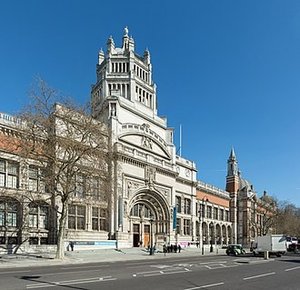
Victoria and Albert Museum, LondonVictoria and Albert Museum London 1 Mary and the Child

Wit Stwosz aastak aegades: originaalteos, mis määratleb iga ajastu

Teosed aastakate kaupa

Vali vuosakülg, et näha selle ajastu definieerivat originaalteost.

Sammlajate küsimused Wit Stwosz maalide kohta

Millise teosega on Wit Stwosz kõige kuulsam?Paljasta vastus

Engelsgruss of St. Lawrence Church in Nuremberg (1518), Nürnbergi linnamuuseumid, Nürnberg. Järgnevad High Altar of St Mary (detail of the Lamentation) (1477) ja High Altar of St Mary (Resurrection) (1477).

Kui vana oli Wit Stwosz, kui teos Engelsgruss of St. Lawrence Church in Nuremberg loodi?Paljasta vastus

71 aastat vanus: teos Engelsgruss of St. Lawrence Church in Nuremberg on pärinev aastast 1518 ning Wit Stwosz sündis aastal 1447.

Millised on kümne kõige kuulsama Wit Stwosz maalid?Paljasta vastus

Engelsgruss of St. Lawrence Church in Nuremberg, High Altar of St Mary (detail of the Lamentation), High Altar of St Mary (Resurrection), High Altar of St Mary (Apostle Peter and Malchus), High Altar of St Mary (detail), High Altar of St Mary (heads of Joachim and Anne), Virgin and Child with Pomegranate, Lamentation, Annunciation ja Winged Altarpiece (detail). Ülemine reiting näitab iga teose puhul aastat ja muuseumi.

Kui palju maali Wit Stwosz jäeti?Paljasta vastus

Meie kataloogist leiate 35 teost kunstnikult Wit Stwosz, mis on pärinevad ajastust 1477 kuni 1525.

Mitteks muuseumides rihangavad Wit Stwosz meistriteosed?Paljasta vastus

Peamiselt Piiskoplik St Mary's Basilica (Krakov), Germanisches Nationalmuseum (Nürnberg) ja St Lorenzkirche (Nürnberg) muuseumites. Ülalpool olevate muuseumite tabelis on nendest kõik loetletud.

Millah aastades maalas Wit Stwosz oma kuulsamaid teoseid?Paljasta vastus

Ajal 1470s: 21 35 sellel lehel olevat teost on sellel perioodil loodud, sellest High Altar of St Mary (detail of the Lamentation).

Mis on Wit Stwosz esimene ja viimane kuuls fama originaalteos?Paljasta vastus

Sellel lehel on kõige vanem teos High Altar of St Mary (detail of the Lamentation) (1477) ja kõige värskeim Christ Child (1525).

Milliseid teemasid Wit Stwosz kõige sagedamini valis?Paljasta vastus

Woman (12), Sculpture (8) ja Man (6), kogu selle lehekülje 35 teose kohta.

Millist tehnikat kasutas Wit Stwosz kõige rohkem?Paljasta vastus

Wood, 22 teoseks 35 töödelt sellel lehel.

Minge pihta kunstisuunasse, kuhu Wit Stwosz kuulub?Paljasta vastus

Northern renaissance, seda lähtudes selle lehe originaalteostest.

Millised Wit Stwosz teosed on Piiskoplik St Mary's Basilica näituses?Paljasta vastus

High Altar of St Mary (detail of the Lamentation), High Altar of St Mary (Resurrection) ja High Altar of St Mary (Apostle Peter and Malchus): Piiskoplik St Mary's Basilica, Krakov säilitab 20 selle lehel olevat teost.

Wit Stwosz: elu ja looming

Wit Stwoszi emotsionaalne drama

Wit Stwoszi, või Veit Stoßi, teoste ees seismine on kui kohatada sügavale puusse haetud inimlikku emotsioonide lained. See saksa meistrilik skulptor, kelle elu hõlmis turbulentset üleminekut hilispunkti gootikast avarnevad põhjamaine renessanss, ei lõi vaid kujuteid; ta tõmbas neisse ellu. Tema kunstiline visioon oli sügavalt juurdunud tema ajastu draamilisse põletusse, andes oma puidust loomistele peaaegu kätta puudutava kurbuse ja patose tunne. Kuigi üksikasjad tema varasest õpilaskoolitlusest on kadunud ajaloo udu into, on selge, et juba oma kujunemis aastatest omastas ta saksa töökoda traditsiooni ranget distsipliini, valdides tehnikaid, mis võimaldasid tal muuta massivne puu vaimulike narratiivide vasikuteks.

Materjali ja liikumise meisterlikkus

Stwoszi tehniline briljantsitas lies tema võrratud võimelisuses manipuleerida puidu. Tema suurim saavutus oli kangasmustrite kujundamine — måärk, kuidas kangas langeb, tõuseb ja kleepub vormile, ei ole pelgalt katusekiri, vaid aktiivne osaline skulptuuris avanevas draamas. See virtuoosne lõikustiil on panenud kunst ajaloolased looma termineid nagu "hilispunkti gootika barokk", tunnustades seda, kuidas ta täitis varasemate stiilide jäikad struktuurid dünaamilise ja peaaegu rahutu energiaga. Tema kujundid tunduvad jäänud pooleks žestiks, nende riided keerlevad nii, nagu neid liigutaks nähtamatu jumalik tuul. See rõhuasetus liikumisele ja emotsionaalsele intensiivsusele tähistab teda kui võtmefigureeritud, kelle töö ühendas erinevad stiililised ajastu.

Ikoograafia ja igavene pärand

Kuigi tema mõju läbivatas oma ajastu kunstilisi voolu, on Stwoszi arutlemine peaaegu võimatu ilma monumentaalsete altariga, mis asub Poolas, Krakowis, Püha Neitsi Maarja kirikus. See teos seisab kui hiiglaslik tõestus tema geniusest, näidates narratiivset keerukust ja emotsionaalset sügavust, mis määrdis tema karjääri. Lisaks sellele meistriteosele jätavad alles jäänud teosed, nagu Neitsi ja Laps koos Püha Annaga, edasi näidata tema sügavat arusaamist pühasest ikoonograafiast. Tema võime imbüüda religioosseid teemasid nii intensiivse inimliku tundusega tagas t tema pärandi kaja kaugele Saksamaa töökodadest.

Sild ajastute vahel

Wit Stwoszi olulisust ei saa liiallt ülistada; ta oli kunstnik, kes navigeeris tohutu kultuurilise segaduse perioodil. Ta võttis hilispunkti gootikale omase vaimse intensiivsuse ja üksdetailse naturalismi ning täidis selle kasvava renessanssi humanismi tunnetega, säilitades samal ajal unikaalse saksa emotsionaalse põletiku. Tema pühendumus siseelule — igatsusest, kurbusest ja jumalikust ekstaasist — puu kättesaadavas keskkonnas kinnitas tema positsiooni meistrina, kelle visioon paneb ka tänapäeva vaatajat kõekõiks.