Lühidalt
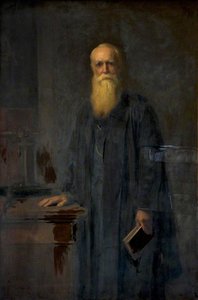
Portrait of an Unidentified Ipswich Mayor (1880) on William R. Symonds maalide kõige rohkem tähelepanu pälva teos. Pärast seda suunatakse pilk Robert Ransome (1875) ja Mrs Mary Ransome (1875) suunas. Meie kataloogis olevatest William R. Symonds 19 teosest on need 17 kõige kuulsumat, millist igaüks on esitatud koos aasta, muuseumi ja põhjusega, miks teos on püsiv.
William R. Symonds top 10 maalist galeriist vaatenurgast
William R. Symonds kuulsad maalid, numbrid 11 kuni 17
Muuseumid, kus on säilitatud William R. Symonds originaalteosed
Kümne 7 muuseumi kollektsioonid, mis sisaldavad kõige rohkem sellel lehel esitatud teoseid.
| Muuseumid | Linn | William R. Symonds teosid | Selle nimekirja maalid |
|---|---|---|---|
| London | 1 | Sir Richard Wallace | |
| Oxford | 1 | The Reverend D. P. Chase, DD, Principal of St Mary Hall, Oxford | |
| Belfast | 1 | Professor Joseph David Everett (1831–1904) | |
| 1 | The Princess and the Frog | ||
| Thames | 1 | The Right Honourable George Viscount Cave, CC, MC | |
| Edinburgh | 1 | The Right Honourable Sir Charles Dalrymple (1839–1916), Bt | |
| Bristol | 1 | Doreen Albinia de Burgh Gibbs (1913–2008), Aged 4, Later the Honourable Mrs Charles Bathurst Norman |
William R. Symonds aastakatega: iga aastakannaga üks unikaalne originaal
Teosed aastakate kaupa
Vali vuosakülg, et näha selle ajastu definieerivat originaalteost.
William R. Symonds maalid: küsimused galeriile
Mis on William R. Symonds kõige kuulsam teos?Paljasta vastus
Portrait of an Unidentified Ipswich Mayor (1880). Järgnevad Robert Ransome (1875) ja Mrs Mary Ransome (1875).
Mis vanuses luunud William R. Symonds teos Portrait of an Unidentified Ipswich Mayor?Paljasta vastus
29 aastat vanus: teos Portrait of an Unidentified Ipswich Mayor on pärinev aastast 1880 ning William R. Symonds sündis aastal 1851.
Millised on William R. Symonds kümneks kuulsumat maalatist?Paljasta vastus
Portrait of an Unidentified Ipswich Mayor, Robert Ransome, Mrs Mary Ransome, Study of a Man, Sir Richard Wallace, James Alan Ransome, Vice President of Ipswich Working Men's Club, Edward Christian, Principal of Ipswich Working Men's Club, Archdeacon R. H. Groome (1810–1889), The Reverend D. P. Chase, DD, Principal of St Mary Hall, Oxford ja John Creemer Clarke (c.1822–1895). Ülemine reiting näitab iga teose puhul aastat ja muuseumi.
Kui palju teoseid kunstniku William R. Symonds kohta on teada?Paljasta vastus
Meie kataloogist leiate 19 teost kunstnikult William R. Symonds, mis on pärinevad ajastust 1875 kuni 1917.
Kust saab näha kõige kuulsamaid William R. Symonds originaalteoseid?Paljasta vastus
Peamiselt Wallace Collection (London), Oriel College (Oxford) ja Queen's University (Belfast) muuseumites. Ülalpool olevate muuseumite tabelis on nendest kõik loetletud.
Mille perioodi jooksul lõi William R. Symonds oma tuntumad maalid?Paljasta vastus
Ajal 1880s: 8 17 sellel lehel olevat teost on sellel perioodil loodud, მათart közül Portrait of an Unidentified Ipswich Mayor.
Milline kuuls William R. Symonds maal on kõige varasem ja milline kõige hiljema?Paljasta vastus
Sellel lehel on kõige vanem teos Robert Ransome (1875) ja kõige värskeim Doreen Albinia de Burgh Gibbs (1913–2008), Aged 4, Later the Honourable Mrs Charles Bathurst Norman (1917).
William R. Symonds: kunstniku portree
A Life Subtly Revealed: William Robert Symonds and the Currents of Victorian Thought
William Robert Symonds, born in 1851, remains a figure shrouded in a delicate ambiguity – a poet, cultural historian, and scholar whose life was deeply interwoven with the intellectual and social upheavals of late Victorian England. While not a household name like his father, John Addington Symonds, a prominent literary critic and advocate for Greek love, William’s contributions offer a fascinating lens through which to view the complexities of the era. His existence wasn't one of grand public pronouncements but rather a quiet exploration of Renaissance studies, homoerotic themes, and the burgeoning field of cultural history, all conducted within the constraints – and often the shadows – of Victorian morality. He died in 1934, leaving behind a body of work that continues to intrigue scholars for its nuanced perspectives and personal revelations.Early Influences and Academic Pursuits
The shadow of his father loomed large over William’s early life. John Addington Symonds was a pivotal figure in the Aesthetic movement, championing the beauty of classical art and literature, and openly (though cautiously) discussing same-sex attraction in his writings. This intellectual environment undoubtedly shaped young William's sensibilities. He received a privileged education, fostering a deep love for languages, history, and the arts. He pursued academic studies with diligence, focusing on the Italian Renaissance – a period he found particularly resonant due to its flourishing of artistic expression and, importantly, its more tolerant attitudes towards same-sex relationships compared to Victorian England. His early scholarship wasn’t marked by radical departures from established norms; rather, it was characterized by meticulous research and a growing fascination with the social contexts that shaped Renaissance art and literature. He absorbed his father's passion for classical ideals but began to carve out his own path, moving beyond purely aesthetic appreciation towards a more sociological understanding of culture.Themes and Artistic Development
Symonds’ work is distinguished by its subtle yet persistent exploration of homoerotic desire, often veiled within the framework of Renaissance studies. He didn't directly advocate for homosexual rights in the manner of his father; instead, he embedded his interests within detailed analyses of Italian poetry, art, and social customs. His writings frequently focus on male beauty, idealized friendships, and the passionate bonds between men – themes that would have been considered highly controversial at the time. His approach was one of careful allusion and coded language, allowing him to navigate the treacherous waters of Victorian censorship while still expressing his own sensibilities. He wasn’t solely preoccupied with sexuality; he also demonstrated a keen interest in the social history of Florence, examining the lives of artisans, merchants, and ordinary citizens alongside the more celebrated figures of the Renaissance. This broader focus distinguishes him from purely aesthetic or biographical studies. His poetry, though less widely known than his historical work, often reflects similar themes – longing, unrequited love, and a melancholic yearning for connection.Major Achievements and Historical Significance
While Symonds didn’t produce any single landmark publication that catapulted him to fame, his cumulative body of work represents a significant contribution to the understanding of Renaissance culture and Victorian intellectual life. His detailed studies of Florentine society provided valuable insights into the daily lives and social structures of the period, moving beyond traditional narratives focused solely on political events and artistic masterpieces.- His meticulous research challenged conventional interpretations of Renaissance art and literature.
- He offered a nuanced perspective on the complexities of male relationships in both the Renaissance and Victorian eras.
- His work, though often coded, contributed to a growing body of scholarship exploring same-sex desire in historical contexts.