William Lamb Picknell portree

21 kulubumatamatum William Lamb Picknell maali, galeriiselektsioon

Uuendatud november 2026 · järjestatud meie populaarsusindeksi järgi (otsingud, külastused ja tellimused igale teosele) · 22 teost William Lamb Picknell meie kataloogis

Lühidalt

Kõigist William Lamb Picknell jäetud originaalteostest on kõige kuulsam The Grand Canal With San Giorgio Maggiore (1875), mis kuulub New Britain Museum of American Art kogele linnas New Britain. Järgnevad sellest Spring in Pont Aven (1874) ja A French Garden, Provence (1878). Meie kataloogist löytyb 22 teost kunstnikult William Lamb Picknell; galeriist on säilitatud 21 maailmas kõige imetlustunud teost, millest iga on esitatud koos kuupäeva, museumi ja oma luguga.
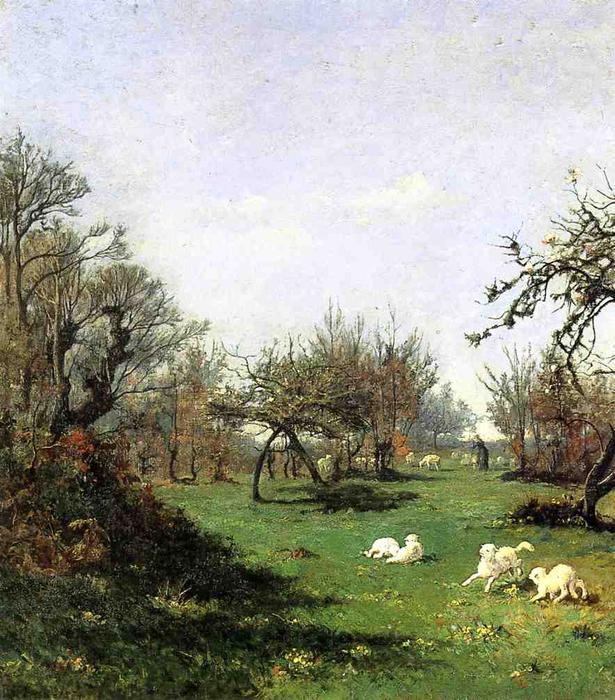
1853 – 1897, Hinesburg Enamama teoseid: Museum of Fine Arts

William Lamb Picknell top 10 maalist: galeriis valitud teosed

Kunstianikut William Lamb Picknell nimekiri jätkub, 11 kuni 21

Teemad, mis püüdisid William Lamb Picknell pilma

Neli teemat, mis esinevad neis originaalkindel kõige sagedamini, ning iga teema parim näide.

Muuseumid, kus on säilitatud William Lamb Picknell originaalteosed

Kümne 7 muuseumi kollektsioonid, mis sisaldavad kõige rohkem sellel lehel esitatud teoseid.

Muuseumid Linn William Lamb Picknell teosid Selle nimekirja maalid
Museum of Fine Arts, BostonMuseum of Fine Arts Boston 2 Sand Dunes of Essex, Massachusetts, Morning on the Loing at Moret
Harvard Art Museums, CambridgeHarvard Art Museums Cambridge 2 Springtide, Springtime, Antibes
New Britain Museum of American Art, New BritainNew Britain Museum of American Art New Britain 1 The Grand Canal With San Giorgio Maggiore
Cleveland Museum of Art, ClevelandCleveland Museum of Art Cleveland 1 Pointe de Cabellou, Brittany
The Phillips Collection, Washington, D.C.The Phillips Collection Washington, D.C. 1 Cottage by the Sea
Phoenix Art Museum, PhoenixPhoenix Art Museum Phoenix 1 Annisquam, Massachusetts
Metropolitan Museum of Art, New YorkMetropolitan Museum of Art New York 1 Banks of the Loing

William Lamb Picknell aastak aegades: originaalteos, mis määratleb iga ajastu

Teosed aastakate kaupa

Vali vuosakülg, et näha selle ajastu definieerivat originaalteost.

Sammlajate küsimused William Lamb Picknell maalide kohta

Millise teosega on William Lamb Picknell kõige kuulsam?Paljasta vastus

The Grand Canal With San Giorgio Maggiore (1875), New Britain Museum of American Art, New Britain. Järgnevad Spring in Pont Aven (1874) ja A French Garden, Provence (1878).

Kui vana oli William Lamb Picknell, kui teos The Grand Canal With San Giorgio Maggiore loodi?Paljasta vastus

22 aastat vanus: teos The Grand Canal With San Giorgio Maggiore on pärinev aastast 1875 ning William Lamb Picknell sündis aastal 1853.

Millised on kümne kõige kuulsama William Lamb Picknell maalid?Paljasta vastus

The Grand Canal With San Giorgio Maggiore, Spring in Pont Aven, A French Garden, Provence, Pointe de Cabellou, Brittany, Cottage by the Sea, Annisquam, Massachusetts, Sand Dunes of Essex, Massachusetts, On the Borders of the Marsh, Solitude ja Wingaersheek Creek Beach, Gloucester, Massachusetts. Ülemine reiting näitab iga teose puhul aastat ja muuseumi.

Kui palju maali William Lamb Picknell jäeti?Paljasta vastus

Meie kataloogist leiate 22 teost kunstnikult William Lamb Picknell, mis on pärinevad ajastust 1874 kuni 1895.

Mitteks muuseumides rihangavad William Lamb Picknell meistriteosed?Paljasta vastus

Peamiselt Museum of Fine Arts (Boston), Harvard Art Museums (Cambridge) ja New Britain Museum of American Art (New Britain) muuseumites. Ülalpool olevate muuseumite tabelis on nendest kõik loetletud.

Millah aastades maalas William Lamb Picknell oma kuulsamaid teoseid?Paljasta vastus

Ajal 1880s: 7 21 sellel lehel olevat teost on sellel perioodil loodud, მათart közül Pointe de Cabellou, Brittany.

Mis on William Lamb Picknell esimene ja viimane kuuls fama originaalteos?Paljasta vastus

Sellel lehel on kõige vanem teos Spring in Pont Aven (1874) ja kõige värskeim Morning on the Loing at Moret (1895).

Milliseid teemasid William Lamb Picknell kõige sagedamini valis?Paljasta vastus

Usa (3) ja Landscape (3), kogu selle lehekülje 21 teose kohta.

Millised William Lamb Picknell teosed on Museum of Fine Arts näituses?Paljasta vastus

Sand Dunes of Essex, Massachusetts ja Morning on the Loing at Moret: Museum of Fine Arts, Boston säilitab 2 selle lehel olevat teost.

William Lamb Picknell: elu ja looming

A Life Immersed in Light and Landscape

William Lamb Picknell, born in the quiet Vermont countryside of Hinesburg in 1853, emerged as a significant, though often understated, voice within the evolving landscape of late nineteenth-century American painting. His story is one of artistic pilgrimage, blending rigorous academic training with an increasingly Impressionistic sensibility—a synthesis that allowed him to capture not merely the *appearance* of nature, but its fleeting moods and atmospheric nuances. Picknell’s early life was steeped in New England values; his father, a Baptist minister, instilled a sense of moral grounding that would subtly inform his artistic vision. The family's relocation to Chelsea, Massachusetts following the Reverend Picknell’s death in 1868 proved pivotal, bringing young William into proximity with Boston’s burgeoning art scene and providing him with practical experience working in a frame shop—a formative period where he developed an appreciation for the presentation and detail inherent in artistic creation. This hands-on beginning laid the groundwork for his formal pursuit of painting.

European Influences and Artistic Development

In 1872, Picknell embarked on a journey that would irrevocably shape his artistic trajectory: a voyage to Europe. Like many ambitious American artists of the era, he sought advanced training in the established art centers of the continent. His studies with Jean-Léon Gérôme in Rome from 1874 to 1875 provided him with a solid foundation in academic principles—a mastery of composition and technique that would remain evident throughout his career. However, it was an informal mentorship with Robert Wylie in Brittany, France, that truly ignited Picknell’s passion for *plein air* painting. Wylie encouraged direct observation of nature, urging his students to capture the immediacy of light and atmosphere—a radical departure from the studio-bound traditions of academic art. This exposure proved transformative, fostering a desire within Picknell to translate the ephemeral qualities of the natural world onto canvas with speed and sensitivity. His style began to evolve, moving away from strict realism towards a more expressive interpretation of landscape. He became known for his rapid brushwork, a direct response to the challenge of capturing fleeting moments of light and weather before they vanished.

A Transatlantic Life: New England & France

The 1880s saw Picknell establish himself as a working artist, primarily residing in Waltham, Massachusetts while maintaining a constant connection to Europe through frequent travels. He journeyed extensively throughout the United States—from the rugged coastlines of Florida and California to the serene landscapes of New England—and spent extended periods in England, absorbing diverse influences and honing his skills. However, it was his discovery of Moret-sur-Loing in the 1890s that proved particularly significant. This picturesque village on the edge of the Forest of Fontainebleau, a haven for Impressionist masters like Sisley and Monet, provided Picknell with an environment perfectly suited to his artistic sensibilities. Immersed in the French landscape, he refined his Impressionistic approach, focusing on capturing the subtle nuances of light and color that defined the region. He continued to seek warmer climates during the winter months, venturing south into France, always returning to Moret-sur-Loing when spring arrived. This transatlantic existence—a life divided between the familiar landscapes of New England and the vibrant artistic community of France—became a defining characteristic of Picknell’s career. Sadly, he returned to Massachusetts in 1897 and passed away later that same year, cutting short a promising trajectory.

Themes, Achievements & Legacy

Picknell's oeuvre is characterized by several recurring themes: the majestic beauty of New England landscapes, the dramatic allure of coastal scenes—particularly those along the Massachusetts shoreline—and an unwavering commitment to *plein air* painting. He excelled at depicting the interplay of light and shadow, conveying mood through a masterful use of color and brushwork. His major achievement lies in his ability to synthesize academic rigor with Impressionistic principles, creating paintings that are both technically proficient and emotionally evocative. While he may not be as widely recognized as some of his contemporaries, Picknell’s work offers a valuable glimpse into the artistic landscape of late nineteenth-century America—a period of transition and experimentation. He represents a crucial link between traditional painting styles and the burgeoning Impressionist movement, demonstrating how European trends were adopted and adapted by American artists during this transformative era. His dedication to capturing the immediacy of experience, his sensitivity to atmospheric effects, and his ability to imbue his landscapes with a sense of poetic beauty solidify his place as a notable artist of his time. Picknell’s legacy continues to resonate today, offering viewers a window into a world where light, color, and emotion converge in harmonious expression.

Major Works