

1

The Slave Market, Constantinople
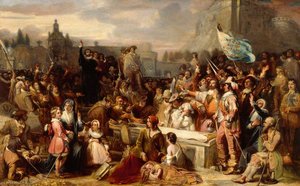
The painting titled The Slave Market, Constantinople is a work by the artist William Allan. This specific piece was created about 1838. The canvas measures 129 x 198 cm.

Uuendatud oktoober 2026 · järjestatud meie populaarsusindeksi järgi (otsingud, külastused ja tellimused igale teosele) · 56 teost Sir William Allan meie kataloogis
Lühidalt
Galleriist vaadatuna on Sir William Allan kõige kuulsam teos The Slave Market, Constantinople (1838), mille originaal ripub Scottish National Gallery-is, Edinburgh. The Signing of the National Covenant in Greyfriars Kirkyard, Edinburgh (1838) ja Tartar Robbers Dividing Spoil (1817) täidavad kolmikut, mille iga silm tunnistab. Kunstnii Sir William Allan 56 teose põhjal esitleb galeriis allpool 48 kõige kuulsumat, kus iga originaal on märgitud aastaga, muuseumiga ja kirjeldatud, mis teeb selle unikaalseks.
The painting titled The Slave Market, Constantinople is a work by the artist William Allan. This specific piece was created about 1838. The canvas measures 129 x 198 cm.

The oil painting titled The Signing of the National Covenant in Greyfriars Kirkyard, Edinburgh is a work by the artist William Allan. Created in 1838, this piece depicts the historical event of the signing of the National Covenant within the Greyfriars Kirkyard in Edinburgh. The scene captures a specific moment of religious and political significance in Scottish history.

The scene unfolds in Tartar Robbers Dividing Spoil, a work painted by William Allan around 1817. Within the shadows of a cavernous space, the tension of a sudden encounter hangs heavy in the air. The composition centers on the interaction between two men, their presence illuminated against the dark, textured stone of their surroundings. Every brushstroke captures a moment of high drama, frozen in time as the figures negotiate their…

This large-scale oil painting, created in 1824, presents a crowded and dynamic street scene reminiscent of a public disturbance or uprising. The composition is defined by a diagonal thrust, driven by a central group of people and a horse, which creates a sense of instability and movement. Within this chaotic scene, numerous figures are engaged in various actions; some are seen falling, others are gesturing, and many are observing the…

The air inside the room feels thick with the scent of woodsmoke and spilled ale. Shadows dance across the walls, cast by the flickering light of candles and the glowing embers of a fireplace. In this crowded, rustic space, a lively chaos unfolds as figures press together in a moment of boisterous celebration. There is a sense of movement in every corner; some guests lean in to share a whispered…

This black and white pen and ink drawing presents a study of form and gesture, focusing on a single male figure depicted in profile. The subject is a gentleman dressed in formal attire, including a hat and a coat, and he is shown holding what appears to be a walking stick or cane. The composition is characterized by its simplicity, placing the figure against a neutral background to emphasize the…

An older gentleman sits anchored at a desk, his presence filling the frame with a heavy, quiet gravity. The light falls across his features with a dramatic intensity, carving deep shadows into the folds of his coat and the lines of his face. He gazes outward, his eyes meeting the viewer in a direct, intimate connection that feels almost intrusive, as if we have stumbled upon a private moment of…

This work, titled Study for 'The Murder of David Rizzio', was painted by William Allan in 1833. It offers a glimpse into the artist's process, capturing a moment of intense preparation for a larger historical scene. The piece reflects the specific interests of an artist deeply engaged with the dramatic narratives of the nineteenth century.

The air thickens with the weight of a historical drama in The Murder of David Rizzio. Painted by William Allan in 1833, this work captures a moment of profound betrayal and royal tragedy. The scene freezes the violent 1566 assassination of David Rizzio, the Italian secretary to Mary Queen of Scots. Chaos erupts within the palace, a sudden fracture in the order of the court that leaves the viewer suspended…

 Matthew Hardie, Violin Maker1822
12
 Matthew Hardie (1755–1826), Violin Maker1822 · Šoti Rahvusportreegalerii
13
 William Hey (1736–1819)1815 · Leeds General Infirmary
14
 The Black Dwarf1831 · Scottish National Gallery
15
 Sir Walter Scott in His Study with His Dog 'Maida'1831 · Abbotsford House
16
 William Blackwood (1776–1834), Publisher1830 · Šoti Rahvusportreegalerii
17
 Sir Walter Scott (1771–1832), Novelist and Poet – Gala Day at Abbotsford1827 · Šoti Rahvusportreegalerii
18
 Sir Walter Scott with One of his Daughters1826 · Šoti Rahvusportreegalerii
19
 Sir Walter Scott, 1st Bt1831 · National Portrait Gallery
20
 The Facade of Abbotsford, seen through the Entrance Gate1832 · Scottish National Gallery
21
 The Shepherd's Grace1835
22
 The Bride of Abydos (from the poem by Byron)1836
23
 The Stirrup Cup1836 · Royal Scottish Academy of Art - Architecture
24
 Heroism and Humanity1840
25
 The Battle of Waterloo1843 · English Heritage
26
 The Recovery of the Stolen Child1841
27
 Sir Walter Scott (1771–1832), Novelist and Poet1844
28
 The Visit of Queen Victoria and Prince Albert to Hawthornden, 14 September 18421844 · Šoti Rahvusportreegalerii
29
 William Henry Murray (1790–1852), Actor and Manager of Theatre Royal, Edinburgh1848 · Šoti Rahvusportreegalerii
30
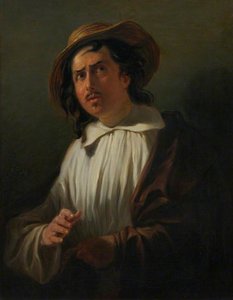 William Henry Murray (1790–1852), Actor and Manager of Theatre Royal, Edinburgh, as 'Paul Pry' (Crombie Sketchbook, fo.4)1843 · Šoti Rahvusportreegalerii
31
 An Officer of the 18th Regiment of (Light) Dragoons (Hussars), c.18151840
32
 Sir Walter Scott Dictating to His Daughter, Anne, in the Armoury at Abbotsford1844 · The National Trust For Scotland
33
 Highland Gillie and His Pony1850 · The Stirling Smith Art Gallery - Museum
34
 Frederick William Robert Stewart (1805–1872), Viscount Castlereagh, Later 4th Marquess of Londonderry, Wearing Hunting Costume1823 · National Trust
35
 Fair Maid of Perth
36
 The Ballad of Old Robin Gray1826
37
 The Battle of Bannockburn1850 · Royal Scottish Academy of Art - Architecture
38
 Bude harbour, DevonRahvuslik Mereväemuuseum
39
 Fair Maid of PerthUniversity of Edinburgh Fine Art Collection
40
 Field of Waterloo
41
 Christmas Eve
42
 The Battle of Cape St Vincent, 14 February 1797Rahvuslik Mereväemuuseum
43
 Mr Mackay of the Edinburgh Theatre as Baillie Nicol JarvieAbbotsford House
44
 James Russell, the ActorAbbotsford House
45
 The Bashkirs1814 · Hermitage muuseum
46
 The Murder of David Rizzio1833 · Scottish National Gallery
47
 The Orphan1838 · Royal Collection
48
 Frontier Guards (Circassian Prince on Horseback Selling Two Boys)1814 · Hermitage muuseum
Neli teemat, mis esinevad neis originaalkindel kõige sagedamini, ning iga teema parim näide.
Kümne 8 muuseumi kollektsioonid, mis sisaldavad kõige rohkem sellel lehel esitatud teoseid.
| Muuseumid | Linn | Sir William Allan teosid | Selle nimekirja maalid |
|---|---|---|---|
 Šoti Rahvusportreegalerii |
Edinburgh | 8 | James Hogg (1770–1835), Poet (The Ettrick Shepherd) (The Ettrick Shepherd's House Heating or The Celebration of his Birthday), Matthew Hardie (1755–1826), Violin Maker, William Blackwood (1776–1834), Publisher |
 Scottish National Gallery |
Edinburgh | 7 | The Slave Market, Constantinople, Compositional Sketch for 'Death of the Regent Moray', Study for 'The Murder of David Rizzio' |
 Royal Scottish Academy of Art - Architecture |
Edinburgh | 3 | Self Portrait, The Stirrup Cup, The Battle of Bannockburn |
 Abbotsford House |
Malvern | 3 | Sir Walter Scott in His Study with His Dog 'Maida', Mr Mackay of the Edinburgh Theatre as Baillie Nicol Jarvie, James Russell, the Actor |
 Rahvuslik Mereväemuuseum |
London | 2 | Bude harbour, Devon, The Battle of Cape St Vincent, 14 February 1797 |
 Hermitage muuseum |
Stiiitlinburg | 2 | The Bashkirs, Frontier Guards (Circassian Prince on Horseback Selling Two Boys) |
 The Company of Merchants of The City of Edinburgh |
Edinburgh | 1 | John Robertson |
 Leeds General Infirmary |
Leeds | 1 | William Hey (1736–1819) |
Vali vuosakülg, et näha selle ajastu definieerivat originaalteost.
The scene unfolds in Tartar Robbers Dividing Spoil, a work painted by William Allan around 1817. Within the shadows of a cavernous space, the tension of a sudden encounter hangs heavy in the air. The composition centers on the interaction between two men, their presence illuminated against the dark, textured stone of their surroundings. Every brushstroke captures a moment of high drama, frozen in time as the figures negotiate their…
This large-scale oil painting, created in 1824, presents a crowded and dynamic street scene reminiscent of a public disturbance or uprising. The composition is defined by a diagonal thrust, driven by a central group of people and a horse, which creates a sense of instability and movement. Within this chaotic scene, numerous figures are engaged in various actions; some are seen falling, others are gesturing, and many are observing the…
The painting titled The Slave Market, Constantinople is a work by the artist William Allan. This specific piece was created about 1838. The canvas measures 129 x 198 cm.


The Slave Market, Constantinople (1838), Scottish National Gallery, Edinburgh. Järgnevad The Signing of the National Covenant in Greyfriars Kirkyard, Edinburgh (1838) ja Tartar Robbers Dividing Spoil (1817).
56 aastat vanus: teos The Slave Market, Constantinople on pärinev aastast 1838 ning Sir William Allan sündis aastal 1782.
The Slave Market, Constantinople, The Signing of the National Covenant in Greyfriars Kirkyard, Edinburgh, Tartar Robbers Dividing Spoil, Compositional Sketch for 'Death of the Regent Moray', James Hogg (1770–1835), Poet (The Ettrick Shepherd) (The Ettrick Shepherd's House Heating or The Celebration of his Birthday), Joseph Mallord William Turner, Self Portrait, Study for 'The Murder of David Rizzio', The Murder of David Rizzio ja John Robertson. Ülemine reiting näitab iga teose puhul aastat ja muuseumi.
Meie kataloogist leiate 56 teost kunstnikult Sir William Allan, mis on pärinevad ajastust 1803 kuni 1850.
Peamiselt Šoti Rahvusportreegalerii (Edinburgh), Scottish National Gallery (Edinburgh) ja Royal Scottish Academy of Art - Architecture (Edinburgh) muuseumites. Ülalpool olevate muuseumite tabelis on nendest kõik loetletud.
Ajal 1830s: 16 48 sellel lehel olevat teost on sellel perioodil loodud, მათart közül The Slave Market, Constantinople.
Sellel lehel on kõige vanem teos John Robertson (1803) ja kõige värskeim Highland Gillie and His Pony (1850).
Men (5), Historical scene (4) ja People (3), kogu selle lehekülje 48 teose kohta.
Oil On Canvas, 7 teoseks 48 töödelt sellel lehel.
Romanticism, seda lähtudes selle lehe originaalteostest.
James Hogg (1770–1835), Poet (The Ettrick Shepherd) (The Ettrick Shepherd's House Heating or The Celebration of his Birthday), Matthew Hardie (1755–1826), Violin Maker ja William Blackwood (1776–1834), Publisher: Šoti Rahvusportreegalerii, Edinburgh säilitab 8 selle lehel olevat teost.
Sir William Allan (1782–1850) astub esile kui 19. sajandi skotianduse kunsti murdepunkt, ajaloolise maaliidu meistri, kes suutsid oskuslikult ühendada täpne realism ja emotsionaalne drama. Sündides Edimburgis silmapaistvasid kaupmeesperesse, oli tema kunstiline teekond suureltikas ise suunatud, kühastades end varajase eksponeerumisega kasvavas kunstimaastikul ning hiljem saades juhendust Sir Henry Raebumi poolt, kes oli Šoti Enlightenmenti üks juhtiv tegelasi. Allani töö ületab tavalise portreemaali piirid; see on elav kanga, mille niidid on kootud Skotianduse kultuurist, Venemaa intrigidest ja tema ajastu romantilistest vaimust. Tema pärand ulatub kaugele üle üksikute teostest, kujundades Šoti Riikliku Galerii identiteeti ning mõjutades terveid järgnevaid kunstnikutugivusi.
Allani kujunusaastad olid süvenenud Edimburgi kunstiringide traditsioonidesse. Kuigi tema ametlik koolitus oli piiratud, imetas ta endasse mõjutid John Grahamilt Trustees'i Akadeemias, koos tehnikatega, mida kasutasid David Wilkie ja Alexander George Fraser. See varajane kokkupuude kunstiga installeeris temasse sügava austuse detailide ja kompositsiooni vastu – omadused, mis määratasid tema eripärase stiili. Oluliselt tunnistas Raeburn Allani talent ja pakkus talle suunust, edustades arusaatust, et püüda kinni mitte ainult välimust, vaid ka iseloomu ja emotsiooni. See side Šoti Enlightenmentile kujundas sügavalt Allani kunstivisi, rõhutades tähelepanu, intellektktualistlikku uudishimu ning soovi esitada maailm täpselt ja nüanssitud.
Allanii karjääri määrava hetkeni oli tema otsus reisida Venemaale aastal 1805. Lõimitud idamaailma kultuuride fassinatiooniga ja sooviga leida kunstilist inspiratsiooni, alustas ta pikka peatumist, mis avaldas sügavalt mõju tema töule. Allan uputas end kosside, tšerkesse ja tataride igapäevasesse ellu, dokumenteerides hoolikalt nende kombeid, riietusi ja sotsiaalseid suhteid. Ta ei teinud pelgalt sketsid; ta suhtles aktiivselt nende kogukondadega, võides enda vastu usaldust ja saades ligipääsu stseenidele, mida lääne kunstnikud haruldased nägid. See süvenemine andis vastuse maalidest, mis pakkusid ühestupärast vaadet Venemaa ühiskonnale – teemale, mida Euroopa kunst sel ajal suurelt määramatu hoidis.
Tema kõige kuulsamad teosed sellest perioodist on "Tšerkesse vangid", kurb esitus naistest, kes ootavad oma saatusest, ning "Venemaa talupoerad peavad püha", mis tabab maapiirkonna pidu jõudusamuse. Need maalid on märkimisväärsed mitte ainult tehnilise oskuse, vaid ka marginaliseeritud kogukondade empaatilise kujutamise poolest. Allani lähenemine oli revolutsiooniline; ta püüdis neid kultuure esitada austusega ja arusaatusega, liikudes kaugemale stereotüüpsest kujutlusest, mida sageli leidis varasematest teostest.
Allani kunstistili iseloomustab hämmastav realismi ja romantika segu. Tal oli erakordne võime kujundada tekstuure – kosside riiete karke villast kuni tšerkesse ehteite säravate pindudeni – hämmastava täpsusega. Tema kompositsioonid on sageli dünaamilised, kasutades dramaatilist valgustust ja hoolikalt asetatud figuure, et luua liikumise ja narratiivi tunnet. Värv mängib tema töös kriitilist rolli, seda ei kasutata pelgalt dekoratiivseks efektiks, vaid meeleolu ja atmosfääri edustamiseks.
Olulised teosed nagu "John Renny portret" näitavad tema oskust tabada oma teema sarnast välimust ja isikupära. Iseportret, mida maalis hilisemalt oma elus, paljastab mõtteliku pilgu ja peidetud teadlikkuse oma vananemisest. "Vana Robin Grayi ballaad", kurb kujustus vanane mehest, kes meenutab oma minevikku, demonstreerib Allani võimet tekitada emotsioone läbi žesti ja avalduse. Need maalid koos teistega, mis asuvad Šoti Riiklikus Galerii kollektsioonis, näitavad tema kunstilise stiili märkimisväärset arengut – varajastest John Opie'i mõjutidest kuni küpsema ja nüansseeritumata lähenemiseni.
Sir William Allani mõju Šotianduse kunstile ulatub kaugele tema üksikate saavutuste üle. Ta mängis olulist rolli Šoti Riikliku Portreigalleria asutamisel, panudes märkimisväärselt panuse selle kogumisse ja kujundades selle identiteeti kui Šoti kunstipärandi hoidlana. Tema töö aitas tõsta Šoti maali staatust laiemas Euroopa kunstimaailmas, es挑战des valitsevaid arvamusi sellest, mis on "tõsine" kunst.
Allani pärand peegeldub ka järgnevate Šoti kunstnike põlvkonnade teostes. Ta demonstreeris kohaliku kultuuri ja traditsioonide uurimise tähtsust, julgustades Skotianduse autentsemat ja nüansseeritumat esitamine linale. Tema pühendumus detailidele, võime tabada emotsioone ja soov uurida ebatavalisi teemasid inspireerivad kunstnikke siiani. Allani maalide igavene atraktiivsus peitub mitte ainult nende tehnilises briljantsis, vaid ka sügavates vaadetel inimlikku olukorda ning Šoti ja Venemaa elu rikkalikku kanga.

