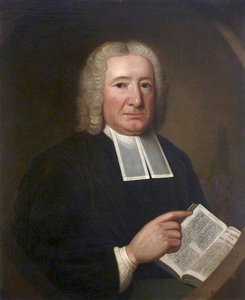
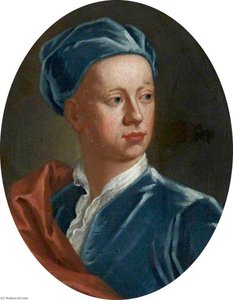
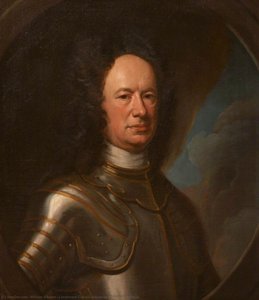
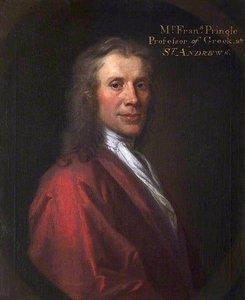
William Aikman portree

65 kulubumatamatumat William Aikman maalist, millist on vaid üks

Uuendatud november 2026 · järjestatud meie populaarsusindeksi järgi (otsingud, külastused ja tellimused igale teosele) · 73 teost William Aikman meie kataloogis

Lühidalt

John Campbell, Second Duke of Argyll and Duke of Greenwich (1680-1743) (1709) on William Aikman maalide kõige silmapaistvam teos; originaal kuulub museumi Royal Collection, London. Pärast seda suunatakse pilk Anne Dalrymple, Lady Steuart, d. 1736 (1710) ja James Gibbs (1682-1754) holding a Plan of St Mary le Strand, London (1713) suunas. Meie kataloogis olevatest William Aikman 73 teosest on need 65 kõige kuulsumat, millist igaüks on esitatud koos aasta, muuseumi ja põhjusega, miks teos on püsiv.

1682 – 1731, Aberdeenshire Neoclassicism Enamama teoseid: Šoti Rahvusportreegalerii

William Aikman top 10 maalist galeriist vaatenurgast

1
John Campbell, Second Duke of Argyll and Duke of Greenwich (1680-1743) (1709) (autor) William Aikman

John Campbell, Second Duke of Argyll and Duke of Greenwich (1680-1743)

1709 · Oil On Canvas · Royal Collection, London

The subject of this oil on canvas is John Campbell, Second Duke of Argyll and Duke of Greenwich. He is depicted in a vertical, three-quarter length pose, positioned slightly off-center against a background of heavy dark drapery and a distant, hazy landscape. The sitter wears a deep crimson coat accented by metallic silver and gold details, paired with a bright blue sash. His posture is upright, conveying a sense of…

2
Anne Dalrymple, Lady Steuart, d. 1736 (1710) (autor) William Aikman

Anne Dalrymple, Lady Steuart, d. 1736

1710 · Oil On Canvas · Šoti Rahvusportreegalerii, Edinburgh

This three-quarter length portrait presents Anne Dalrymple, Lady Steuart, d. 1736, captured by the hand of William Aikman. Painted about 1710, the work fixes the subject in a moment of quietude. She exists within a space of soft light and deep shadow, her presence defined by the stillness of her posture. The artist, William Aikman, focuses on the steady gaze of the sitter, anchoring the composition with her steady, pale…

3
James Gibbs (1682-1754) holding a Plan of St Mary le Strand, London (1713) (autor) William Aikman

James Gibbs (1682-1754) holding a Plan of St Mary le Strand, London

1713 · Oil On Canvas · Wimpole Hall

The air in the studio feels heavy and still as the light catches the fine, white powder of a meticulously styled wig. We find ourselves in the presence of an older man, his gaze fixed forward with a quiet, steady intensity that suggests a mind preoccupied with geometry and stone. He sits in a three-quarter pose, his dark brown coat absorbing the shadows of the room, while a crisp white…

4
Archibald Campbell, Earl of Ilay, later 3rd Duke of Argyll (1682-1761) (1715) (autor) William Aikman

Archibald Campbell, Earl of Ilay, later 3rd Duke of Argyll (1682-1761)

1715 · Oil On Canvas · Royal Collection, London

Archibald Campbell, Earl of Ilay, later 3rd Duke of Argyll, occupies the space with a commanding stillness that demands immediate recognition. He stands in a vertical three-quarter length pose, his figure cutting a sharp silhouette against a dark, muted background of umber and black. A single light source from the upper left sweeps across the scene, catching the pale sheen of his wig and the luminous texture of his skin.…

5
Patie Birnie, the Fiddler of Kinghorn (1721) (autor) William Aikman

Patie Birnie, the Fiddler of Kinghorn

1721 · Oil On Canvas · Šoti Rahvusportreegalerii, Edinburgh

The air feels heavy with the scent of aged wood and wool as Patie Birnie, the Fiddler of Kinghorn, meets our gaze. He sits in a three-quarter pose, his body angled slightly away while his eyes lock onto ours with a warmth that suggests a shared joke or a song just about to begin. A gentle smile creases his weathered face, softening the deep lines carved by years of laughter…

6
Sir Thomas Saunders Sebright, 4th Bt (1692-1736) or Mr Crawley (1730) (autor) William Aikman

Sir Thomas Saunders Sebright, 4th Bt (1692-1736) or Mr Crawley

1730 · Oil On Canvas · Blickling Hall

A single figure occupies the center of this vertical landscape, a man caught in a moment of poised stillness. He wears a grey frock coat, its surface punctuated by the hard glint of silver buttons. Beneath the coat, a blue tunic reveals a pattern of brown damask braid, a subtle detail against the pale skin of his neck. A white cravat is knotted precisely, leading the eye upward to a…

7
An Unfinished Study of the Head of James Thomson (1725) (autor) William Aikman

An Unfinished Study of the Head of James Thomson

1725 · Oil · Yale Center for British Art, New Haven

In this unfinished oil study, the young man James Thomson emerges from a haze of muted tones. William Aikman captures a fleeting moment of quietude, freezing the subject in a three-quarter view as he gazes toward the right. The portrait feels immediate, as if the artist has just stepped back to observe the play of light across a face that is still being brought into being. It is a glimpse…

8
Henry Kelsall (1692–1762) (1729) (autor) William Aikman

Henry Kelsall (1692–1762)

1729 · Oil On Canvas · National Trust, Norwich

In this 1729 portrait, we encounter Henry Kelsall, a man whose presence commands the space he occupies. He is depicted in a full-length pose, standing with a quiet authority that suggests a life of significant social standing. The composition is traditional, placing him centrally against a backdrop that hints at a stately interior. A heavy red curtain drapes to one side, providing a deep, saturated contrast to the cool tones…

9
Sir Robert Walpole (1676–1745), 1st Earl of Orford, KG (1730) (autor) William Aikman

Sir Robert Walpole (1676–1745), 1st Earl of Orford, KG

1730 · Oil On Canvas · National Trust, Norwich

This oil on canvas portrait, dating to 1730, depicts Sir Robert Walpole, 1st Earl of Orford, KG. The subject is presented in a three-quarter pose, facing slightly to the left, and occupies most of the frame. He is dressed in elaborate robes that signify wealth, power, and rank. The composition is centered, with the figure set against a dark and indistinct background that serves to highlight the subject. The lighting…

10
Dorothy Boyle (1699–1758), Countess of Burlington (1728) (autor) William Aikman

Dorothy Boyle (1699–1758), Countess of Burlington

1728 · Oil On Canvas

In this 1728 oil on canvas, we encounter Dorothy Boyle, Countess of Burlington, presented in a formal, waist-up portrait. She gazes toward the viewer with a composure that suggests a life lived within the highest circles of British nobility. The composition is intimate, utilizing an oval frame to focus our attention entirely upon her figure against a muted, neutral brown background. There is a quietude in her expression, a seriousness…

William Aikman kuulsad maalid, numbrid 11 kuni 65

11Caroline of Brandenburg Ansbach (1683–1737), and Her Son Prince William Augustus (1721–1765), Duke of Cumberland (1730) (autor) William AikmanCaroline of Brandenburg Ansbach (1683–1737), and Her Son Prince William Augustus (1721–1765), Duke of Cumberland1730 · National Trust 12James Hadow (autor) William AikmanJames HadowUniversity of St Andrews muuseum 13George Alexander (1704) (autor) William AikmanGeorge Alexander1704 14Robert Geddes, FRCSEd (1709) (1709) (autor) William AikmanRobert Geddes, FRCSEd (1709)1709 · The Royal College of Surgeons of Edinburgh 15John Lauder (c.1680–1737), FRCSEd (1709) (1700) (autor) William AikmanJohn Lauder (c.1680–1737), FRCSEd (1709)1700 · The Royal College of Surgeons of Edinburgh 16Robert Clerk (1664–1720), FRCSEd (1689) (1700) (autor) William AikmanRobert Clerk (1664–1720), FRCSEd (1689)1700 · The Royal College of Surgeons of Edinburgh 17John Gay, Poet and Dramatist (1720) (autor) William AikmanJohn Gay, Poet and Dramatist1720 18James Thomson, Poet (1720) (autor) William AikmanJames Thomson, Poet1720 19John Campbell, 2nd Duke of Argyll and Greenwich, Soldier and Statesman (1720) (autor) William AikmanJohn Campbell, 2nd Duke of Argyll and Greenwich, Soldier and Statesman1720 20James Thomson (1700–1748), Poet (1720) (autor) William AikmanJames Thomson (1700–1748), Poet1720 · Šoti Rahvusportreegalerii 21Allan Ramsay (1684–1758), Poet (1722) (autor) William AikmanAllan Ramsay (1684–1758), Poet1722 · Šoti Rahvusportreegalerii 22John Gay (1685–1732), Poet and Dramatist (1720) (autor) William AikmanJohn Gay (1685–1732), Poet and Dramatist1720 · Šoti Rahvusportreegalerii 23John McGill (d.1735), FRCSEd (1710) (1711) (autor) William AikmanJohn McGill (d.1735), FRCSEd (1710)1711 · The Royal College of Surgeons of Edinburgh 24Sir Patrick Hume (1641–1724), 1st Earl of Marchmont, Statesman (1720) (autor) William AikmanSir Patrick Hume (1641–1724), 1st Earl of Marchmont, Statesman1720 · Varssavi Rahvusmuuseum 25William Aikman (1682–1731), Artist, Self Portrait (1711) (autor) William AikmanWilliam Aikman (1682–1731), Artist, Self Portrait1711 · Šoti Rahvusportreegalerii 26John Campbell (1680–1743), 2nd Duke of Argyll and Greenwich, Soldier and Statesman (1720) (autor) William AikmanJohn Campbell (1680–1743), 2nd Duke of Argyll and Greenwich, Soldier and Statesman1720 · Šoti Rahvusportreegalerii 27John Monro (1670–1740), FRCSEd (1703) (1715) (autor) William AikmanJohn Monro (1670–1740), FRCSEd (1703)1715 · The Royal College of Surgeons of Edinburgh 28Lieutenant Colonel Alexander Campbell of Finab (1715) (autor) William AikmanLieutenant Colonel Alexander Campbell of Finab1715 · The Black Watch Castle - Museum 29Field Marshal Sir Robert Rich (1685–1768), 4th Bt (1729) (autor) William AikmanField Marshal Sir Robert Rich (1685–1768), 4th Bt1729 · National Trust 30Francis Pringle, Professor of Greek at St Andrews (1723) (autor) William AikmanFrancis Pringle, Professor of Greek at St Andrews1723 · University of St Andrews muuseum 31Sir Thomas Saunders Sebright (1692–1736), 4th Bt (or 'Mr Crawley') (1730) (autor) William AikmanSir Thomas Saunders Sebright (1692–1736), 4th Bt (or 'Mr Crawley')1730 · National Trust 32Colonel Harbord Harbord (1675 –1742) (Harbord Cropley) (1732) (autor) William AikmanColonel Harbord Harbord (1675 –1742) (Harbord Cropley)1732 · National Trust 33Sir John Cope (1690–1760) (1730) (autor) William AikmanSir John Cope (1690–1760)1730 · National Trust 34Edmund Prideaux (1693–1745) (detail) (1730) (autor) William AikmanEdmund Prideaux (1693–1745) (detail)1730 · National Trust 35Sir William Harbord (1696 –1770), MP, KB (1729) (autor) William AikmanSir William Harbord (1696 –1770), MP, KB1729 · National Trust 36Thomas Coke (1697–1759), 1st Earl of Leicester (1731) (autor) William AikmanThomas Coke (1697–1759), 1st Earl of Leicester1731 · National Trust 37Sir William Leman (d.1741), 2nd Bt of Northaw, Hertfordshire (1729) (autor) William AikmanSir William Leman (d.1741), 2nd Bt of Northaw, Hertfordshire1729 · National Trust 38William Kent (1725) (autor) William AikmanWilliam Kent1725 · National Portrait Gallery 39Sir Charles Blois (1657–1738), 1st Bt, MP for Ipswich and Dunwich (1725) (autor) William AikmanSir Charles Blois (1657–1738), 1st Bt, MP for Ipswich and Dunwich1725 40John Hay, 4th Marquess of Tweeddale, Lord Justice General for Scotland (1728) (autor) William AikmanJohn Hay, 4th Marquess of Tweeddale, Lord Justice General for Scotland1728 41Sir Gilbert Elliot (1693–1766), 1st Lord Minto (1726) (autor) William AikmanSir Gilbert Elliot (1693–1766), 1st Lord Minto1726 · Šoti Rahvusportreegalerii 42Sir Henry Harpur (1708–1748), 5th Bt (1728) (autor) William AikmanSir Henry Harpur (1708–1748), 5th Bt1728 · National Trust 43Mary Savile (1700–1751), Countess of Thanet (1728) (autor) William AikmanMary Savile (1700–1751), Countess of Thanet1728 44John St John (1702–1748), 2nd Viscount St John (1742) (autor) William AikmanJohn St John (1702–1748), 2nd Viscount St John1742 · Lydiard House 45Adam Cockburn, Lord Ormiston, 1656 - 1735. Lord Justice-Clerk (autor) William AikmanAdam Cockburn, Lord Ormiston, 1656 - 1735. Lord Justice-ClerkŠoti Rahvusportreegalerii 46Sir James Steuart, 1st Baronet, of Goodtrees and Coltness, 1681 - 1727 (autor) William AikmanSir James Steuart, 1st Baronet, of Goodtrees and Coltness, 1681 - 1727Šoti Rahvusportreegalerii 47John Dalrymple (1673–1747), 2nd Earl of Stair or John Campbell (1680–1743), Duke of Argyll and Greenwich (autor) William AikmanJohn Dalrymple (1673–1747), 2nd Earl of Stair or John Campbell (1680–1743), Duke of Argyll and Greenwich 48Lady Anne Maxwell (autor) William AikmanLady Anne Maxwell 49John Erskine, 14th of Dun, Son of Lord Dun, Aged 10 (autor) William AikmanJohn Erskine, 14th of Dun, Son of Lord Dun, Aged 10 50Landscape with a River (autor) William AikmanLandscape with a River 51Katherine Erskine, Daughter of Sir Charles Erskine of Alva, Wife of Patrick Campbell of Monzie (autor) William AikmanKatherine Erskine, Daughter of Sir Charles Erskine of Alva, Wife of Patrick Campbell of Monzie 52Elizabeth Graham of Airth (autor) William AikmanElizabeth Graham of AirthThe National Trust For Scotland 53John Erskine (1712–1787), 14th of Dun, Son of Lord Dun, Aged 10 (autor) William AikmanJohn Erskine (1712–1787), 14th of Dun, Son of Lord Dun, Aged 10National Trust for Scotland 54Self Portrait (autor) William AikmanSelf PortraitScottish National Gallery 55Elizabeth Ogilvy, Countess of Lauderdale (autor) William AikmanElizabeth Ogilvy, Countess of Lauderdale 56John Lumsden of Blanearn (autor) William AikmanJohn Lumsden of BlanearnThe National Trust For Scotland 57Charles Maitland (1688–1744), 6th Earl of Lauderdale (autor) William AikmanCharles Maitland (1688–1744), 6th Earl of Lauderdale 58Rachel Graham, Wife of John Lumsden of Blanearn (autor) William AikmanRachel Graham, Wife of John Lumsden of BlanearnThe National Trust For Scotland 59David Erskine (1672–1758), 13th of Dun, in the Robes of the Court of Session (autor) William AikmanDavid Erskine (1672–1758), 13th of Dun, in the Robes of the Court of SessionNational Trust for Scotland 60Anne Erskine (1709–1735), Daughter of Lord Dun and Wife Successively of James, 9th Earl of Airlie and Sir Alexander Macdonald (autor) William AikmanAnne Erskine (1709–1735), Daughter of Lord Dun and Wife Successively of James, 9th Earl of Airlie and Sir Alexander MacdonaldNational Trust for Scotland 61George Watson (1654–1723) (autor) William AikmanGeorge Watson (1654–1723)The Merchant's Hall 62Walter Scott, 'Beardie' (1679–1729), Great Grandfather of Sir Walter Scott (autor) William AikmanWalter Scott, 'Beardie' (1679–1729), Great Grandfather of Sir Walter ScottAbbotsford House 63Susanna Kennedy (1689–1780), Countess of Eglinton, Third Wife of the 9th Earl of Eglinton, Patroness of Letters (autor) William AikmanSusanna Kennedy (1689–1780), Countess of Eglinton, Third Wife of the 9th Earl of Eglinton, Patroness of LettersŠoti Rahvusportreegalerii 64Sir James Campbell of Lawers and Rowallan (1667–1745), Soldier (autor) William AikmanSir James Campbell of Lawers and Rowallan (1667–1745), SoldierŠoti Rahvusportreegalerii 65John Campbell, 2nd Duke of Argyll and Duke of Greenwich (1725) (autor) William AikmanJohn Campbell, 2nd Duke of Argyll and Duke of Greenwich1725 · National Portrait Gallery

William Aikman kuulsaimad maalid ajastult ajastule

Teemad, mis püüdisid William Aikman pilma

Neli teemat, mis esinevad neis originaalkindel kõige sagedamini, ning iga teema parim näide.

Muuseumid, kus on säilitatud William Aikman originaalteosed

Kümne 8 muuseumi kollektsioonid, mis sisaldavad kõige rohkem sellel lehel esitatud teoseid.

Muuseum Linn William Aikman teosed Selle nimekirja maalid
Šoti Rahvusportreegalerii, EdinburghŠoti Rahvusportreegalerii Edinburgh 12 Anne Dalrymple, Lady Steuart, d. 1736, Patie Birnie, the Fiddler of Kinghorn, James Thomson (1700–1748), Poet
National Trust, NorwichNational Trust Norwich 10 Henry Kelsall (1692–1762), Sir Robert Walpole (1676–1745), 1st Earl of Orford, KG, Field Marshal Sir Robert Rich (1685–1768), 4th Bt
The Royal College of Surgeons of Edinburgh, EdinburghThe Royal College of Surgeons of Edinburgh Edinburgh 5 Robert Geddes, FRCSEd (1709), John Lauder (c.1680–1737), FRCSEd (1709), Robert Clerk (1664–1720), FRCSEd (1689)
The National Trust For Scotland, EdinburghThe National Trust For Scotland Edinburgh 3 Elizabeth Graham of Airth, John Lumsden of Blanearn, Rachel Graham, Wife of John Lumsden of Blanearn
National Trust for Scotland, MontroseNational Trust for Scotland Montrose 3 John Erskine (1712–1787), 14th of Dun, Son of Lord Dun, Aged 10, David Erskine (1672–1758), 13th of Dun, in the Robes of the Court of Session, Anne Erskine (1709–1735), Daughter of Lord Dun and Wife Successively of James, 9th Earl of Airlie and Sir Alexander Macdonald
Royal Collection, LondonRoyal Collection London 2 John Campbell, Second Duke of Argyll and Duke of Greenwich (1680-1743), Archibald Campbell, Earl of Ilay, later 3rd Duke of Argyll (1682-1761)
University of St Andrews muuseum, St AndrewsUniversity of St Andrews muuseum St Andrews 2 James Hadow, Francis Pringle, Professor of Greek at St Andrews
National Portrait Gallery, LondonNational Portrait Gallery London 2 William Kent, John Campbell, 2nd Duke of Argyll and Duke of Greenwich

William Aikman aastakatega: iga aastakannaga üks unikaalne originaal

Teosed aastakate kaupa

Vali vuosakülg, et näha selle ajastu definieerivat originaalteost.

William Aikman maalid: küsimused galeriile

Mis on William Aikman kõige kuulsam teos?Paljasta vastus

John Campbell, Second Duke of Argyll and Duke of Greenwich (1680-1743) (1709), Royal Collection, London. Järgnevad Anne Dalrymple, Lady Steuart, d. 1736 (1710) ja James Gibbs (1682-1754) holding a Plan of St Mary le Strand, London (1713).

Mis vanuses luunud William Aikman teos John Campbell, Second Duke of Argyll and Duke of Greenwich (1680-1743)?Paljasta vastus

27 aastat vanus: teos John Campbell, Second Duke of Argyll and Duke of Greenwich (1680-1743) on pärinev aastast 1709 ning William Aikman sündis aastal 1682.

Millised on William Aikman kümneks kuulsumat maalatist?Paljasta vastus

John Campbell, Second Duke of Argyll and Duke of Greenwich (1680-1743), Anne Dalrymple, Lady Steuart, d. 1736, James Gibbs (1682-1754) holding a Plan of St Mary le Strand, London, Archibald Campbell, Earl of Ilay, later 3rd Duke of Argyll (1682-1761), Patie Birnie, the Fiddler of Kinghorn, Sir Thomas Saunders Sebright, 4th Bt (1692-1736) or Mr Crawley, An Unfinished Study of the Head of James Thomson, Henry Kelsall (1692–1762), Sir Robert Walpole (1676–1745), 1st Earl of Orford, KG ja Dorothy Boyle (1699–1758), Countess of Burlington. Ülemine reiting näitab iga teose puhul aastat ja muuseumi.

Kui palju teoseid kunstniku William Aikman kohta on teada?Paljasta vastus

Meie kataloogist leiate 73 teost kunstnikult William Aikman, mis on pärinevad ajastust 1700 kuni 1731.

Kust saab näha kõige kuulsamaid William Aikman originaalteoseid?Paljasta vastus

Peamiselt Šoti Rahvusportreegalerii (Edinburgh), National Trust (Norwich) ja The Royal College of Surgeons of Edinburgh (Edinburgh) muuseumites. Ülalpool olevate muuseumite tabelis on nendest kõik loetletud.

Mille perioodi jooksul lõi William Aikman oma tuntumad maalid?Paljasta vastus

Ajal 1720s: 23 65 sellel lehel olevat teost on sellel perioodil loodud, sellest Patie Birnie, the Fiddler of Kinghorn.

Milline kuuls William Aikman maal on kõige varasem ja milline kõige hiljema?Paljasta vastus

Sellel lehel on kõige vanem teos John Lauder (c.1680–1737), FRCSEd (1709) (1700) ja kõige värskeim Thomas Coke (1697–1759), 1st Earl of Leicester (1731).

Millist teemasid William Aikman eelistas?Paljasta vastus

Man (46), Portrait (17) ja Wig (12), kogu selle lehekülje 65 teose kohta.

Mida William Aikman kõige rohkem kasutas oma maalide nimiseks?Paljasta vastus

Oil On Canvas, 44 teoseks 65 töödelt sellel lehel.

Millisse toomangu kuulub William Aikman teos?Paljasta vastus

Neoclassicism, seda lähtudes selle lehe originaalteostest.

Mida William Aikman originaalte ma näen Šoti Rahvusportreegalerii muuseumis?Paljasta vastus

Anne Dalrymple, Lady Steuart, d. 1736, Patie Birnie, the Fiddler of Kinghorn ja James Thomson (1700–1748), Poet: Šoti Rahvusportreegalerii, Edinburgh säilitab 12 selle lehel olevat teost.

William Aikman: kunstniku portree

Šotlise valgustusajastu hing: William Aikman'i elu ja kunst

Liikuvas অষ্টsadaalises Šotlise intellektuaalses maastikus on väheseid tegelasi, kes kehastas visuaalse kunstilise täiuslikkuse ja kirjandliku sügavuse harmoonilist ühtsust nii graatsiliselt kui William Aikman. Sündinud 1682. aastal peres, kes ette kujutati tema tulevikku õigusteaduse rangestes saalides, valis Aikman lõpuks palju emotsionaalsemad ja eteerilisemad teed. Selle asemel, et püüda järjekindlalt õiguse kuivaid keerukusi, antis ta end pintslile, muutudes portretistiks, kelle tööd pidasid vangistama Šotlise valgustusajastu olemust. Tema elu ei olnud pelgalt tehnilise meistriomava ning sügav mõju otsimine, vaid sügav enesekindel kaasamine humanistlike ideaalidega, mis olid algamas Euroopa teadlikkuse ümbervormistamine.

Aikmani kunstiline identiteet sai alguse tema vormingasaastadel Edinburghi ülikoolis. Just siin sõlmis ta püsiva ja transformatiivse sideme Allan Ramsay-ga, Doriment traditsiooni kuulsama luuletaja. See sõprus oli palju rohkem kui pelgalt sotsiaalne side; see oli ühine intellektuaalne teekond. Ramsay kaudu süvenes Aikman sügavalmasid poeetilisse etosse, mida iseloomustas siirus, emotsionaalne resonants ja looduse peen imetlus. See kirjanduslik tundlikkus avalikus pärast tema maalidest, andes tema subjektele psühholoogilist sügavust ja vaikset väärikust, mis läbis pelgasse füüsilise järjekindluse dokumenteerimise.

Teekond klassikalise suurejoonelisuse juurde

Otes oma kasvava talendi täiendavat arendamist, otsis Aikman ranget koolitust Londonist, kus ta kohtus itaidliku neoklassicismi kasvava mõjuga. Kuid tema tõeline kunstiline metamorfoos toimus tema laialdaste reiside ajal läbi Itaalia. Sukeldudes Renessansi sünniluusse, õppis Aikman hoolikalt meistreid, leidides sügavat inspiratsiooni Raphael ja Michelangelo tasakaalustatud kompositsioonidest ja ideaalsetest vormidest. See palgatusreise võimaldas tal omastada antikviidi printsiipideid, integreerides oma portretistlikku stiili struktuurilist püsivust ja klassikalist elegantsi.

Pärast Šotlisse naasmist ilmus Aikmani stiil kui süsteemne segu põhja tundlikkusest ja lõuna suurejoonelisusest. Tema tööd iseloomustas rahulik elegants, vältides baroki liigset dramaatilisi ilukõikust ning eelistades pigem kompositorlikku ja mõttevaid esitlust. Tal oli märkimisväärne võime kujutada tekstureid — siigi peen sära, sameti kaal ja naha pehmus — täpsusega, mis tundus nii elav kui ka kunstilise ideaali tõstetud. Tema portreid ei olnud pelgalt peegelduseks kooditud pildid, vaid olid täidetud iseloomuga ja intellektuaalse kohalolunõudmisega.

Patroonlus, pärand ja ajalooline tähendus

Lisaks oma individuaalsetele tehnilistele saavutustele mängis Aikman kriitilist rolli oma ajastu kultuurilises ökosüsteemis. Ta oli oluline sild kunstilma ja kirjanduse vahel, toimides varajase toetajana sellistele tegelastele nagu James Thomson. Kasutades oma sotsiaalseid kontakte, et tagada patroonlus mõjuvate figureid nagu Robert Walpole, aitas Aikman luua keskkonda, kus šotlaste intellektuaalid saavad väljuda laiemal Euroopa areenil. Tema võime navigeerida võimukorridorides, säilitades samal ajal oma kunstilist puhtust, tegi temast keskne tegelane Edinburghi kasvavas kultuurilises renessanssis.

William Aikmani pärand on peitnud tema portretide vaikses tugevuses, mis jätkavad toimimast azoo, mis on määratud järjepideva mõtlemise ja rafineerumusega, akendeid sisevaatamiseks. Tema panustu võib kokkuvõta tema karjääri mitme olulise sambaga:

  • Kunstide süntees: Ta ühendas edukalt itaidliku neoklassicismi visuaalse keele ja šotlise poe emotsionaalse siirsu.
  • Kultuuriline hooldus: Oma patroonluse ja sidemetega aitas ta tõsta šotlaste intellektuaalide staatust Briti saartel.
  • Tehniline meistriomavõime: Tema pühendumus Vana Maailma meistrite õppimisele võimaldas tal tutvustada Šotlise portretistlikule stiilile klassikalist sofistikatsiooni, mida varem ei olnud nähtud.
  • Püsiv mõju: Tema töö on oluline mõõdik XVIII-sasi valgustusajastu esteetiliste ja intellektuaalsete voolude mõistmiseks.

Kuigi tema elu oli suhteliselt lühike, lõppides aastal 1731, on William Aikmani mõju jäänu Briti kunsti historya.