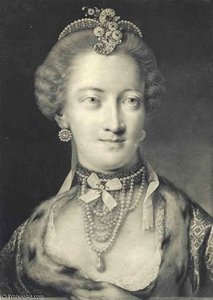
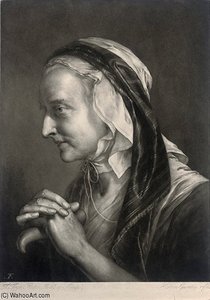
Thomas Frye portree

40 kulubumatamatumat Thomas Frye maalist, millist on vaid üks

Uuendatud november 2026 · järjestatud meie populaarsusindeksi järgi (otsingud, külastused ja tellimused igale teosele) · 40 teost Thomas Frye meie kataloogis

Lühidalt

Thomas Frye (1759) on Thomas Frye maalide kõige silmapaistvam teos; originaal kuulub museumi National Portrait Gallery, London. Pärast seda suunatakse pilk Portrait of Sir Charles Kemeys-Tynte, Baronet (1710-1785) (1739) ja Portrait of John Allen of Bridgewater (1739) suunas. Meie kataloogis olevatest Thomas Frye 40 teosest on need 40 kõige kuulsumat, millist igaüks on esitatud koos aasta, muuseumi ja põhjusega, miks teos on püsiv.

1710 – 1762, Dublin Enamama teoseid: National Gallery of Ireland

Thomas Frye top 10 maalist galeriist vaatenurgast

1
Thomas Frye (1759) autor Thomas Frye

Thomas Frye

1759 · Oil On Canvas · National Portrait Gallery, London

Created in 1759, this oil on canvas work presents the artist, Thomas Frye, as his own subject. The portrait captures the man in a three-quarter view, presenting a formal and somber appearance. He is depicted with light-colored, powdered hair that contrasts against the darker tones of his attire. A dark jacket and a white neckcloth define his clothing, grounding the figure within a restrained, eighteenth-century aesthetic.

Thomas Frye kuulsad maalid, numbrid 11 kuni 40

Teemad, mis püüdisid Thomas Frye pilma

Neli teemat, mis esinevad neis originaalkindel kõige sagedamini, ning iga teema parim näide.

Muuseumid, kus on säilitatud Thomas Frye originaalteosed

Kümne 7 muuseumi kollektsioonid, mis sisaldavad kõige rohkem sellel lehel esitatud teoseid.

Muuseumid Linn Thomas Frye teosid Selle nimekirja maalid
National Gallery of Ireland, DublinNational Gallery of Ireland Dublin 3 Portrait of Sir Charles Kemeys-Tynte, Baronet (1710-1785), Portrait of John Allen of Bridgewater, Portrait of Susannah Walker
National Portrait Gallery, LondonNational Portrait Gallery London 1 Thomas Frye
Royal Collection, LondonRoyal Collection London 1 Frederick, Prince of Wales (1707-1751)
Yale Center for British Art, New HavenYale Center for British Art New Haven 1 A Woman, Traditionally Identified as Mrs.Wardle
Metropolitan Museum of Art, New YorkMetropolitan Museum of Art New York 1 Untitled (D2WVNF)
Nationalmuseum, StockholmNationalmuseum Stockholm 1 Unknown man
Šoti Rahvusportreegalerii, EdinburghŠoti Rahvusportreegalerii Edinburgh 1 Richard Leveridge

Thomas Frye aastakatega: iga aastakannaga üks unikaalne originaal

Teosed aastakate kaupa

Vali vuosakülg, et näha selle ajastu definieerivat originaalteost.

Thomas Frye maalid: küsimused galeriile

Mis on Thomas Frye kõige kuulsam teos?Paljasta vastus

Thomas Frye (1759), National Portrait Gallery, London. Järgnevad Portrait of Sir Charles Kemeys-Tynte, Baronet (1710-1785) (1739) ja Portrait of John Allen of Bridgewater (1739).

Mis vanuses luunud Thomas Frye teos Thomas Frye?Paljasta vastus

49 aastat vanus: teos Thomas Frye on pärinev aastast 1759 ning Thomas Frye sündis aastal 1710.

Millised on Thomas Frye kümneks kuulsumat maalatist?Paljasta vastus

Thomas Frye, Portrait of Sir Charles Kemeys-Tynte, Baronet (1710-1785), Portrait of John Allen of Bridgewater, Frederick, Prince of Wales (1707-1751), A Woman, Traditionally Identified as Mrs.Wardle, Portrait of Susannah Walker, Untitled (D2WVNF), Unknown man, The Observer ja Untitled. Ülemine reiting näitab iga teose puhul aastat ja muuseumi.

Kui palju teoseid kunstniku Thomas Frye kohta on teada?Paljasta vastus

Meie kataloogist leiate 40 teost kunstnikult Thomas Frye, mis on pärinevad ajastust 1739 kuni 1760.

Kust saab näha kõige kuulsamaid Thomas Frye originaalteoseid?Paljasta vastus

Peamiselt National Gallery of Ireland (Dublin), National Portrait Gallery (London) ja Royal Collection (London) muuseumites. Ülalpool olevate muuseumite tabelis on nendest kõik loetletud.

Mille perioodi jooksul lõi Thomas Frye oma tuntumad maalid?Paljasta vastus

Ajal 1730s: 2 40 sellel lehel olevat teost on sellel perioodil loodud, მათart közül Portrait of Sir Charles Kemeys-Tynte, Baronet (1710-1785).

Milline kuuls Thomas Frye maal on kõige varasem ja milline kõige hiljema?Paljasta vastus

Sellel lehel on kõige vanem teos Portrait of Sir Charles Kemeys-Tynte, Baronet (1710-1785) (1739) ja kõige värskeim Portrait of Susannah Walker (1760).

Millist teemasid Thomas Frye eelistas?Paljasta vastus

Portraits (8), Portrait (5) ja Men (4), kogu selle lehekülje 40 teose kohta.

Mida Thomas Frye originaalte ma näen National Gallery of Ireland muuseumis?Paljasta vastus

Portrait of Sir Charles Kemeys-Tynte, Baronet (1710-1785), Portrait of John Allen of Bridgewater ja Portrait of Susannah Walker: National Gallery of Ireland, Dublin säilitab 3 selle lehel olevat teost.

Thomas Frye: kunstniku portree

The Versatile Legacy of Thomas Frye

Thomas Frye stands as a remarkable figure of the eighteenth century, an Anglo-Irish polymath whose creative reach extended far beyond the traditional boundaries of portraiture. Born in Edenderry, Ireland, Frye’s journey from his Irish roots to the vibrant artistic circles of London allowed him to cultivate a diverse mastery over various media. He was not merely a painter but a skilled engraver and a pioneer in the delicate art of porcelain manufacturing. His ability to navigate between the intimate scale of miniatures and the grand presence of oil portraits marks him as one of the most significant Irish artists of his era, blending technical precision with an innate understanding of character.

His artistic development was characterized by a profound command over both color and line. In his portraiture, Frye utilized oil and pastel to capture the aristocratic grace and psychological depth of his subjects. Whether rendering the soft textures of skin in a pastel miniature or the stately presence of figures like Lieutenant Colonel George Walsh, his work resonates with an enduring elegance. His early explorations in mezzotint engraving further demonstrated his technical prowess, allowing him to disseminate his visual narratives through print, reaching a much wider audience than the single canvas could ever permit.

A Pioneer of Porcelain and Print

Beyond the easel, Frye’s historical significance is deeply intertwined with the industrial and decorative arts of England. He was a man of immense entrepreneurial spirit, most notably serving as the patentee of the Bow porcelain factory in London. In an era of intense competition among ceramic innovators, Frye claimed a central role in the history of English pottery, even asserting in his epitaph that he was the inventor and first manufacturer of porcelain in England. While historical debate continues regarding his precedence over rivals at the Chelsea factory, his management of the Bow works remains a cornerstone of his multifaceted career.

The breadth of his contributions can be summarized through his various artistic roles:

  • Portrait Painter: Renowned for his ability to capture likenesses in oil, pastel, and chalk, ranging from delicate miniatures to full-length compositions.
  • Printmaker: A skilled engraver who utilized the mezzotint technique to publish series of life-size fancy portraits.
  • Ceramic Innovator: A key figure in the development of English porcelain through his leadership at the Bow porcelain factory.

Frye’s life was a testament to the intersection of fine art and industrial innovation. Even as he faced personal hardships, such as the respiratory struggles that eventually led him to retire to Wales, his dedication to his craft never wavered. His legacy survives not only in the galleries of prestigious institutions like The Metropolitan Museum of Art but also in the very fabric of English decorative history, leaving an indelible mark on the visual culture of the eighteenth century.