


1


Uuendatud oktoober 2026 · järjestatud meie populaarsusindeksi järgi (otsingud, külastused ja tellimused igale teosele) · 52 teost Robert Herdman meie kataloogis
Lühidalt
Galleriile on Robert Herdman kõige kuulsam teos John Campbell Shairp (1819–1885), LLD (1886). The young seamstress (1860) ja The Arrochar Gleaner (1862) täidavad kolmikut, mille iga silm tunnistab. Kunstnii Robert Herdman 52 teose põhjal esitleb galeriis allpool 52 kõige kuulsumat, kus iga originaal on märgitud aastaga, muuseumiga ja kirjeldatud, mis teeb selle unikaalseks.


The painting "Morning" by Robert Inerarity Herdman is a beautiful and captivating piece of art that showcases the artist's skill and attention to detail. Created in 1861, this oil on panel painting measures 31 x 23 cm and is currently displayed at the Glasgow Museums Resource Centre in the United Kingdom. Painting Description The painting features a young child wearing a blue hat with a bow on it, holding a…


 Evening1862
12
 'Who still in dreams can hear the heavenly harps'1862
13
 Fern Gatherer1866
14
 After the Battle1870 · Scottish National Gallery
15
 Sir Joseph Noel Paton (1821–1901)1870
16
 Aeneas Ranald McDonell (1820–1897)1868
17
 David Octavius Hill (1802–1870), RSA1870 · Royal Scottish Academy of Art - Architecture
18
 A Fountain Group, South Italy1868
19
 Mary, Queen of Scots The Farewell to France1867
20
 Emily Merelina Meymott (1830–1911), Baroness Shand1867 · Scottish National Gallery
21
 Execution of Mary, Queen of Scots1867
22
 Evening Thoughts1864 · Scottish National Gallery
23
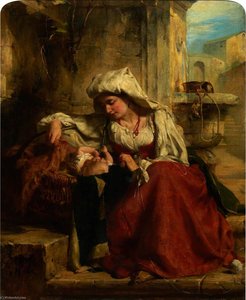 La culla – Study in Italy1864 · Royal Scottish Academy of Art - Architecture
24
 Charles Shaw Lefevre (1794–1888), 1st Viscount Eversley, in the Uniform of the Hampshire Carabiniers1875
25
 Sir James Falshaw (1810–1889), Bt, Lord Provost of Edinburgh (1874–1877)1877
26
 C. G. Shaw1878 · County Buildings
27
 Sir George Harvey (1806–1876), Artist1874 · Šoti Rahvusportreegalerii
28
 Sir James David Marwick (1826–1908), Town Clerk of Glasgow (1873–1903)1873
29
 Sir George Harvey (1806–1876), PRSA1874 · Royal Scottish Academy of Art - Architecture
30
 Thomas Carlyle1876 · The National Trust For Scotland
31
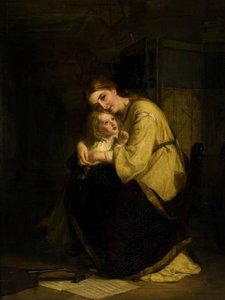 Pleasures of Hope1877
32
 Lochiel's Warning1878
33
 David Laing (1793–1878), Antiquary1874 · Šoti Rahvusportreegalerii
34
 A Conventicle Preacher before the Justices1876 · Royal Scottish Academy of Art - Architecture
35
 Sir Theodore Martin1876 · National Portrait Gallery
36
 Thomas Carlyle (1795–1881)1875 · Dumfries Museum And Camera Obscura
37
 The Conference between Mary, Queen of Scots and John Knox at Holyrood Palace, 15611875
38
 George Rough (1801–1888), Provost of Dundee (1853–1856)1882
39
 Wae's Me1879
40
 Alexander Laing, LLD, Newburgh1885
41
 Self Portrait1883
42
 Peter Clouston, Lord Provost of Glasgow (1860–1863)1883
43
 Reverend George S. Burns, Minister of Glasgow Cathedral1881
44
 Sir William Collins (1817–1895), Lord Provost of Glasgow (1877–1880)1881
45
 Sir James Watson (1801–1889), Lord Provost of Glasgow (1871–1874)1882
46
 Bouverie Francis Primrose (1813–1898), Secretary to the Board of Trustees for Manufactures and Fisheries1883 · Šoti Rahvusportreegalerii
47
 A Sprig of Arran Heather
48
 A Pilot
49
 Saint Columba Rescuing a Captive1883
50
 Corrie, a Crofter's Harvest
51
 SleepLeeds Art Gallery
52
 Sir Joseph Noel Paton (1821–1901), RSARoyal Scottish Academy of Art - Architecture
Neli teemat, mis esinevad neis originaalkindel kõige sagedamini, ning iga teema parim näide.
Kümne 8 muuseumi kollektsioonid, mis sisaldavad kõige rohkem sellel lehel esitatud teoseid.
| Muuseumid | Linn | Robert Herdman teosid | Selle nimekirja maalid |
|---|---|---|---|
 Šoti Rahvusportreegalerii |
Edinburgh | 5 | Thomas Carlyle (1795–1881), Historian and Essayist, Reverend John Tulloch (1823–1886), Theologian and Principal of St Andrews University, Sir George Harvey (1806–1876), Artist |
 Royal Scottish Academy of Art - Architecture |
Edinburgh | 5 | David Octavius Hill (1802–1870), RSA, La culla – Study in Italy, Sir George Harvey (1806–1876), PRSA |
 Scottish National Gallery |
Edinburgh | 3 | After the Battle, Emily Merelina Meymott (1830–1911), Baroness Shand, Evening Thoughts |
 County Buildings |
Ayr | 1 | C. G. Shaw |
 The National Trust For Scotland |
Ecclesburn | 1 | Thomas Carlyle |
 National Portrait Gallery |
London | 1 | Sir Theodore Martin |
 Dumfries Museum And Camera Obscura |
Dumfries | 1 | Thomas Carlyle (1795–1881) |
 Leeds Art Gallery |
Leeds | 1 | Sleep |
Vali vuosakülg, et näha selle ajastu definieerivat originaalteost.
John Campbell Shairp (1819–1885), LLD (1886). Järgnevad The young seamstress (1860) ja The Arrochar Gleaner (1862).
57 aastat vanus: teos John Campbell Shairp (1819–1885), LLD on pärinev aastast 1886 ning Robert Herdman sündis aastal 1829.
John Campbell Shairp (1819–1885), LLD, The young seamstress, The Arrochar Gleaner, Thomas Carlyle (1795–1881), Historian and Essayist, John Tulloch (1823–1886), Reverend John Tulloch (1823–1886), Theologian and Principal of St Andrews University, Morning, The Time of Primroses, Bonny Bell ja The Gleaner. Ülemine reiting näitab iga teose puhul aastat ja muuseumi.
Meie kataloogist leiate 52 teost kunstnikult Robert Herdman, mis on pärinevad ajastust 1854 kuni 1886.
Peamiselt Šoti Rahvusportreegalerii (Edinburgh), Royal Scottish Academy of Art - Architecture (Edinburgh) ja Scottish National Gallery (Edinburgh) muuseumites. Ülalpool olevate muuseumite tabelis on nendest kõik loetletud.
Ajal 1870s: 19 52 sellel lehel olevat teost on sellel perioodil loodud, მათart közül Thomas Carlyle (1795–1881), Historian and Essayist.
Sellel lehel on kõige vanem teos The Time of Primroses (1854) ja kõige värskeim John Campbell Shairp (1819–1885), LLD (1886).
Victorian era (3), Portraiture (2) ja Elderly man (2), kogu selle lehekülje 52 teose kohta.
Romanticism, seda lähtudes selle lehe originaalteostest.
Thomas Carlyle (1795–1881), Historian and Essayist, Reverend John Tulloch (1823–1886), Theologian and Principal of St Andrews University ja Sir George Harvey (1806–1876), Artist: Šoti Rahvusportreegalerii, Edinburgh säilitab 5 selle lehel olevat teost.

