


1


Uuendatud november 2026 · järjestatud meie populaarsusindeksi järgi (otsingud, külastused ja tellimused igale teosele) · 59 teost Robert Gwathmey meie kataloogis
Lühidalt
The Farmer Wanted a Boy (1942) on Robert Gwathmey maalide kõige silmapaistvam teos; originaal kuulub museumi Art Institute of Chicago, Chicago. Pärast seda suunatakse pilk Portrait of a Farmer's Wife (1951) ja Parade (1951) suunas. Meie kataloogis olevatest Robert Gwathmey 59 teosest on need 56 kõige kuulsumat, millist igaüks on esitatud koos aasta, muuseumi ja põhjusega, miks teos on püsiv.


The Parade painting by Robert Gwathmey is a remarkable piece of art that showcases the artist's unique style and technique. Created in 1951, this watercolour painting measures 53 x 36 cm and is currently housed at the Smithsonian American Art Museum in the United States. Artist Background Robert Gwathmey was an American artist known for his bold and expressive works of art. Born in 1903, he was a prominent figure…


 Untitled (853)
12
 Untitled (574)
13
 Untitled (791)
14
 Untitled (219)
15
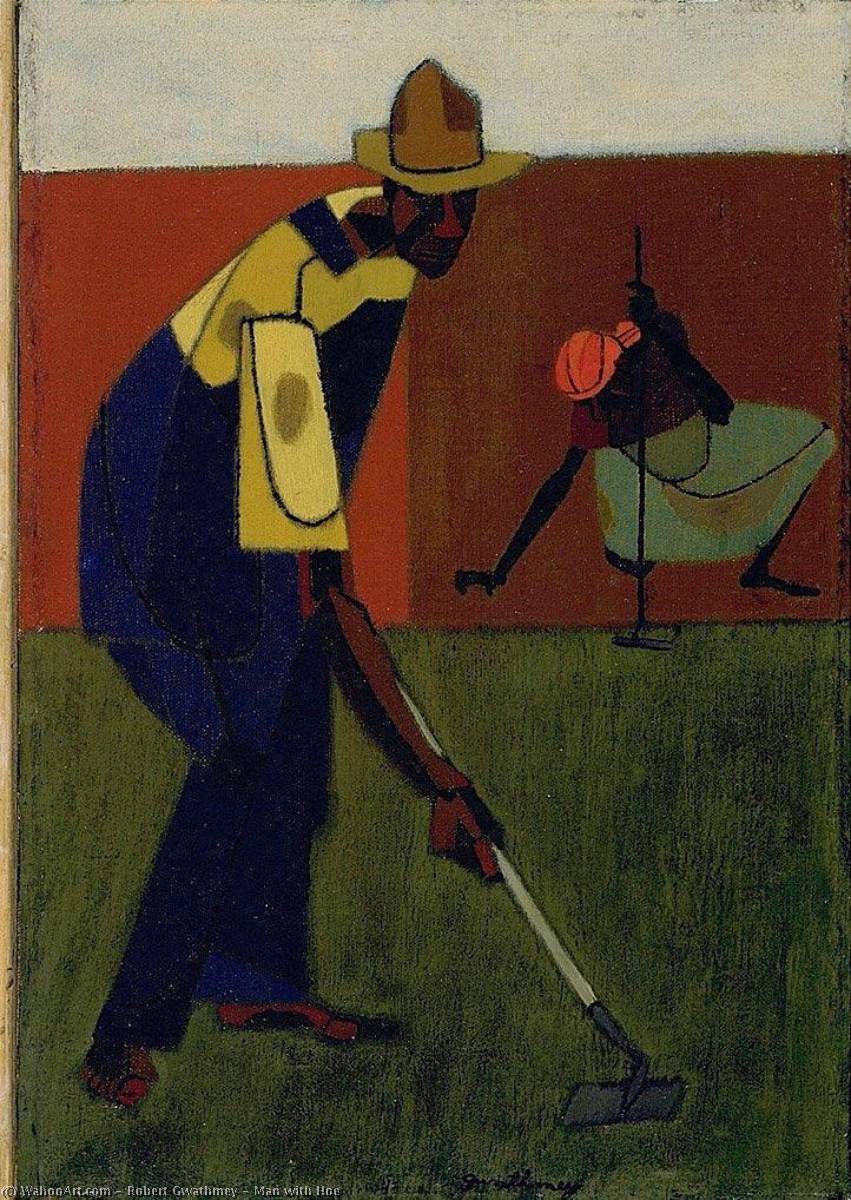
 Man with Hoe1944
16
 Singing and Mending1944
17
 Front Porch1947
18
 Poll Tax Country1945
19
 Sharecroppers and Blackberry Pickers1950
20
 Carrying the Sack1950
21
 Asleep at the Table1945 · Ogden Museum of Southern Art
22
 Untitled (813)
23
 Untitled (585)
24
 Untitled (196)
25
 Untitled (106)
26
 Untitled (721)
27
 Untitled (226)
28
 Untitled (193)
29
 Untitled (805)
30
 Untitled (561)
31
 Untitled (348)
32
 Untitled (491)
33
 Untitled (360)
34
 Untitled (416)
35
 Untitled (558)
36
 Untitled (285)
37
 Untitled (857)
38
 Untitled (207)
39
 Untitled (788)
40
 Untitled (724)
41
 Untitled (668)
42
 Untitled (655)
43
 Untitled (626)
44
 Untitled (735)
45
 Untitled (909)
46
 Untitled (968)
47
 Untitled (878)
48
 Untitled (106)
49
 Untitled (958)
50
 Untitled (857)
51
 Untitled (430)
52
 Untitled (750)
53
 Untitled (183)
54
 Untitled (229)
55
 Untitled (565)
56
 Going Home
Kümne 2 muuseumi kollektsioonid, mis sisaldavad kõige rohkem sellel lehel esitatud teoseid.
| Muuseumid | Linn | Robert Gwathmey teosid | Selle nimekirja maalid |
|---|---|---|---|
 Art Institute of Chicago |
Chicago | 1 | The Farmer Wanted a Boy |
 Ogden Museum of Southern Art |
New Orleans | 1 | Asleep at the Table |
Siin esitatud Robert Gwathmey originaalte teosed on aastatest 1942 kuni 1951 vahemikku, võimaldades silmal neid aasta-aastalt jälgida.
Vali aasta, et näha originaale.


The Farmer Wanted a Boy (1942), Art Institute of Chicago, Chicago. Järgnevad Portrait of a Farmer's Wife (1951) ja Parade (1951).
39 aastat vanus: teos The Farmer Wanted a Boy on pärinev aastast 1942 ning Robert Gwathmey sündis aastal 1903.
The Farmer Wanted a Boy, Portrait of a Farmer's Wife, Parade, Untitled (504), Untitled (978), Untitled (811), Untitled (540), Untitled (830), Untitled (598) ja Untitled (389). Ülemine reiting näitab iga teose puhul aastat ja muuseumi.
Meie kataloogist leiate 59 teost kunstnikult Robert Gwathmey, mis on pärinevad ajastust 1942 kuni 1951.
Peamiselt Art Institute of Chicago (Chicago) ja Ogden Museum of Southern Art (New Orleans) muuseumites. Ülalpool olevate muuseumite tabelis on nendest kõik loetletud.
Ajal 1944: 2 56 sellel lehel olevat teost on sellel perioodil loodud, მათart közül Man with Hoe.
Sellel lehel on kõige vanem teos The Farmer Wanted a Boy (1942) ja kõige värskeim Portrait of a Farmer's Wife (1951).
Social realism, seda lähtudes selle lehe originaalteostest.