Pedro De Camprobin portree

14 kulubumatamatum Pedro De Camprobin maali, galeriiselektsioon

Uuendatud november 2026 · järjestatud meie populaarsusindeksi järgi (otsingud, külastused ja tellimused igale teosele) · 14 teost Pedro De Camprobin meie kataloogis

Lühidalt

Kõigist Pedro De Camprobin jäetud originaalteostest on kõige kuulsam Vase of Flowers (1663), mis kuulub Museo del Prado kogele linnas Madrid. Järgnevad sellest Vase of Flowers (1663) ja Still life of iris. Meie kataloogist löytyb 14 teost kunstnikult Pedro De Camprobin; galeriist on säilitatud 14 maailmas kõige imetlustunud teost, millest iga on esitatud koos kuupäeva, museumi ja oma luguga.

1605 – 1674, Almagro Enamama teoseid: Museo del Prado

Pedro De Camprobin top 10 maalist: galeriis valitud teosed

1
Vase of Flowers (1663) (autor) Pedro De Camprobin

Vase of Flowers

1663 · Oil On Canvas · Museo del Prado, Madrid

Pedro de Camprobin's “Vase of Flowers,” painted in 1663, is more than just a still life; it’s a carefully constructed meditation on beauty, mortality, and the fleeting nature of time – a hallmark of the Spanish Baroque. Housed within the esteemed Museo del Prado in Madrid, this oil-on-canvas work offers a rare glimpse into the oeuvre of an artist often relegated to the shadows of his more celebrated contemporaries. Camprobin’s…

2
Vase of Flowers (1663) (autor) Pedro De Camprobin

Vase of Flowers

1663 · Oil On Canvas · Museo del Prado, Madrid

An ornate golden vase holds a heavy weight of blossoms. Roses, both white and red, spill toward the edges of their container. Carnations and lilies mingle with the soft shapes of daffodils and calendula. Two butterflies rest among the petals, caught in a moment of stillness. The background is a dark, muted brown, a shadow that pushes the colors forward. Light falls from the upper left, striking the smooth surfaces…

6
Vase of Flowers (1665) (autor) Pedro De Camprobin

Vase of Flowers

1665

The Vase of Flowers by Pedro De Camprobín is a stunning example of 17th-century still life painting. Created in 1665, this oil on canvas piece measures 83 x 67 cm and showcases the artist's skill in capturing the intricate details of flowers and the reflective quality of the vase. The painting style suggests it could be from the Baroque period, characterized by its attention to detail and use of light…

Kunstianikut Pedro De Camprobin nimekiri jätkub, 11 kuni 14

Teemad, mis püüdisid Pedro De Camprobin pilma

Neli teemat, mis esinevad neis originaalkindel kõige sagedamini, ning iga teema parim näide.

Muuseumid, kus on säilitatud Pedro De Camprobin originaalteosed

Kümne 3 muuseumi kollektsioonid, mis sisaldavad kõige rohkem sellel lehel esitatud teoseid.

Muuseum Linn Pedro De Camprobin teosed Selle nimekirja maalid
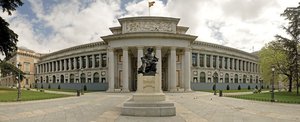
Museo del Prado, MadridMuseo del Prado Madrid 4 Vase of Flowers, Vase of Flowers, Vase
Fundación Banco Santander, MadridFundación Banco Santander Madrid 2 Writing Desk with a small Chest and a Fruit Bowl, Writing Desk with a small Chest and a Fruit Bowl
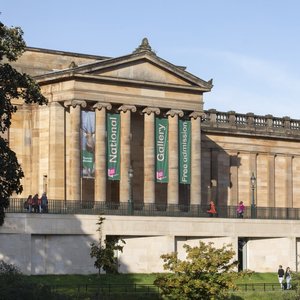
Scottish National Gallery, EdinburghScottish National Gallery Edinburgh 1 Still Life with Dish of Pears and a Sprig of Jasmine Blossom on a Ledge

Pedro De Camprobin aasta-aastaga: originaalteosed, mis defineerivad iga perioodi

Aastast 1650 aastat 1665 kuni 1665, töötas Pedro De Camprobin 16 aastat: valik järgneb selle pikale kareerile aasta-aastalt, esitledes selle parimaid originaalteoseid.

Teosed aasta kaupa

Vali aasta, et näha originaale.

Sammlajate küsimused Pedro De Camprobin maalide kohta

Millise teosega on Pedro De Camprobin kõige kuulsam?Paljasta vastus

Vase of Flowers (1663), Museo del Prado, Madrid. Järgnevad Vase of Flowers (1663) ja Still life of iris.

Kui vana oli Pedro De Camprobin, kui teos Vase of Flowers loodi?Paljasta vastus

58 aastat vanus: teos Vase of Flowers on pärinev aastast 1663 ning Pedro De Camprobin sündis aastal 1605.

Millised on kümne kõige kuulsama Pedro De Camprobin maalid?Paljasta vastus

Vase of Flowers, Vase of Flowers, Still life of iris, Still Life with Dish of Pears and a Sprig of Jasmine Blossom on a Ledge, Camprobin - bodegon, Vase of Flowers, The Gentleman and Death, Vase, Still Life of Iris, Lilies, Roses and Carnations In Elaborate Urn ja Cesto. Ülemine reiting näitab iga teose puhul aastat ja muuseumi.

Kui palju maali Pedro De Camprobin jäeti?Paljasta vastus

Meie kataloogist leiate 14 teost kunstnikult Pedro De Camprobin, mis on pärinevad ajastust 1650 kuni 1665.

Mitteks muuseumides rihangavad Pedro De Camprobin meistriteosed?Paljasta vastus

Peamiselt Museo del Prado (Madrid), Fundación Banco Santander (Madrid) ja Scottish National Gallery (Edinburgh) muuseumites. Ülalpool olevate muuseumite tabelis on nendest kõik loetletud.

Millah aastades maalas Pedro De Camprobin oma kuulsamaid teoseid?Paljasta vastus

Ajal 1663: 2 14 sellel lehel olevat teost on sellel perioodil loodud, sellest Vase of Flowers.

Mis on Pedro De Camprobin esimene ja viimane kuuls fama originaalteos?Paljasta vastus

Sellel lehel on kõige vanem teos Still Life with Dish of Pears and a Sprig of Jasmine Blossom on a Ledge (1650) ja kõige värskeim Vase of Flowers (1665).

Milliseid teemasid Pedro De Camprobin kõige sagedamini valis?Paljasta vastus

Floral arrangement (3), Life (3) ja Flowers (3), kogu selle lehekülje 14 teose kohta.

Millist tehnikat kasutas Pedro De Camprobin kõige rohkem?Paljasta vastus

Oil On Canvas, 2 teoseks 14 töödelt sellel lehel.

Millised Pedro De Camprobin teosed on Museo del Prado näituses?Paljasta vastus

Vase of Flowers, Vase of Flowers ja Vase: Museo del Prado, Madrid säilitab 4 selle lehel olevat teost.

Pedro De Camprobin: elu ja looming

Pedro de Camprobin: A Shadowed Light of Spanish Mannerism

Pedro de Camprobin (1605 – 1674) remains a figure shrouded in artistic mystery, yet his paintings—primarily religious compositions imbued with Caravaggisti fervor—offer glimpses into the vibrant heart of 17th-century Spain. Born in Almagro, Castile, Camprobin’s formative years coincided with the flourishing Mannerist movement spearheaded by El Greco, whose dramatic chiaroscuro and expressive distortions profoundly impacted his artistic vision. While biographical details are scarce, evidence suggests he honed his craft under Luis Tristán de Escamilla, a fellow Toledo painter who championed El Greco's style—a connection that undeniably shaped Camprobin’s distinctive aesthetic.
  • Early Training & Influences: Camprobin’s apprenticeship with Tristán solidified his grasp of tenebrism, the technique popularized by Caravaggio, characterized by stark contrasts between light and dark. This stylistic choice wasn't merely fashionable; it reflected a broader artistic preoccupation with conveying spiritual intensity through dramatic visual effects.
  • Notable Works: Camprobin’s oeuvre is marked by several significant commissions, most notably the Santa Eulalia Chapel altarpiece in Burgos Cathedral—a monumental undertaking that exemplifies his mastery of composition and tonal gradation. His paintings are notable for their meticulous detail and psychological depth, capturing not just visual likeness but also conveying profound emotion.
  • The Vase of Flowers & Beyond: Among Camprobin’s celebrated works is “Vase of Flowers,” a captivating still life that showcases his ability to render textures with remarkable accuracy and imbue inanimate objects with symbolic resonance. Similarly, "Camprobin - bodegon" exemplifies the Baroque tradition's fascination with capturing everyday scenes within an artistic framework.
His paintings are characterized by a palpable sense of drama—a hallmark of Caravaggisti art—where figures emerge from darkness illuminated by pools of radiant light. This technique serves to heighten emotional impact and underscores the artist’s commitment to portraying religious subjects with uncompromising realism. Camprobin's work stands as testament to the enduring legacy of El Greco and Caravaggio, demonstrating how these masters influenced subsequent generations of Spanish painters.

Burgos Chapel Altarpiece: A Pinnacle of Mannerist Drama

The Santa Eulalia Chapel altarpiece in Burgos Cathedral represents Camprobin’s crowning achievement—a monumental undertaking that cemented his reputation as one of Spain's foremost Mannerist artists. Executed with painstaking precision and imbued with a masterful understanding of tonal modulation, the chapel’s centerpiece depicts Saint Eulalia receiving communion, bathed in an ethereal glow emanating from above. The composition is deliberately unsettling, reflecting the psychological complexities inherent in portraying spiritual devotion—a characteristic trait of Camprobin's artistic approach.

Caravaggisti Influence: Mastering Dramatic Light and Shadow

Camprobin’s stylistic choices – particularly his embrace of tenebrism – bear unmistakable traces of Caravaggio’s influence. Like Caravaggio, Camprobin sought to evoke emotion through stark contrasts between light and dark, prioritizing expressive realism over idealized beauty. This technique is evident throughout his paintings, where figures are positioned within zones of intense illumination against backgrounds plunged into darkness—a deliberate strategy designed to heighten visual drama and convey spiritual fervor.

Legacy & Historical Significance

Pedro de Camprobin’s contribution to Spanish Baroque art extends beyond individual masterpieces; he embodies the spirit of a generation grappling with religious upheaval and artistic innovation. His paintings continue to inspire admiration for their technical brilliance and emotional depth—a testament to his enduring legacy as a pivotal figure in the history of Spanish Mannerism. Further research into Camprobin’s life and work promises to illuminate new facets of this enigmatic artist's contribution to the artistic landscape of 17th-century Spain.