The Enigmatic Master of Ávila: A Pioneer of Spanish Gothic
The identity of the “Master of Ávila,” a pivotal figure in 15th-century Spanish art, remains tantalizingly elusive – an anonymous master whose influence resonates through generations. Active primarily in the region surrounding Ávila, this artist’s legacy is defined by a distinctive blend of Flemish realism and burgeoning Gothic sensibilities, shaping the course of religious painting in Spain during a period of profound transition. While his name has never been definitively established, art historians have largely converged on García del Barco as the most likely candidate, though conclusive evidence remains elusive.
Born around 1465 in Almodóvar del Campo, García del Barco’s early life offers little documented detail. He entered the service of Fernando Gallego, a prominent Flemish painter working in Ávila, around 1473, and remained with him for several years. This formative period proved crucial; Gallego's influence is readily apparent in the Master of Ávila’s stylistic choices – particularly his use of perspective, detailed rendering of drapery, and emphasis on naturalistic representation. However, the Master quickly developed a unique artistic voice, incorporating regional Spanish elements into his work, creating a distinctive style that distinguished him from his mentor.
The Nativity Triptych: A Defining Work
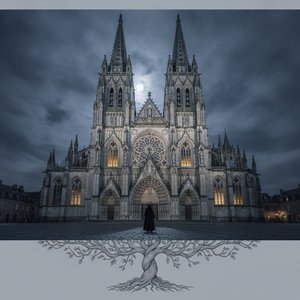
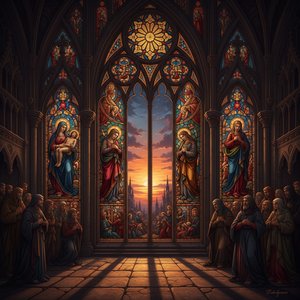
The centerpiece of the Master of Ávila’s oeuvre is undoubtedly the magnificent Nativity triptych housed in the Lázaro Galdiano Museum in Madrid. Completed around 1470-75, this masterpiece exemplifies his artistic prowess and reveals a sophisticated understanding of composition and symbolism. The triptych depicts the birth of Christ within a richly detailed architectural setting – a miniature replica of Ávila’s Cathedral, subtly incorporating elements of Gothic architecture. The figures are rendered with remarkable realism, their expressions conveying a profound sense of emotion. Notably, the scene is populated by a diverse cast of characters, reflecting the artist's interest in portraying human experience with sensitivity and nuance.
Beyond the Nativity, the Master produced several other significant works, including panels depicting Saint Dominic and Saint Thomas, a “Calvary” now residing in the Prado Museum (originally attributed to Fernando Gallego), and altarpieces for churches in Ávila and surrounding towns. These pieces demonstrate a consistent stylistic approach – characterized by meticulous detail, vibrant colors, and a harmonious balance between realism and symbolic representation.
Influences and Artistic Development
The Master of Ávila’s artistic development can be traced through a complex interplay of influences. As previously mentioned, the early work was heavily shaped by Fernando Gallego's Flemish style. However, he quickly absorbed elements from other sources – including the Gothic traditions prevalent in Spain at the time. The architectural details within his paintings, particularly those found in the Nativity triptych, suggest a deep appreciation for the local vernacular architecture of Ávila. Furthermore, there’s evidence that he was influenced by the work of Italian Renaissance artists, such as Masaccio and Giotto, whose innovations in perspective and naturalistic representation foreshadowed the changes to come.
It's important to note that the Master of Ávila operated during a period of significant artistic experimentation. The late 15th century witnessed a gradual shift away from the stylized conventions of Gothic art towards a more realistic and humanistic approach – a transition known as Proto-Renaissance. The Master’s work exemplifies this evolving aesthetic, bridging the gap between the two styles and laying the groundwork for the High Renaissance that would flourish in Spain during the following century.
Legacy and Historical Significance
Despite his anonymity, the Master of Ávila holds a significant place in Spanish art history. His innovative approach to religious painting – characterized by realism, emotional depth, and regional specificity – helped to shape the development of Spanish Gothic art. He demonstrated an exceptional ability to synthesize diverse influences, creating a unique artistic style that resonated with audiences throughout Spain.
The attribution of his works has been subject to ongoing debate among scholars. Recent research, spearheaded by Elías Tormo and others, has bolstered the case for García del Barco as the true identity of the Master, based on stylistic similarities and documentary evidence. Regardless of his precise identification, the legacy of the Master of Ávila endures – a testament to the enduring power of artistic innovation and the mysteries that surround some of Spain’s most celebrated anonymous masters.