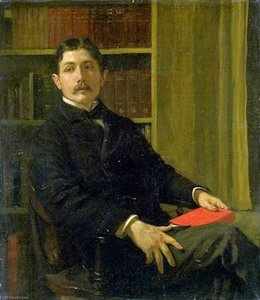
Kenyon Cox portree

71 kulubumatamatumat Kenyon Cox maalist, millist on vaid üks

Uuendatud november 2026 · järjestatud meie populaarsusindeksi järgi (otsingud, külastused ja tellimused igale teosele) · 76 teost Kenyon Cox meie kataloogis

Lühidalt

The Progress of Civilization The Forge, Commerce, and Education (mural study, State Capitol, Des Moines, Iowa) (1906) on Kenyon Cox maalide kõige silmapaistvam teos; originaal kuulub museumi Smithsonian American Art Museum, Washington, D.C.. Pärast seda suunatakse pilk Landscape at Grez (1879) ja Henry L. Fry (1883) suunas. Meie kataloogis olevatest Kenyon Cox 76 teosest on need 71 kõige kuulsumat, millist igaüks on esitatud koos aasta, muuseumi ja põhjusega, miks teos on püsiv.

1856 – 1919, Warren Classical realism Enamama teoseid: Smithsonian American Art Museum

Kenyon Cox top 10 maalist galeriist vaatenurgast

1
The Progress of Civilization The Forge, Commerce, and Education (mural study, State Capitol, Des Moines, Iowa) (1906) autor Kenyon Cox

The Progress of Civilization The Forge, Commerce, and Education (mural study, State Capitol, Des Moines, Iowa)

1906 · Oil On Canvas · Smithsonian American Art Museum, Washington, D.C.

The Progress of Civilization The Forge, Commerce, and Education (mural study, State Capitol, Des Moines, Iowa) is an oil on canvas work by Kenyon Cox. Created about 1905-1906, this piece functions as a preparatory study for a larger mural intended for the State Capitol in Des Moines, Iowa. The artist, Kenyon Cox, sought to capture the movement of human advancement through these specific, segmented scenes.

2
Landscape at Grez (1879) autor Kenyon Cox

Landscape at Grez

1879 · Black and White Photography · Cincinnati Art Museum, Cincinnati

In Landscape at Grez, Kenyon Cox organizes a formal indoor setting through a centered composition. The subject, a man seated in a decorative wooden chair, is positioned slightly to the right of the vertical axis. This slight offset breaks the symmetry of the room, providing a sense of depth against the structured background. The perspective is a straight-on eye-level shot, placing the viewer directly in front of the subject within…

3
Henry L. Fry (1883) autor Kenyon Cox

Henry L. Fry

1883 · Oil On Canvas · Cincinnati Art Museum, Cincinnati

This oil on canvas portrait by Kenyon Cox depicts Henry L. Fry. Created in 1883, the work presents the subject in a full-length view. The man is positioned slightly off-center against a background of draped fabric. He is shown with a white beard and wears a dark overcoat. The composition is vertical, focusing on the single figure within the frame.

4
The Approach of Love (1890) autor Kenyon Cox

The Approach of Love

1890 · Oil · Cincinnati Art Museum, Cincinnati

In "The Approach of Love" by Kenyon Cox, the horizontal plane is anchored by a massive, curved marble bench. This white sarcophagus occupies the center of the scene, acting as a heavy, pale foundation for the figures. On the left, a nude woman with long reddish-brown hair reclines against the stone. A voluminous, golden-yellow fabric spills over the edge of the marble, its bright weight contrasting against the cool, white…

5
Diana (1890) autor Kenyon Cox

Diana

1890 · Oil On Canvas · Chazen Museum of Art, Madison

In "Diana" by Kenyon Cox, the Roman goddess Artemis emerges from the shadows of a lush, wooded landscape. Created about 1890, the work places the deity at the center of a quiet, natural world. She is rendered as a full-length nude figure, her form poised against the deep greens and browns of the surrounding foliage. The goddess occupies the heart of the scene, a singular presence amidst the organic textures…

6
The Harp Player (A Solo) (1888) autor Kenyon Cox

The Harp Player (A Solo)

1888 · Oil On Canvas · Metropolitan Museum of Art, New York

The Harp Player (A Solo) is an oil painting by the American artist Kenyon Cox. Created about 1888, the work emerged during a period when Cox was establishing his reputation within the academic traditions of the late 19th century. His practice emphasized careful drawing and a commitment to classical ideals, often focusing on genre studies and idealized forms.

7
The Fall (1892) autor Kenyon Cox

The Fall

1892 · Oil On Canvas

In this 1892 oil painting, Kenyon Cox captures a moment of profound transition within a lush, wooded landscape. The work, titled The Fall, presents the biblical narrative of Adam and Eve at the precise instant of their temptation. A serpent coils around the trunk of a tree, embodying the presence of evil, while Eve reaches out to offer the fruit to Adam. This central action transforms the garden into a…

8
Head of the Queen of Egypt (1888) autor Kenyon Cox

Head of the Queen of Egypt

1888 · Oil · Smithsonian American Art Museum, Washington, D.C.

In this work, titled Head of the Queen of Egypt, the artist Kenyon Cox presents a focused study of a historical figure. The painting depicts the head of Nefertiti, the Egyptian queen who belonged to the Eighteenth Dynasty. It is a quiet, measured representation that captures the likeness of the sculpted bust rather than a living person.

9
Bird Song (1896) autor Kenyon Cox

Bird Song

1896 · Oil

In "Bird Song" by Kenyon Cox, a seated female figure occupies the center of the frame. She is positioned vertically, a steady pillar of quietude amidst a soft-focus world. Her white chemise-style top is patterned with small green leaf motifs, a delicate detail against the pale fabric. Below, a heavy, draped skirt of greyish-purple pools around her feet in thick, weighted folds. She holds a long, slender wooden flute in…

10
Christ (1905) autor Kenyon Cox

Christ

1905 · Oil On Canvas · Cleveland Museum of Art, Cleveland

In the painting Christ by Kenyon Cox, the composition is centered and symmetrical. The subject is presented in a full-length view, standing as a single male figure against a landscape background. This figure is depicted with long brown hair and a beard. He wears voluminous, flowing red robes that drape heavily around the body. His arms are slightly extended to his sides, with the palms facing upward in a gesture…

Kenyon Cox kuulsad maalid, numbrid 11 kuni 71

11(Iowa State Capitol Rotunda) (Manufactures, study for panel) (1905) autor Kenyon Cox(Iowa State Capitol Rotunda) (Manufactures, study for panel)1905 12(Iowa State Capitol Rotunda) (Manufactures, study for panel) (1905) autor Kenyon Cox(Iowa State Capitol Rotunda) (Manufactures, study for panel)1905 · Smithsonian American Art Museum 13Maxfield Parrish (1905) autor Kenyon CoxMaxfield Parrish1905 14Tradition (1916) autor Kenyon CoxTradition1916 · Cleveland Museum of Art 15The Education of Cupid (1917) autor Kenyon CoxThe Education of Cupid1917 16Sketch for the Mural at Oberlin College, The Spirit of Self Sacrificing Love (1914) autor Kenyon CoxSketch for the Mural at Oberlin College, The Spirit of Self Sacrificing Love1914 · Smithsonian American Art Museum 17Augustus Saint-Gaudens (1908) autor Kenyon CoxAugustus Saint-Gaudens1908 · Metropolitan Museum of Art 18(Study for Labor ) (1870) autor Kenyon Cox(Study for Labor )1870 19Study for Mosaic, Wisconsin State Capitol, (1912) autor Kenyon CoxStudy for Mosaic, Wisconsin State Capitol,1912 · Oklahoma City Museum of Art 20(Untitled) (Greco Roman Discus Thrower) (1873) autor Kenyon Cox(Untitled) (Greco Roman Discus Thrower)1873 21(Untitled) (Study of Standing Male Nude) (1876) autor Kenyon Cox(Untitled) (Study of Standing Male Nude)1876 22(Untitled) (Studies of Male Nudes) (1876) autor Kenyon Cox(Untitled) (Studies of Male Nudes)1876 23Flying Shadows (1883) autor Kenyon CoxFlying Shadows1883 24Landscape (1883) autor Kenyon CoxLandscape1883 · Metropolitan Museum of Art 25Flying Shadows (1883) autor Kenyon CoxFlying Shadows1883 · National Gallery of Art 26A Lady in Black (1880) autor Kenyon CoxA Lady in Black1880 · Smithsonian American Art Museum 27Study for Evening (1883) autor Kenyon CoxStudy for Evening1883 · Smithsonian American Art Museum 28After Titian's Madonna of the Rabbit (1882) autor Kenyon CoxAfter Titian's Madonna of the Rabbit1882 · Smithsonian American Art Museum 29After Boltraffio, Sacra Conversazione (1882) autor Kenyon CoxAfter Boltraffio, Sacra Conversazione1882 · Smithsonian American Art Museum 30May (1890) autor Kenyon CoxMay1890 31Indian Summer (1887) autor Kenyon CoxIndian Summer1887 · Smithsonian American Art Museum 32Louise Howland King (Mrs. Kenyon Cox) (1892) autor Kenyon CoxLouise Howland King (Mrs. Kenyon Cox)1892 · Smithsonian American Art Museum 33Study for Drapery of Pursuit of the Ideal (1891) autor Kenyon CoxStudy for Drapery of Pursuit of the Ideal1891 · Smithsonian American Art Museum 34Echo (1892) autor Kenyon CoxEcho1892 · Smithsonian American Art Museum 35An Eclogue (1890) autor Kenyon CoxAn Eclogue1890 · Smithsonian American Art Museum 36Sketches for a Decoration of a Private Library B (1894) autor Kenyon CoxSketches for a Decoration of a Private Library B1894 · Smithsonian American Art Museum 37Sketches for the Decoration of a Private Library A (1894) autor Kenyon CoxSketches for the Decoration of a Private Library A1894 · Smithsonian American Art Museum 38Portrait of Mr. Wiley (1894) autor Kenyon CoxPortrait of Mr. Wiley1894 39Study for Science Instructing Industry (1898) autor Kenyon CoxStudy for Science Instructing Industry1898 · Smithsonian American Art Museum 40(Iowa State Capitol Rotunda) (Hunting, study for panel) (1905) autor Kenyon Cox(Iowa State Capitol Rotunda) (Hunting, study for panel)1905 41Hope and memory (1900) autor Kenyon CoxHope and memory1900 42Study for Mural at Hotel Manhattan, Peace and Plenty (1901) autor Kenyon CoxStudy for Mural at Hotel Manhattan, Peace and Plenty1901 · Smithsonian American Art Museum 43Untitled, Portrait of a Young Girl (1900) autor Kenyon CoxUntitled, Portrait of a Young Girl1900 44Study for mural, Union Trust Company Building, The Sources of Wealth (1903) autor Kenyon CoxStudy for mural, Union Trust Company Building, The Sources of Wealth1903 · Smithsonian American Art Museum 45(Iowa State Capitol Rotunda) (study for Six Lunettes) (1905) autor Kenyon Cox(Iowa State Capitol Rotunda) (study for Six Lunettes)1905 46Study for Christ (1905) autor Kenyon CoxStudy for Christ1905 · Smithsonian American Art Museum 47Study for Mural for Appellate Court Building, New York Statute Law , Helmet for Figure of Force (1899) autor Kenyon CoxStudy for Mural for Appellate Court Building, New York Statute Law , Helmet for Figure of Force1899 · Smithsonian American Art Museum 48Approach of Love autor Kenyon CoxApproach of LoveCincinnati Art Museum 49Augustus Saint Gaudens (1908) autor Kenyon CoxAugustus Saint Gaudens1908 50Plenty (1910) autor Kenyon CoxPlenty1910 · Smithsonian American Art Museum 51The Silver Hand Glass (1907) autor Kenyon CoxThe Silver Hand Glass1907 · Smithsonian American Art Museum 52The Progress of Civilization Science and Art (mural study, State Capitol, Des Moines, Iowa) (1906) autor Kenyon CoxThe Progress of Civilization Science and Art (mural study, State Capitol, Des Moines, Iowa)1906 · Smithsonian American Art Museum 53The Progress of Civilization Hunting, Herding, Agriculture (mural study, State Capitol, Des Moines, Iowa) (1906) autor Kenyon CoxThe Progress of Civilization Hunting, Herding, Agriculture (mural study, State Capitol, Des Moines, Iowa)1906 · Smithsonian American Art Museum 54Study for Mural at U.S. Custom House, Cleveland, OH, Passing Commerce Pays Tribute to the Port of Cleveland (1909) autor Kenyon CoxStudy for Mural at U.S. Custom House, Cleveland, OH, Passing Commerce Pays Tribute to the Port of Cleveland1909 · Smithsonian American Art Museum 55Study for Mosaic, Wisconsin State Capital, Legislation (1913) autor Kenyon CoxStudy for Mosaic, Wisconsin State Capital, Legislation1913 · Smithsonian American Art Museum 56Book of Pictures (1917) autor Kenyon CoxBook of Pictures1917 · Smithsonian American Art Museum 57Study for Mosaic, Wisconsin State Capital, Justice (1913) autor Kenyon CoxStudy for Mosaic, Wisconsin State Capital, Justice1913 · Smithsonian American Art Museum 58Study for mosaic in the Wisconsin State Capital Government and Liberty (1912) autor Kenyon CoxStudy for mosaic in the Wisconsin State Capital Government and Liberty1912 · Smithsonian American Art Museum 59Sketch for Mosaic, Wisconsin State Capital, Justice (1912) autor Kenyon CoxSketch for Mosaic, Wisconsin State Capital, Justice1912 · Smithsonian American Art Museum 60Nude Study for Mosaic, Wisconsin State Capitol, (1912) autor Kenyon CoxNude Study for Mosaic, Wisconsin State Capitol,1912 · Oklahoma City Museum of Art 61Nude Study for Mosaic, Wisconsin State Capitol, (1912) autor Kenyon CoxNude Study for Mosaic, Wisconsin State Capitol,1912 · Oklahoma City Museum of Art 62Nude Study for Mosaic, Wisconsin State Capitol, (1912) autor Kenyon CoxNude Study for Mosaic, Wisconsin State Capitol,1912 · Oklahoma City Museum of Art 63Nude Study for Mosaic, Wisconsin State Capitol, (1912) autor Kenyon CoxNude Study for Mosaic, Wisconsin State Capitol,1912 · Oklahoma City Museum of Art 64Study for Mosaic, Wisconsin State Capitol, (1912) autor Kenyon CoxStudy for Mosaic, Wisconsin State Capitol,1912 · Oklahoma City Museum of Art 65Study for Mosaic, Wisconsin State Capitol, (1912) autor Kenyon CoxStudy for Mosaic, Wisconsin State Capitol,1912 · Oklahoma City Museum of Art 66Nude Study for Mosaic, Wisconsin State Capitol, (1912) autor Kenyon CoxNude Study for Mosaic, Wisconsin State Capitol,1912 · Oklahoma City Museum of Art 67Fields (1885) autor Kenyon CoxFields1885 68Study for Mosaic, Wisconsin State Capitol, (1912) autor Kenyon CoxStudy for Mosaic, Wisconsin State Capitol,1912 · Oklahoma City Museum of Art 69Nude Study for Mosaic, Wisconsin State Capitol, (1912) autor Kenyon CoxNude Study for Mosaic, Wisconsin State Capitol,1912 · Oklahoma City Museum of Art 70Cartoon for mural of Minnesota State Capital, Institute of Justice autor Kenyon CoxCartoon for mural of Minnesota State Capital, Institute of JusticeSmithsonian American Art Museum 71Lengthening Shadows (1888) autor Kenyon CoxLengthening Shadows1888 · Smithsonian American Art Museum

Teemad, mis püüdisid Kenyon Cox pilma

Neli teemat, mis esinevad neis originaalkindel kõige sagedamini, ning iga teema parim näide.

Muuseumid, kus on säilitatud Kenyon Cox originaalteosed

Kümne 7 muuseumi kollektsioonid, mis sisaldavad kõige rohkem sellel lehel esitatud teoseid.

Muuseumid Linn Kenyon Cox teosid Selle nimekirja maalid
Smithsonian American Art Museum, Washington, D.C.Smithsonian American Art Museum Washington, D.C. 32 The Progress of Civilization The Forge, Commerce, and Education (mural study, State Capitol, Des Moines, Iowa), Head of the Queen of Egypt, (Iowa State Capitol Rotunda) (Manufactures, study for panel)
Oklahoma City Museum of Art, Oklahoma CityOklahoma City Museum of Art Oklahoma City 10 Study for Mosaic, Wisconsin State Capitol,, Nude Study for Mosaic, Wisconsin State Capitol,, Nude Study for Mosaic, Wisconsin State Capitol,
Cincinnati Art Museum, CincinnatiCincinnati Art Museum Cincinnati 4 Landscape at Grez, Henry L. Fry, The Approach of Love
Metropolitan Museum of Art, New YorkMetropolitan Museum of Art New York 3 The Harp Player (A Solo), Augustus Saint-Gaudens, Landscape
Cleveland Museum of Art, ClevelandCleveland Museum of Art Cleveland 2 Christ, Tradition
Chazen Museum of Art, MadisonChazen Museum of Art Madison 1 Diana
National Gallery of Art, WashingtonNational Gallery of Art Washington 1 Flying Shadows

Kenyon Cox aastakatega: iga aastakannaga üks unikaalne originaal

Teosed aastakate kaupa

Vali vuosakülg, et näha selle ajastu definieerivat originaalteost.

Kenyon Cox maalid: küsimused galeriile

Mis on Kenyon Cox kõige kuulsam teos?Paljasta vastus

The Progress of Civilization The Forge, Commerce, and Education (mural study, State Capitol, Des Moines, Iowa) (1906), Smithsonian American Art Museum, Washington, D.C.. Järgnevad Landscape at Grez (1879) ja Henry L. Fry (1883).

Mis vanuses luunud Kenyon Cox teos The Progress of Civilization The Forge, Commerce, and Education (mural study, State Capitol, Des Moines, Iowa)?Paljasta vastus

50 aastat vanus: teos The Progress of Civilization The Forge, Commerce, and Education (mural study, State Capitol, Des Moines, Iowa) on pärinev aastast 1906 ning Kenyon Cox sündis aastal 1856.

Millised on Kenyon Cox kümneks kuulsumat maalatist?Paljasta vastus

The Progress of Civilization The Forge, Commerce, and Education (mural study, State Capitol, Des Moines, Iowa), Landscape at Grez, Henry L. Fry, The Approach of Love, Diana, The Harp Player (A Solo), The Fall, Head of the Queen of Egypt, Bird Song ja Christ. Ülemine reiting näitab iga teose puhul aastat ja muuseumi.

Kui palju teoseid kunstniku Kenyon Cox kohta on teada?Paljasta vastus

Meie kataloogist leiate 76 teost kunstnikult Kenyon Cox, mis on pärinevad ajastust 1870 kuni 1917.

Kust saab näha kõige kuulsamaid Kenyon Cox originaalteoseid?Paljasta vastus

Peamiselt Smithsonian American Art Museum (Washington, D.C.), Oklahoma City Museum of Art (Oklahoma City) ja Cincinnati Art Museum (Cincinnati) muuseumites. Ülalpool olevate muuseumite tabelis on nendest kõik loetletud.

Mille perioodi jooksul lõi Kenyon Cox oma tuntumad maalid?Paljasta vastus

Ajal 1910s: 19 71 sellel lehel olevat teost on sellel perioodil loodud, მათart közül Tradition.

Milline kuuls Kenyon Cox maal on kõige varasem ja milline kõige hiljema?Paljasta vastus

Sellel lehel on kõige vanem teos (Study for Labor ) (1870) ja kõige värskeim The Education of Cupid (1917).

Millist teemasid Kenyon Cox eelistas?Paljasta vastus

Woman (9), Pencil sketch (5) ja Man (4), kogu selle lehekülje 71 teose kohta.

Mida Kenyon Cox kõige rohkem kasutas oma maalide nimiseks?Paljasta vastus

Oil On Canvas, 11 teoseks 71 töödelt sellel lehel.

Millisse toomangu kuulub Kenyon Cox teos?Paljasta vastus

Classical realism, seda lähtudes selle lehe originaalteostest.

Mida Kenyon Cox originaalte ma näen Smithsonian American Art Museum muuseumis?Paljasta vastus

The Progress of Civilization The Forge, Commerce, and Education (mural study, State Capitol, Des Moines, Iowa), Head of the Queen of Egypt ja (Iowa State Capitol Rotunda) (Manufactures, study for panel): Smithsonian American Art Museum, Washington, D.C. säilitab 32 selle lehel olevat teost.

Kenyon Cox: kunstniku portree

Kenyon Cox: Elu ja pärand

Kenyon Coxi kunstiline teekond algas 27. oktoobril 1856 Warrenis, Ohaios, ning oli määratav tema sügava sidelusega klassikalistele väärtustele. Tema kasvatusi juhtisid tema vanemad, Jacob Dolson Cox ja Helen Finney Cox, ning algne õppeperiood Art Academy of Cincinnati-s, mis tollal tuntigi McMicken School of Art-ina, avas talle teekonna, kuid ei suutnud kustutada tema ambitsioone. Pärast külastust Philadelphia Centennial Expositionil mõistis Cox kiiresti, et Ameerika linnades on tema talendi arendamiseks piisamatult ruumi, ning otsustas suunata oma õppimise Pennsylvania Academy of Fine Arts-i, lootades, et see viib ta lõpuks Euroopa kunstiväljale.

1877. aastal jõudis Cox Pariisi, liitudes Ameerika kunstikunstikoolide uue lainega, kes otsisid inspiratsiooni maailma kunstimekkas. Ta uskus veerselt, et Pariis kogeb kunstis uut "teist renessanssi". Tema õppimisaastad École des Beaux-Arts-is olid määratavad, kuna ta õppis selliste meistrite juures nagu Carolus-Duran, Jean-Léon Gérôme ja Alexandre Cabanel. Kuigi algne õppimine Carolus-Durani juures algas, tekkis ta peagi sügav eirutus tema stiilis märgitud "vulgaarsusest". Kuid tema reisid Prantsusmaal ja Itaalias avas tema silmad renessanssimestrite vääldavatele teostele, mis kujendasid tema kunstilist visiooni igavesti.

Pärast Pariisi õppeperioodi naasid Cox 1882. aastal New Yorki, kus ta kujunes üheks märkemistavaks maalajaks ja illustraatoriks. Tema ajalehtedest ilmunud illustratsioonid jõudisid laiemasse avalikkuse ringkondadesse kui tema maalid, ning ta panemaks toodangut ka anonüümsete kunstikriitikatega New York Evening Postis. Tema stiil liikus oluliselt realismi poole, kus fookuses olid maastikud, portreedid ja žanrite uurimised. Ta oli tuntud oma ideaalsete nude-figuuride ja klassikaliste teemade traditsioonilise käitlemise poolest, mis peegeldas tema püsivat pühendumust klassikalisele ilule.

New Yorkis sai Coxist Art Students League'i üks mõjuvaima õpetaja, kes kujendas terveid kunstnikute põlvkondi. Tema loovus jäi elama ka League'i logossa, milleks ta kujundas motto "Nulla Dies Sine Linea" – üks päev ilma joonteta. Tema professionaalsust tunnustati National Academy of Design poolt, kus ta sai esmalt assotsieeritud akadeemikuks 1900. aastal ja täisakadeemikuks 1903. aastal. Lisaks oli ta National Free Arts League'i asjakujundaja ja teenis presidentina National Society of Mural Painters organisatsioonis aastatel 1915–1919, säilitades oma rolli Ameerika kunstielus.

Coxi kunstiline pärand on sügavalt seotud klassikaliste ideaalide kaitsmisega ajal, mil modernism hakkas kunstivälja tungima. Ta õnudas täpselt jooned, peenelt modüleeritud värvid ning allegoriasim ja sümbolismi kasutamist. Tema kirjutised, nagu "Two Ways of Painting", väljendasid tema selget seisukohta figuraalse kunsti ja abstraktsuse vahel. Kuigi ta ei olnud radikaalne innovator, oli tema roll traditsiooniliste standardide säilitamisel ja uute kunstnike ulanemisel asendamatu. Tema elu lõppes 17. märtsil 1919, kuid tema mõju Ameerika kunstielule on jäänud püsivaks.

Varane elu ja haridus

Kenyon Cox saavus maailmale 27. oktoobril 1856 Warrenis, Ohaios, Jacob Dolson Coxi ja Helen Finney Coxi pojana. Tema kunstiline teekond sai alguse Cincinnati kunstiakadeemiast (endine McMickeni kunstikool), kuid ta mõistis kiiresti, et linnas on tema talendi arendamiseks piiratud võimalused. Pärast Filadelfiia Seitseksenda Ekspozytsiooni külastamist tekkis temas uue suuna ning ambitsioosid; ta otsustas jätkata oma haridust Pennsylvania Fine Arts Akadeemias, uskudes, et see avab talle uusi uksid ja viib lõpuks Euroopa kunstikeskuste juurde.

Pariisi koolituse ja mõjude maailm

Pariisi siirmumine aastal 1877 tähistas uue alguse pöördu, kui Cox liikus Prantsussumaa, liitudes kunstnike lainega, kes otsisid inspiratsiooni maailma kunstimeeskondidest. Ta uskus veenitud oli, et Pariis on kogenud kunstis uue „teise renessanssi“, mis pakus lõputuid võimalusi uue stiili leidmiseks.
Mõjuvad õpetajad: École des Beaux-Arts koolis sai ta õppida selliste meistrite käest nagu Carolus-Duran, Jean-Léon Gérôme ja Alexandre Cabanel, kelle juures ta oma tehnika ja nägemuse päriseks sai.
Kuigi ta alguses õppis Carolus-Durani juures, tekkis ta peagi pettumus tema stiilis asuvast „vulgaarsusest“, mis ei vastanud tema klassikalisele maitsele.
Lõpuks aga reidid läbi Prantsuse ja Itaalia avasid tema silmad renessanssimestrite suurepärasele pärandile, mis kujendas tema kunstilist visiooni sügavalt ja igavesti.

Karjäär New Yorkis ja kunstiline stiil

Tema kunstiline stiil põlenis realismis, kus peamine tähelepanu pöörati maastikele, portrettidele ja žanristudile. Cox sai tuntuks oma ideaalsete alast ja klassikaliste teemade traditsioonilise käsitluse poolest.

1882. aastal naasid Cox New Yorki, kus ta kindlustas oma positsiooni nii maali- kui illustraatorina. Illustratsioonitöö: Ta sai tuntuks oma ajakirjaillustratsioonide poolest, mis jõudisid palju laiemale publikule kui tema maalid. Lisaks kunstikriitika: Cox kirjutas New York Evening Posti jaoks anonüümseid kunstikriitika artikleid, mis aitkasid tema tulu täiendada.

Õppetegevus ja institutsionaalne panus

Kenyon Cox ei olnud pelgalt loov silm, vaid ka väärikas mentor, kelle mõju ulatus sügavalt läbi New Yorki Kunstifanktsiooni (Art Students League). Art Students League of New York oli koht, kus ta sai erakordselt mõjuva õpetajaks, kujunedes kunstnike põlvkondade mentoriks ja suunajaks. Tema pärand on püsivalt mälestetav ka läbi tema loodud liidüsel logos, mida kirjastab inspiratsioonirikas motto “Nulla Dies Sine Linea” — ehk „iga päev ilma joonistamata ei tohi jääda”.

Tema professionaalne saavutused kunstimaailmas kinnitasid tema staatust nii sise- kui välispoolt. Aastatel 1900 ja 1903 valiti ta esmalt rahvusliku disaini akadeemia (National Academy of Design) assotsieeritud akadeemikuks ja hiljem täisliikmes akadeemikuks, mis tõttas tema tehnilise täiuslikkuse ja klassikalise näzuva. Lisaks sellele oli ta asutajaliik ja sekretär rahvuslikus vaba kunstiliidus (National Free Arts League), osutades aktiivselt ka juhtrolli kunstinimelistes ringkondades. Tema autoriteet oli nii kindel, et ta teenis presidentina rahvuslikus freskojaomaliste seltsis (National Society of Mural Painters) aastatel 1915–1919, olles samal ajal paljude teiste prestiižsete kunstiorganisatsioonide liige.

Peamised saavutused ja ajalooline tähendus

Coxi teosed väljendasid püüdlust klassikalistele ideaalidele ajal, mil uued moodsad kunstiliikumised olid alles tekeemas. Ta oli veenud tähelepanelikus joonistamises, peenelt moduleritud värvigammas ning allegorias ja symbolismis, püüdes säilitada kunsti sügavuse ja tähendusrikkuse. Tema kirjutised, nagu näiteks teos „Two Ways of Painting”, väljendasid tema selgeid vaateid figuratiivse kunsti ja abstraktsete või esitavast stiilide vahelise dünaamika üle.

Pärand: Kuigi Kenyon Cox ei olnud radikaalne uuendaja, mängis ta kriitilist rolli traditsiooniliste kunstiliste standardide säilitamisel ja uute põlvkondade kunstnike õpetamisel. Tema mõju laienes läbi tema õppetöö ja panuse Ameerika kunstielu asutuste arendamisel.

Surm: 17. märts, 1919.