


1


Uuendatud november 2026 · järjestatud meie populaarsusindeksi järgi (otsingud, külastused ja tellimused igale teosele) · 13 teost Gaspar de Witte meie kataloogis
Lühidalt
Interior of an Art Collector's Cabinet with Many Visitors (1639) on Gaspar de Witte maalide kõige silmapaistvam teos; originaal kuulub museumi Musée Girodet, Montargis. Pärast seda suunatakse pilk The Allegorical Female Figures Nature and Pictura in an Art Collection, with Representative Antwerp Canvasses (1639) ja Jesus Heals the Centurion's Servant (1650) suunas. Meie kataloogis olevatest Gaspar de Witte 13 teosest on need 13 kõige kuulsumat, millist igaüks on esitatud koos aasta, muuseumi ja põhjusega, miks teos on püsiv.


Kümne 8 muuseumi kollektsioonid, mis sisaldavad kõige rohkem sellel lehel esitatud teoseid.
| Muuseumid | Linn | Gaspar de Witte teosid | Selle nimekirja maalid |
|---|---|---|---|
 Bavaria riiklikud maalidema kogumikud |
München | 3 | Hilly Landscape, Hilly Landscape, Mountain Landscape |
 Royal Museum of Fine Arts Antwerp |
Antverp | 2 | Christ Healing the Blind Man at Jericho, The Fortune-Teller |
 Musée Girodet |
Montargis | 1 | Interior of an Art Collector's Cabinet with Many Visitors |
 Rockox House |
Antverp | 1 | Jesus Heals the Centurion's Servant |
 Hermitage muuseum |
Stiiitlinburg | 1 | Concert in the Park |
 Kingston Lacy |
Wimborne Minster | 1 | A Rocky Wooded Landscape with a Figure on a Path |
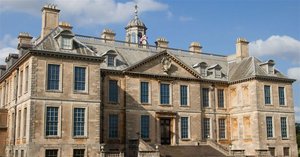 Belton House |
Grantham | 1 | Classical Landscape with Travellers and a River |
 Noordbrabants Museum |
's-Hertogenbosch | 1 | Still Life with Tulips, Carnations and Other Flowers in a Vase |
Vali vuosakülg, et näha selle ajastu definieerivat originaalteost.
Interior of an Art Collector's Cabinet with Many Visitors (1639), Musée Girodet, Montargis. Järgnevad The Allegorical Female Figures Nature and Pictura in an Art Collection, with Representative Antwerp Canvasses (1639) ja Jesus Heals the Centurion's Servant (1650).
15 aastat vanus: teos Interior of an Art Collector's Cabinet with Many Visitors on pärinev aastast 1639 ning Gaspar de Witte sündis aastal 1624.
Interior of an Art Collector's Cabinet with Many Visitors, The Allegorical Female Figures Nature and Pictura in an Art Collection, with Representative Antwerp Canvasses, Jesus Heals the Centurion's Servant, Christ Healing the Blind Man at Jericho, Hilly Landscape, Hilly Landscape, Mountain Landscape, Italian Landscape with Herdsman, Concert in the Park ja A Rocky Wooded Landscape with a Figure on a Path. Ülemine reiting näitab iga teose puhul aastat ja muuseumi.
Meie kataloogist leiate 13 teost kunstnikult Gaspar de Witte, mis on pärinevad ajastust 1639 kuni 1671.
Peamiselt Bavaria riiklikud maalidema kogumikud (München), Royal Museum of Fine Arts Antwerp (Antverp) ja Musée Girodet (Montargis) muuseumites. Ülalpool olevate muuseumite tabelis on nendest kõik loetletud.
Ajal 1650s: 6 13 sellel lehel olevat teost on sellel perioodil loodud, მათart közül Jesus Heals the Centurion's Servant.
Sellel lehel on kõige vanem teos Interior of an Art Collector's Cabinet with Many Visitors (1639) ja kõige värskeim Christ Healing the Blind Man at Jericho (1671).
Hilly Landscape, Hilly Landscape ja Mountain Landscape: Bavaria riiklikud maalidema kogumikud, München säilitab 3 selle lehel olevat teost.
Born in Antwerp, Belgium, Gaspar de Witte was a member of a prominent painting family. He was the son of Peter de Witte II and Barbara Remeeus, and his brothers, Peter de Witte III and Jan Baptist de Witte, were also painters. After training under his father, who specialized in landscapes, church interiors, and religious paintings, de Witte traveled to Rome in 1646. During his time there, he joined the Bentvueghels, an association of Dutch and Flemish artists, where he was given the nickname Grondel. Following a period in France around 1648, he returned to Antwerp and became a "winemaster" in the Antwerp Guild of Saint Luke in 1650. He also operated a small trading business for painting necessities and served as a teacher to Cornelis Huysmans.
De Witte is primarily remembered for his landscapes and his contributions to the genre of gallery paintings. His landscapes often featured pastoral scenes with shepherds, religious themes, or genre scenes such as village fairs and dances. While many of his works were not in the Italianate style, he frequently included Italian antique relics to suit local tastes. He often collaborated with other artists to provide staffage for his compositions, including works with Anton Goubau and Gonzales Coques. Notable examples include:
In the realm of gallery paintings, de Witte participated in complex compositions depicting elegant rooms filled with art and precious items. He is also identified as the likely painter of the allegorical work The allegorical female figures Nature and Pictura in an art-collection, which features personifications of Plenty and Painting alongside symbols of the Arts and the transient nature of war.


