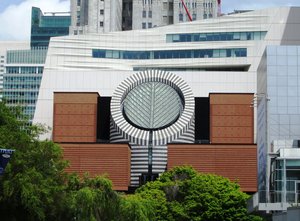
David Park portree

11 kulubumatamatum David Park maali, galeriiselektsioon

Uuendatud oktoober 2026 · järjestatud meie populaarsusindeksi järgi (otsingud, külastused ja tellimused igale teosele) · 13 teost David Park meie kataloogis

Lühidalt

Kõigist David Park jäetud originaalteostest on kõige kuulsam Allegory of Music: Solemnity (1936), mis kuulub Fine Arts Museums of San Francisco kogele linnas San Francisco. Järgnevad sellest The Jazz Musicians (1954) ja Sunbather (1953). Meie kataloogist löytyb 13 teost kunstnikult David Park; galeriist on säilitatud 11 maailmas kõige imetlustunud teost, millest iga on esitatud koos kuupäeva, museumi ja oma luguga.

1911 – 1960, Boston Bay area figurative Enamama teoseid: Fine Arts Museums of San Francisco

David Park top 10 maalist: galeriis valitud teosed

1
Allegory of Music: Solemnity (1936) autor David Park

Allegory of Music: Solemnity

1936 · Photography · Fine Arts Museums of San Francisco, San Francisco

In "Allegory of Music: Solemnity" by David Park, the focus rests entirely upon a single piece of millinery. This white fabric cap, or bonnet, sits centered in the frame, anchored by a simple wooden stand. The object is captured from a slightly elevated side view, revealing the architecture of its construction. Radial pleating and gathered folds create a rhythmic texture across the textile, suggesting a quiet, frozen movement. The cream-colored…

2
The Jazz Musicians (1954) autor David Park

The Jazz Musicians

1954 · Oil On Canvas · Cantor Arts Center at Stanford University, Stanford

The air in the room feels thick with the heat of a live performance. On stage, the musicians are caught in a moment of pure, rhythmic motion. A trombone player takes center stage, his body leaning into the instrument as he pushes a swell of notes into the room. Nearby, a trumpet player adds his own sharp, brassy voice to the melody, while a drummer maintains the heartbeat of the…

5
Two Bathers (1958) autor David Park

Two Bathers

1958 · Oil On Canvas · San Francisco Museum of Modern Art, San Francisco

Two Bathers is an oil on canvas created by David Park. The work emerged in 1958, a moment when the artist had already turned his hand away from pure abstraction to reclaim the human form. This painting captures a specific slice of existence through thick, deliberate strokes of oil.

Kunstianikut David Park nimekiri jätkub, 11 kuni 11

Teemad, mis püüdisid David Park pilma

Neli teemat, mis esinevad neis originaalkindel kõige sagedamini, ning iga teema parim näide.

Muuseumid, kus on säilitatud David Park originaalteosed

Kümne 3 muuseumi kollektsioonid, mis sisaldavad kõige rohkem sellel lehel esitatud teoseid.

Muuseumid Linn David Park teosid Selle nimekirja maalid
Fine Arts Museums of San Francisco, San FranciscoFine Arts Museums of San Francisco San Francisco 2 Allegory of Music: Solemnity, Allegory of Music: The Muses
Cantor Arts Center at Stanford University, StanfordCantor Arts Center at Stanford University Stanford 1 The Jazz Musicians
San Francisco Museum of Modern Art, San FranciscoSan Francisco Museum of Modern Art San Francisco 1 Two Bathers

David Park aasta-aastaga: originaalteosed, mis defineerivad iga perioodi

Aastast 1936 aastat 1959 kuni 1959, töötas David Park 24 aastat: valik järgneb selle pikale kareerile aasta-aastalt, esitledes selle parimaid originaalteoseid.

Teosed aasta kaupa

Vali aasta, et näha originaale.

Sammlajate küsimused David Park maalide kohta

Millise teosega on David Park kõige kuulsam?Paljasta vastus

Allegory of Music: Solemnity (1936), Fine Arts Museums of San Francisco, San Francisco. Järgnevad The Jazz Musicians (1954) ja Sunbather (1953).

Kui vana oli David Park, kui teos Allegory of Music: Solemnity loodi?Paljasta vastus

25 aastat vanus: teos Allegory of Music: Solemnity on pärinev aastast 1936 ning David Park sündis aastal 1911.

Millised on kümne kõige kuulsama David Park maalid?Paljasta vastus

Allegory of Music: Solemnity, The Jazz Musicians, Sunbather, Woman with Red Mouth, Two Bathers, Allegory of Music: The Muses, Two Flutists in Yellow, Two Violinists, Beach Profile ja Head. Ülemine reiting näitab iga teose puhul aastat ja muuseumi.

Kui palju maali David Park jäeti?Paljasta vastus

Meie kataloogist leiate 13 teost kunstnikult David Park, mis on pärinevad ajastust 1936 kuni 1959.

Mitteks muuseumides rihangavad David Park meistriteosed?Paljasta vastus

Peamiselt Fine Arts Museums of San Francisco (San Francisco), Cantor Arts Center at Stanford University (Stanford) ja San Francisco Museum of Modern Art (San Francisco) muuseumites. Ülalpool olevate muuseumite tabelis on nendest kõik loetletud.

Millah aastades maalas David Park oma kuulsamaid teoseid?Paljasta vastus

Ajal 1936: 2 11 sellel lehel olevat teost on sellel perioodil loodud, მათart közül Allegory of Music: Solemnity.

Mis on David Park esimene ja viimane kuuls fama originaalteos?Paljasta vastus

Sellel lehel on kõige vanem teos Allegory of Music: Solemnity (1936) ja kõige värskeim Head (1959).

Millist tehnikat kasutas David Park kõige rohkem?Paljasta vastus

Oil On Canvas, 2 teoseks 11 töödelt sellel lehel.

Minge pihta kunstisuunasse, kuhu David Park kuulub?Paljasta vastus

Bay area figurative, seda lähtudes selle lehe originaalteostest.

Millised David Park teosed on Fine Arts Museums of San Francisco näituses?Paljasta vastus

Allegory of Music: Solemnity ja Allegory of Music: The Muses: Fine Arts Museums of San Francisco, San Francisco säilitab 2 selle lehel olevat teost.

David Park: elu ja looming

The Genesis of a Visionary


Born in the historic atmosphere of Boston in 1911, David Park’s artistic journey was anchored by a profound respect for the structural essence of life. His early years at Boston University, studying under the legendary George Bridgman, instilled in him an unparalleled understanding of anatomy and the rhythmic power of gesture. This foundational discipline provided the skeletal strength upon which he would later drape his most vibrant explorations of color. As he moved westward to the Otis Art Institute in Los Angeles, Park began to absorb the expansive light and energy of the American West, setting the stage for a transformation that would eventually challenge the very foundations of contemporary painting.

The Great Stylistic Revolution


For much of his early career, Park navigated the complex territories of abstraction, yet the year 1949 marked a seismic turning point in both his practice and his soul. In a move that stunned the San Francisco art community, he staged a dramatic departure from pure abstraction, choosing instead to reclaim the human figure as a central protagonist in his work. This was not a mere return to tradition, but the birth of the Bay Area Figurative Movement—a bold, modern reclamation of subject matter. Alongside luminaries such as Elmer Bischoff and Richard Diebenkorn, Park sought to bridge the gap between the visceral energy of abstract expressionism and the recognizable world. His new direction was defined by a unique synthesis of elements:
  • Expressive brushwork that captured the immediate pulse of life;
  • Flattened planes of color that emphasized the tactile reality of the canvas;
  • A humanist focus on the beauty found within everyday, unadorned moments.


The Soul in the Subject


Park’s mature work is a celebration of the palpable and the profound, often finding extraordinary depth in the most intimate of settings. His canvases breathe with the vitality of The Jazz Musicians and the quiet, sun-drenched vulnerability of his many nude studies. Through a masterful use of bold palettes and textured forms, he transformed scenes of daily life—a woman bathing or a simple landscape—into evocative meditations on the human condition. There is an unmistakable immediacy in his technique; his gestural strokes do not merely depict a subject but seem to enact it, inviting the viewer to feel the warmth of the light and the weight of the atmosphere. In doing so, Park achieved something rare: he captured the psychological resonance of a moment, ensuring that his legacy would remain as vibrant and enduring as the colors he so passionately applied to his canvas.