Lühidalt
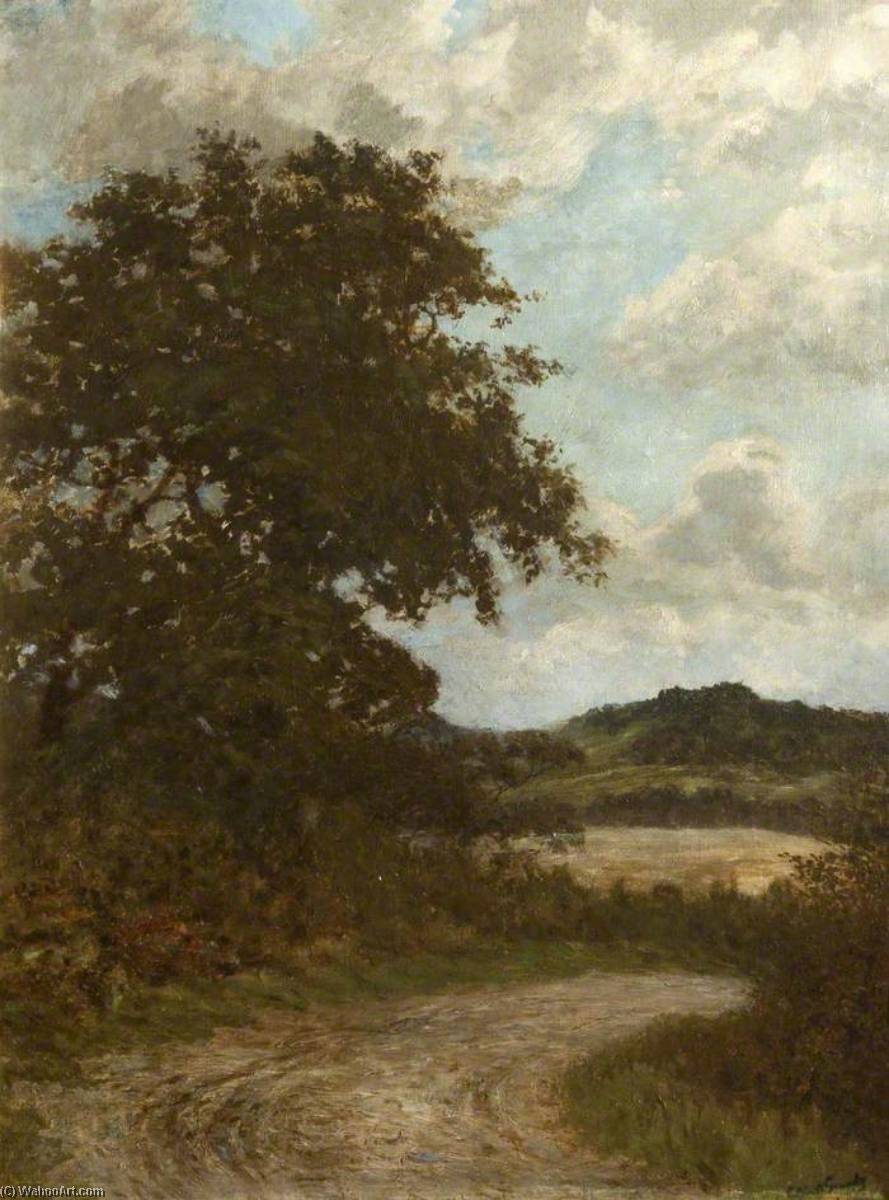
Dawn (1900) on Cuthbert Cartwright Grundy maalide kõige silmapaistvam teos; originaal kuulub museumi Grundy Art Gallery, Blackpool. Pärast seda suunatakse pilk The Old Millhouse, Milnthorpe (1900) ja The End of the Village suunas. Meie kataloogis olevatest Cuthbert Cartwright Grundy 15 teosest on need 15 kõige kuulsumat, millist igaüks on esitatud koos aasta, muuseumi ja põhjusega, miks teos on püsiv.
Cuthbert Cartwright Grundy top 10 maalist galeriist vaatenurgast
Autumn
The painting Autumn by Cuthbert Cartwright Grundy is a stunning representation of the fall season, showcasing the artist's skill in capturing the essence of nature. Created in 1919, this oil on canvas piece measures 111 x 86 cm and is currently housed at the Harris Museum - Art Gallery in Preston, United Kingdom. A Closer Look at the Painting The scene features two trees, one on the left side and…
Cuthbert Cartwright Grundy kuulsad maalid, numbrid 11 kuni 15
Teemad, mis püüdisid Cuthbert Cartwright Grundy pilma
Neli teemat, mis esinevad neis originaalkindel kõige sagedamini, ning iga teema parim näide.
Landscape 2 teost
Hills 2 teost
Tranquility 2 teost
Atmospheric 2 teost
Muuseumid, kus on säilitatud Cuthbert Cartwright Grundy originaalteosed
Kümne 5 muuseumi kollektsioonid, mis sisaldavad kõige rohkem sellel lehel esitatud teoseid.
| Muuseumid | Linn | Cuthbert Cartwright Grundy teosid | Selle nimekirja maalid |
|---|---|---|---|
| Blackpool | 4 | Dawn, The Old Millhouse, Milnthorpe, View from My Window | |
| Newcastle upon Tyne | 1 | Plas Mawr, Conwy | |
| Preston | 1 | Autumn | |
| Rochdale | 1 | Fresh and Breezy | |
| Bristol | 1 | A Study, A Grassy Bank, with Trees |
Cuthbert Cartwright Grundy aastakatega: iga aastakannaga üks unikaalne originaal
Teosed aastakate kaupa
Vali vuosakülg, et näha selle ajastu definieerivat originaalteost.
Cuthbert Cartwright Grundy maalid: küsimused galeriile
Mis on Cuthbert Cartwright Grundy kõige kuulsam teos?Paljasta vastus
Dawn (1900), Grundy Art Gallery, Blackpool. Järgnevad The Old Millhouse, Milnthorpe (1900) ja The End of the Village.
Mis vanuses luunud Cuthbert Cartwright Grundy teos Dawn?Paljasta vastus
54 aastat vanus: teos Dawn on pärinev aastast 1900 ning Cuthbert Cartwright Grundy sündis aastal 1846.
Millised on Cuthbert Cartwright Grundy kümneks kuulsumat maalatist?Paljasta vastus
Dawn, The Old Millhouse, Milnthorpe, The End of the Village, Plas Mawr, Conwy, View from My Window, Autumn, Landscape, Coming Rain, Undisturbed ja Elterwater. Ülemine reiting näitab iga teose puhul aastat ja muuseumi.
Kui palju teoseid kunstniku Cuthbert Cartwright Grundy kohta on teada?Paljasta vastus
Meie kataloogist leiate 15 teost kunstnikult Cuthbert Cartwright Grundy, mis on pärinevad ajastust 1900 kuni 1937.
Kust saab näha kõige kuulsamaid Cuthbert Cartwright Grundy originaalteoseid?Paljasta vastus
Peamiselt Grundy Art Gallery (Blackpool), Laing Art Gallery (Newcastle upon Tyne) ja Harris Museum - Art Gallery (Preston) muuseumites. Ülalpool olevate muuseumite tabelis on nendest kõik loetletud.
Mille perioodi jooksul lõi Cuthbert Cartwright Grundy oma tuntumad maalid?Paljasta vastus
Ajal 1900s: 2 15 sellel lehel olevat teost on sellel perioodil loodud, მათart közül Dawn.
Milline kuuls Cuthbert Cartwright Grundy maal on kõige varasem ja milline kõige hiljema?Paljasta vastus
Sellel lehel on kõige vanem teos Dawn (1900) ja kõige värskeim View from My Window (1937).
Millist teemasid Cuthbert Cartwright Grundy eelistas?Paljasta vastus
Landscape (2), Hills (2) ja Tranquility (2), kogu selle lehekülje 15 teose kohta.
Mida Cuthbert Cartwright Grundy originaalte ma näen Grundy Art Gallery muuseumis?Paljasta vastus
Dawn, The Old Millhouse, Milnthorpe ja View from My Window: Grundy Art Gallery, Blackpool säilitab 4 selle lehel olevat teost.
Cuthbert Cartwright Grundy: kunstniku portree
Cuthbert Cartwright Grundy: A Vision of Northumberland
Cuthbert Cartwright Grundy (1846 – 1946) remains a relatively obscure figure in the annals of British watercolor painting, yet his landscapes hold a quiet beauty and profound connection to the rugged terrain of Northumberland. Born into a family steeped in artistic tradition—his father was a noted sculptor—Grundy’s early life fostered an appreciation for visual art that would shape his lifelong dedication to capturing the spirit of Northern England. While biographical details remain sparse, archival records indicate he pursued formal training at Slade School of Art in London, honing his skills under influential instructors and absorbing the stylistic currents of Impressionism and Neo-Romanticism prevalent during his formative years.- Early Influences: Grundy’s artistic sensibilities were undeniably shaped by the Romantic movement's fascination with sublime landscapes and emotional expression. Artists like Turner and Constable served as beacons, demonstrating how watercolor could convey grandeur and evoke powerful feelings.
- Northumberland Obsession: From around 1890 onwards, Grundy established his studio in Kirkcudbrightshire, Scotland, but Northumberland became the focal point of his artistic endeavors. He tirelessly documented the dramatic coastline, rolling hills, and picturesque villages of Northumberland with meticulous detail and sensitivity.
A Distinctive Watercolor Style
Grundy’s technique distinguished him from many of his contemporaries. Unlike looser Impressionists who prioritized fleeting effects of light, Grundy favored a deliberate layering process—often applying multiple washes to build up tonal depth and texture. He meticulously observed the nuances of color and atmosphere, striving for accuracy while simultaneously imbuing his paintings with an emotional resonance. His palette leaned towards muted greens, blues, and browns, reflecting the subdued hues of Northumberland’s landscape. Notably, Grundy employed a technique known as ‘grisaille,’ applying thin washes of gray to establish tonal values before adding color—a method that allowed him to achieve remarkable realism and compositional control.- Detailed Observation: Grundy's approach mirrored the scientific rigor championed by Victorian naturalists; he meticulously documented geological formations, plant life, and animal behavior.
- Emotional Resonance: Despite his technical precision, Grundy’s paintings are imbued with a palpable sense of tranquility and contemplation. He sought to convey not merely what he saw but how he felt—a testament to the power of art as a vehicle for emotional expression.