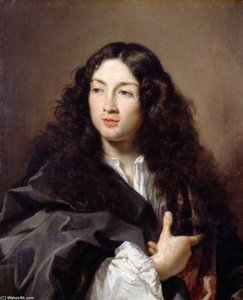
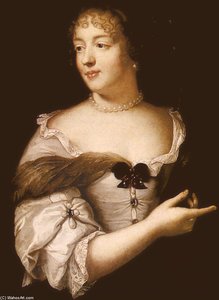
Claude Lefebvre portree

19 kulubumatamatumat Claude Lefebvre maalist, millist on vaid üks

Uuendatud november 2026 · järjestatud meie populaarsusindeksi järgi (otsingud, külastused ja tellimused igale teosele) · 19 teost Claude Lefebvre meie kataloogis

Lühidalt

Portrait of Jean-Baptiste Colbert (1666) on Claude Lefebvre maalide kõige silmapaistvam teos; originaal kuulub museumi Château de Versailles, Versailles. Pärast seda suunatakse pilk Portrait of a Man (1667) ja Presumed portrait of Louise-Françoise de La Baume Le Blanc, duchesse de La Vallière as Diana (1665) suunas. Meie kataloogis olevatest Claude Lefebvre 19 teosest on need 19 kõige kuulsumat, millist igaüks on esitatud koos aasta, muuseumi ja põhjusega, miks teos on püsiv.

1632 – 1675, Fontainebleau Baroque Enamama teoseid: Château de Versailles

Claude Lefebvre top 10 maalist galeriist vaatenurgast

1
Portrait of Jean-Baptiste Colbert (1666) autor Claude Lefebvre

Portrait of Jean-Baptiste Colbert

1666 · Oil On Canvas · Château de Versailles, Versailles

Claude Lefebvre's "Portrait of Jean-Baptiste Colbert" is more than a simple likeness; it’s a carefully constructed tableau of power, wealth, and the burgeoning influence of the French monarchy in the mid-17th century. Painted in 1666, this oil on canvas offers a remarkably intimate portrayal of the pivotal figure who shaped Louis XIV's finance and foreign policy – Colbert himself. The painting resides within the opulent walls of the Château de…

7
A Teacher and his Pupil (1670) autor Claude Lefebvre

A Teacher and his Pupil

1670 · Oil On Canvas · Louvre'i muuseum, Pariis

In the quiet depths of the seventeenth century, amidst the grand flourishes of the Baroque era, there existed moments of profound, silent connection that transcended the mere recording of faces. Claude Lefebvre’s 1670 masterpiece, "A Teacher and his Pupil," captures such a moment with unparalleled emotional resonance. This is not merely a portrait of two individuals; it is an evocative window into the very essence of mentorship and the sacred…

8
Jean-Baptiste Colbert (1666) autor Claude Lefebvre

Jean-Baptiste Colbert

1666 · Château de Versailles, Versailles

Claude Lefebvre’s “Portrait of Jean-Baptiste Colbert” – painted in 1666 – is more than just a likeness; it's a carefully constructed statement about the man who shaped the financial destiny of Louis XIV’s France. This arresting portrait, housed within the opulent walls of Versailles, offers a glimpse into the mind and ambition of a figure whose influence reverberates through European history. Lefebvre, a master of capturing both physical presence and…

Claude Lefebvre kuulsad maalid, numbrid 11 kuni 19

Teemad, mis püüdisid Claude Lefebvre pilma

Neli teemat, mis esinevad neis originaalkindel kõige sagedamini, ning iga teema parim näide.

Muuseumid, kus on säilitatud Claude Lefebvre originaalteosed

Kümne 5 muuseumi kollektsioonid, mis sisaldavad kõige rohkem sellel lehel esitatud teoseid.

Muuseumid Linn Claude Lefebvre teosid Selle nimekirja maalid
Château de Versailles, VersaillesChâteau de Versailles Versailles 4 Portrait of Jean-Baptiste Colbert, Portrait of Marie-Louise Rouxel de Médavy, Mademoiselle de Grancey, Jean-Baptiste Colbert
Versailles'i kuninglik ooperimaja, VersaillesVersailles'i kuninglik ooperimaja Versailles 2 Presumed portrait of Louise-Françoise de La Baume Le Blanc, duchesse de La Vallière as Diana, Charles Couperin and the second daughter of Claude Lefebvre
Louvre'i muuseum, PariisLouvre'i muuseum Pariis 1 A Teacher and his Pupil
Varssavi Rahvusmuuseum, VarssaviVarssavi Rahvusmuuseum Varssavi 1 Portrait of a man in a black wig
Carnavalet Museum, PariisCarnavalet Museum Pariis 1 Porträt Marie De Rabutin-chantals

Claude Lefebvre aastate jooksul: iga teose unikaalsed originaalid

Siin esitatud Claude Lefebvre originaalte teosed on aastatest 1664 kuni 1673 vahemikku, võimaldades silmal neid aasta-aastalt jälgida.

Teosed aasta kaupa

Vali aasta, et näha originaale.

Claude Lefebvre maalid: küsimused galeriile

Mis on Claude Lefebvre kõige kuulsam teos?Paljasta vastus

Portrait of Jean-Baptiste Colbert (1666), Château de Versailles, Versailles. Järgnevad Portrait of a Man (1667) ja Presumed portrait of Louise-Françoise de La Baume Le Blanc, duchesse de La Vallière as Diana (1665).

Mis vanuses luunud Claude Lefebvre teos Portrait of Jean-Baptiste Colbert?Paljasta vastus

34 aastat vanus: teos Portrait of Jean-Baptiste Colbert on pärinev aastast 1666 ning Claude Lefebvre sündis aastal 1632.

Millised on Claude Lefebvre kümneks kuulsumat maalatist?Paljasta vastus

Portrait of Jean-Baptiste Colbert, Portrait of a Man, Presumed portrait of Louise-Françoise de La Baume Le Blanc, duchesse de La Vallière as Diana, Charles Couperin and the second daughter of Claude Lefebvre, Portrait of Roger de Rabutin, Portrait of Marie-Louise Rouxel de Médavy, Mademoiselle de Grancey, A Teacher and his Pupil, Jean-Baptiste Colbert, Portrait of a man in a black wig ja Portrait of a gentleman, wearing the order of the Knights of the Holy Spirit. Ülemine reiting näitab iga teose puhul aastat ja muuseumi.

Kui palju teoseid kunstniku Claude Lefebvre kohta on teada?Paljasta vastus

Meie kataloogist leiate 19 teost kunstnikult Claude Lefebvre, mis on pärinevad ajastust 1664 kuni 1673.

Kust saab näha kõige kuulsamaid Claude Lefebvre originaalteoseid?Paljasta vastus

Peamiselt Château de Versailles (Versailles), Versailles'i kuninglik ooperimaja (Versailles) ja Louvre'i muuseum (Pariis) muuseumites. Ülalpool olevate muuseumite tabelis on nendest kõik loetletud.

Mille perioodi jooksul lõi Claude Lefebvre oma tuntumad maalid?Paljasta vastus

Ajal 1666: 2 19 sellel lehel olevat teost on sellel perioodil loodud, მათart közül Portrait of Jean-Baptiste Colbert.

Milline kuuls Claude Lefebvre maal on kõige varasem ja milline kõige hiljema?Paljasta vastus

Sellel lehel on kõige vanem teos Portrait of Marie-Louise Rouxel de Médavy, Mademoiselle de Grancey (1664) ja kõige värskeim Portrait of Roger de Rabutin (1673).

Millist teemasid Claude Lefebvre eelistas?Paljasta vastus

Portraits (5), 17th century (4) ja Portrait (3), kogu selle lehekülje 19 teose kohta.

Mida Claude Lefebvre kõige rohkem kasutas oma maalide nimiseks?Paljasta vastus

Oil On Canvas, 2 teoseks 19 töödelt sellel lehel.

Millisse toomangu kuulub Claude Lefebvre teos?Paljasta vastus

Baroque, seda lähtudes selle lehe originaalteostest.

Mida Claude Lefebvre originaalte ma näen Château de Versailles muuseumis?Paljasta vastus

Portrait of Jean-Baptiste Colbert, Portrait of Marie-Louise Rouxel de Médavy, Mademoiselle de Grancey ja Jean-Baptiste Colbert: Château de Versailles, Versailles säilitab 4 selle lehel olevat teost.

Claude Lefebvre: kunstniku portree

A Legacy of Light and Line

In the grand tapestry of the seventeenth century, few artists captured the quiet dignity of the French nobility with as much grace as Claude Lefebvre. Born in Fontainebleau, the son of the painter Jean Lefèbvre, his artistic journey was deeply rooted in the traditions of his lineage and the prestigious workshops of his era. His early training began within the workshop of Claude d'Hoey at Fontainebleau, providing him with a foundational mastery of form that would later define his career. As he moved toward Paris, his education expanded under the guidance of masters such as Eustache Le Sueur and, most significantly, the legendary Charles Le Brun. While working under Le Brun, Lefebvre likely contributed to the preparation of grand cartoons for the History of the King tapestry series at the Château of Versailles, a period that placed him at the very heart of French royal artistic ambition.

Despite his early exposure to large-scale historical compositions, Lefebvre’s path took a more intimate turn. While Le Brun recognized his talent, he famously encouraged the artist to specialize in portraiture, noting that his compositions for larger narratives were less suited to his particular strengths. This redirection proved transformative. Lefebvre emerged as a leading portraitist of his time, a skill that earned him admission as a member of the Académie Royale de peinture et de sculpture in 1663. His ability to capture the psychological depth and social standing of his subjects allowed him to secure prestigious commissions, including a long-term project for the portrait of Jean-Baptiste Colbert, which he eventually presented at the Château of Versailles.

The Mastery of the Baroque Portrait

Lefebvre’s work is characterized by a profound command of the chiaroscuro technique, using the dramatic interplay of light and shadow to breathe life into his subjects. His portraits are not merely records of faces but evocative windows into the soul, often utilizing a somber yet sophisticated palette of deep blacks, earthy browns, and muted grays. In masterpieces such as A Teacher and his Pupil, one can observe how he directs light to pull figures from an atmospheric darkness into sharp, luminous relief, creating a sense of profound, silent connection. This technical virtuosity extended to his rendering of textures; through meticulous brushwork, he could convey the heavy weight of velvet robes, the crispness of fine lace, and the delicate shimmer of pearls.

His artistic development was further enriched by his travels, particularly his time in England. During his stay in London, he was invited to paint at the court of King Charles II, and it is believed that his style absorbed the elegant influences of Anthony van Dyck. This fusion of French precision and English fluidity helped solidify his reputation as an artist capable of capturing both the regal authority and the refined elegance of the era. His influence also extended to the next generation of painters, as he served as an assistant professor at the Académie, mentoring students such as François de Troy and Jean Cotelle, le jeune.

Historical Significance and Enduring Presence

Though many of Lefebvre’s original paintings have been lost to time—with much of his surviving legacy known through the meticulous engravings of contemporaries like Gérard Edelinck and Pieter van Schuppen—his impact on French portraiture remains undeniable. His work represents a vital chapter in the transition of Baroque sensibilities, blending the grandeur of the French court with an intimate, psychological realism. Today, his contributions are preserved in some of the world's most esteemed institutions, including:

  • The Louvre
  • The National Portrait Gallery, London
  • The Château of Versailles

Lefebvre remains a symbol of the refined artistry that defined the age of Louis XIV, an artist who turned the gaze inward to find the monumental within the personal.