Introduction
There’s a quiet power in subtlety, isn't there? A hushed resonance that speaks volumes where bolder colors might shout. For centuries, artists have wielded the nuanced palette of ‘putty’ tones – those gentle blends of ochre, umber, sienna, and cream – to evoke intimacy, nostalgia, and profound emotional depth. These aren’t the shades that immediately grab your attention; they are the ones that slowly seep into your consciousness, revealing layers of meaning with each lingering glance.
The use of these earthy hues isn't a recent phenomenon. We see echoes of them in the frescoes of Pompeii, where pigments derived from natural minerals created a sense of warmth and connection to the earth. Throughout the Renaissance, masters like Leonardo da Vinci employed subtle gradations of brown and beige to model form and create an atmosphere of realism and spiritual contemplation. Later, during the Dutch Golden Age, artists such as Rembrandt van Rijn perfected the art of chiaroscuro , using a limited range of muted tones to capture the inner lives of their subjects with breathtaking sensitivity.
But why do these paintings – often characterized by their restraint rather than extravagance – continue to captivate us today? Perhaps it’s because they offer a refuge from the relentless visual stimulation of modern life. They invite us to slow down, to observe carefully, and to connect with something deeper within ourselves. The ‘putty’ tones themselves suggest fragility, impermanence, and the passage of time – themes that resonate deeply in our own lives.
Over the next few moments, we will embark on a journey through ten iconic paintings where these captivating shades take center stage. Prepare to be transported by works that demonstrate not only technical brilliance but also an extraordinary ability to convey emotion and meaning through the power of understated beauty. These are not merely images; they are windows into the human soul.
The Card Players - Paul Cézanne
 The Card Players - Paul Cézanne
Paul Cézanne’s “The Card Players” (1893) isn't simply a painting of two men at play; it’s a meditation on the weight of existence, rendered in the very hues of the earth itself. Its inclusion among the Top 10 Famous Paintings Dominated by 'Putty' Tones speaks to its profound influence – a quiet revolution that shifted art from capturing fleeting impressions to analyzing underlying structure.
Cézanne’s deliberate use of ochre, umber, and sienna creates a sense of solidity and timelessness. The figures aren’t idealized; they are grounded, weathered individuals whose faces bear the marks of labor and contemplation. This wasn't about romanticizing rural life but portraying it with unflinching honesty.
The visible brushwork, applied in geometric forms, foreshadowed Cubism, earning Cézanne the title “the father of us all.” But beyond its historical significance, “The Card Players” resonates on a deeper level. The game becomes a metaphor for life – a blend of chance, strategy, and risk. It invites us to consider the complexities of human connection, social standing, and the quiet dignity found in everyday moments.
Imagine this artwork gracing a study or dining room—a subtle yet powerful statement piece that sparks conversation and contemplation. Its earthy palette lends itself beautifully to modern interiors seeking warmth and authenticity. “The Card Players” reminds us that true beauty often lies not in extravagance, but in the quiet power of observation and the enduring spirit of humanity.
Portrait of the Journalist Sylvia Von Harden - Otto Dix
 Portrait of the Journalist Sylvia Von Harden - Otto Dix
Imagine a dimly lit café, smoke curling lazily towards the ceiling, the clinking of glasses barely audible above a hushed murmur. Otto Dix’s “Portrait of Sylvia von Harden” (1926) doesn't simply depict this scene; it *is* that scene – a potent distillation of Weimar Germany’s restless energy and underlying melancholy. Its place among the Top 10 Famous Paintings Dominated by 'Putty' Tones isn’t about gentle hues, but about how those muted shades—the ochres, browns, and deep reds—amplify a sense of unease and psychological depth.
Dix, a master of Neue Sachlichkeit, eschewed romanticism for unflinching realism. Von Harden, a journalist and poet, is rendered with an almost brutal honesty – her androgynous features, the sharp angles of her attire, all contributing to a portrait that’s both captivating and unsettling. The painting isn't about beauty in the traditional sense; it’s about capturing a moment of profound social and personal transformation.
The limited palette forces us to confront the subject directly – her gaze, her cigarette, the cocktail before her. These aren’t mere details; they are symbols of an era grappling with decadence, liberation, and uncertainty. “Portrait of Sylvia von Harden” reminds us that art can be a mirror reflecting not just what we *see*, but what we *feel* – the complexities, contradictions, and quiet desperation of the human condition.
Consider incorporating this artwork’s spirit into your own space—perhaps through its color scheme or its bold composition. It's a powerful reminder that even in moments of darkness, there is beauty to be found in honesty, introspection, and the courage to confront the complexities of life.
Entry of Christ Into Brussels - James Ensor
 Entry of Christ Into Brussels - James Ensor
A carnival of souls unfolds before us—a moment suspended between reverence and ridicule, captured with breathtaking audacity by James Ensor in “Entry of Christ Into Brussels” (1888). This painting’s inclusion among the Top 10 Famous Paintings Dominated by 'Putty' Tones isn’t about a subtle palette; it’s about how those earthy hues—the ochres, siennas, and muted reds—intensify the scene’s unsettling energy and satirical power.
Ensor transforms a sacred event into a chaotic procession of masked figures, challenging societal norms and questioning the nature of faith. The small figure of Christ, almost lost in the throng, becomes a poignant symbol of marginalization. The painting isn't merely a visual spectacle; it’s a profound commentary on human hypocrisy and indifference.
The rich textures and dynamic composition draw you into this vibrant world, inviting you to explore its hidden meanings. The use of warm colors creates a sense of both celebration and unease—a reminder that even in moments of joy, there is often an undercurrent of melancholy. “Entry of Christ Into Brussels” reminds us that art can be a powerful catalyst for reflection, prompting us to question our own beliefs and values.
Imagine this artwork adorning a living room or study—a conversation starter that sparks debate and inspires contemplation. Its bold composition and rich color palette lend themselves beautifully to modern interiors seeking character and depth. It’s a timeless piece that invites you to embrace the complexities of life with both curiosity and compassion.
At the Shrine - John William Waterhouse
 At the Shrine - John William Waterhouse
There’s a stillness within John William Waterhouse’s “At the Shrine” (1895) that transcends time—a quiet moment of reverence captured with breathtaking delicacy. Its inclusion among the Top 10 Famous Paintings Dominated by 'Putty' Tones speaks to its masterful use of muted hues and subtle emotional depth, creating an atmosphere of serene contemplation.
Waterhouse, a leading figure in the Pre-Raphaelite movement, elevates a simple scene—a young woman lost in thought near a window—to a realm of timeless beauty. The soft palette of creams, beiges, and pale pinks evokes a sense of nostalgia and intimacy, while the intricate detailing draws you into her world.
The painting isn’t merely about visual representation; it's about capturing a fleeting emotion—a moment of introspection or perhaps a longing for something beyond reach. The roses, symbols of love and beauty, add another layer of meaning to this evocative scene. “At the Shrine” reminds us that art can be a sanctuary—a place where we can find solace and connection.
Imagine incorporating this artwork’s calming presence into your own space—perhaps in a bedroom or study. Its soft color palette and delicate details lend themselves beautifully to modern interiors seeking tranquility and sophistication. It's a timeless piece that invites you to slow down, breathe deeply, and embrace the beauty of the present moment.
Winter Scene on a Canal - Hendrick Avercamp
 Winter Scene on a Canal - Hendrick Avercamp
Imagine a crisp winter’s day, the air biting at your cheeks as laughter echoes across a frozen canal. Hendrick Avercamp’s “Winter Scene on a Canal” doesn't simply depict this moment; it *is* that moment—a vibrant snapshot of 17th-century Dutch life imbued with warmth and camaraderie. Its inclusion among the Top 10 Famous Paintings Dominated by 'Putty' Tones isn’t about bold statements, but about how those muted earth tones—the ochres, browns, and greys—create a sense of intimacy and authenticity.
Avercamp masterfully captures the energy of a bustling marketplace on ice, where townspeople skate, play games, and simply enjoy each other’s company. The painting isn't about grand narratives; it’s about celebrating the simple joys of community resilience in the face of winter’s austerity.
The meticulous detail—from the rough bark of trees to the smooth ice surface—draws you into this lively scene, inviting you to become a part of it. “Winter Scene on a Canal” reminds us that art can be a window into another time and place, fostering a sense of connection and belonging. It’s a testament to the enduring human spirit.
Consider incorporating this artwork’s calming presence into your own space—perhaps in a living room or dining area. Its muted palette and charming details lend themselves beautifully to modern interiors seeking warmth and character, evoking a sense of nostalgia and tranquility.
Tana - nara yoshitomo zuzanna
 Tana - nara yoshitomo zuzanna
There’s a quiet rebellion simmering beneath the surface of Nara Yoshitomo Zuzanna’s “Tana”—a captivating portrait of childhood innocence laced with a hint of defiance. Its inclusion among the Top 10 Famous Paintings Dominated by 'Putty' Tones isn’t about vibrant hues, but about how those soft pastels—the creams, pinks, and muted browns—amplify the emotional complexity of this tender scene.
The young girl’s confident stance and piercing gaze challenge conventional notions of sweetness, while the peacefully sleeping piglet offers a gentle contrast. Nara masterfully captures the duality of childhood—a world where vulnerability and independence coexist.
This artwork isn't merely about visual representation; it’s about evoking a feeling—a sense of nostalgia, curiosity, and perhaps even a touch of melancholy. “Tana” reminds us that art can be a mirror reflecting our own inner child, fostering empathy and connection.
Imagine incorporating this artwork into your home—perhaps in a bedroom or study. Its calming palette and charming details lend themselves beautifully to modern interiors seeking warmth and character. At , we believe that great art should be accessible—a source of inspiration and tranquility for refined homes and personal sanctuaries.
Kiss - Roy Lichtenstein
 Kiss - Roy Lichtenstein
Imagine a fleeting moment of intimacy—a kiss so intense it feels both exhilarating and melancholic. Roy Lichtenstein’s “Kiss” (date unknown) isn't simply a depiction of affection; it’s a bold exploration of love, longing, and the very nature of representation in the 20th century. Its inclusion among the Top 10 Famous Paintings Dominated by 'Putty' Tones speaks to its masterful use of black and white—a deliberate choice that amplifies the scene’s dramatic impact.
Emerging from the vibrant landscape of Pop Art, Lichtenstein transformed this deeply personal moment into a striking commentary on mass culture. The painting isn't about delicate brushstrokes; it’s about the stark clarity and mechanical precision reminiscent of commercial printing—the iconic Ben-Day dots constructing form and defining light.
“Kiss” reminds us that art can be both beautiful and unsettling, challenging our perceptions of emotion and reality. It invites us to consider how we experience feelings within a consumer-driven world. Imagine incorporating this artwork into your space—a conversation starter that sparks debate and inspires contemplation. Its timeless quality lends itself beautifully to modern interiors seeking character and sophistication.
Le bonheur de vivre - Henri Matisse
 Le bonheur de vivre - Henri Matisse
Henri Matisse’s “Le bonheur de vivre” (The Joy of Life) isn't merely a painting; it’s an invitation to revel in the simple pleasures of existence. Its inclusion among the Top 10 Famous Paintings Dominated by 'Putty' Tones speaks to its revolutionary use of color—a vibrant tapestry of oranges, pinks, and greens that transcends realistic depiction.
Created around 1906, this monumental work marked a pivotal moment in modern art, paving the way for expressive form and subjective experience. The scene depicts numerous figures engaged in leisurely activities within a lush landscape—a celebration of life itself.
The painting isn't about precise detail; it’s about capturing a feeling—a sense of joy, freedom, and connection. “Le bonheur de vivre” reminds us that art can be a sanctuary—a place where we can escape the constraints of reality and embrace the beauty of the present moment.
Imagine incorporating this artwork’s vibrant energy into your own space—perhaps in a living room or dining area. Its bold color palette and dynamic composition lend themselves beautifully to modern interiors seeking character and warmth. It's a timeless piece that invites you to embrace life with both passion and serenity.
Fenêtre à Tahiti Huile sur Toile Nice , musée Matisse - Henri Matisse
 Fenêtre à Tahiti Huile sur Toile Nice , musée Matisse - Henri Matisse
Henri Matisse’s *Fenêtre à Tahiti* isn't simply a window onto a distant paradise; it’s a portal to a carefully constructed dream, born from memory and infused with the artist’s singular vision. Its inclusion among the Top 10 Famous Paintings Dominated by 'Putty' Tones speaks to its enduring power—a vibrant distillation of longing and the evocative potential of color.
Painted in 1932, this oil on canvas transcends literal representation, embodying the spirit of Fauvism even as Matisse continued to refine his style. The flattened perspective and bold outlines create a sense of immediacy, inviting us to step into this idyllic world.
*Fenêtre à Tahiti* reminds us that art can be both a refuge and a revelation—a space where we can explore our own desires and emotions. Imagine incorporating its harmonious palette into your home—creating a sanctuary filled with warmth, tranquility, and the subtle allure of the unattainable.
Femme au Chapeau (Woman with Hat), oil on canv - Henri Matisse
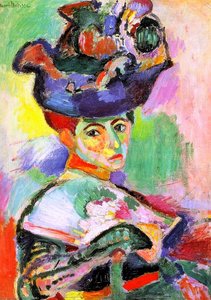 Femme au Chapeau (Woman with Hat), oil on canv - Henri Matisse
Before the explosion of abstraction, there was a moment when color itself became the subject—a radiant rebellion against convention. Henri Matisse’s *Femme au Chapeau* (Woman with Hat), painted in 1905, embodies this pivotal shift and rightfully claims its place among the Top 10 Famous Paintings Dominated by 'Putty' Tones.
Emerging from a summer of intense collaboration with André Derain, this portrait isn’t merely a depiction of Madame Matisse; it’s a declaration of artistic freedom. The vibrant pinks, yellows, and greens—applied in loose, gestural brushstrokes—reject naturalistic representation in favor of pure emotional expression.
The extravagant hat becomes the focal point, an explosion of color that dominates the composition and foreshadows Matisse’s later explorations in abstraction. *Femme au Chapeau* reminds us that art can transform a space—infusing it with energy, glamour, and a timeless sense of beauty.
Conclusion
As the light fades on these ten masterpieces, we’re reminded that their enduring power lies not simply in their historical significance, but in their ability to move us—to evoke emotion, spark conversation, and transform the spaces they inhabit. These ‘putty’ tones, often overlooked, reveal themselves as a subtle language of warmth, intimacy, and quiet contemplation.
At , we believe that art should be accessible to all, enriching lives and shaping environments with beauty and meaning. We are honored to partner with interior designers, architects, and collectors who share this passion—transforming hotels, villas, and refined interiors into artistic statements.
Whether you seek a faithful reproduction of a beloved classic or a custom collection tailored to your unique vision, our skilled artists and dedicated team are here to bring your project to life. From initial art mockups to museum-quality finishes, we ensure that every detail reflects the artistry and emotion of the original work.
Explore the full collection of ‘putty’ toned paintings—and discover the transformative power of color for yourself: full collection . May these timeless masterpieces continue to inspire you, and may your spaces be filled with beauty, wonder, and a touch of artistic magic.