
The Gastronomic Stage: Transitioning from Functional Dining to Immersive Scenography
 Dining as Theater: How Curated Art Transforms Restaurant Interiors into Immersive Stages
The Gastronomic Stage: Transitioning from Functional Dining to Immersive Scenography The Gastronomic Stage: Interior Design as Narrative Framework in the Contemporary Restaurant Experience The Evolving Narrative: From Functional Space to Immersive Ex...
For centuries, the restaurant existed primarily as a practical necessity—a functional room designed for the singular purpose of refueling the weary traveler. However, in the contemporary landscape of high-end hospitality, we have witnessed a profound metamorphosis. The modern appetite extends far beyond mere sustenance; it craively connection, story, and atmosphere. We have entered an era where dining is performance, and the restaurant itself has become a theatrical stage. This transformation is not merely an aesthetic choice but a fundamental shift in how guests interact with food, driven by a desire for experiences that resonate on a visceral, emotional level.
To achieve this, the interior designer must adopt the mindset of a scenographer. It is no longer sufficient to simply furnish a room; one must create an immersive world. This requires treating the architectural footprint as a narrative framework, where every element—from the weight of the linens to the curation of the walls—contributes to a larger, cohesive performance. When we view the dining room as a stage, the selection of art ceases to be mere decoration and instead becomes the primary storyteller, setting the tone before the first course even arrives at the table.
Visual Rhythm and Zoned Art Selection: Curating Narrative Through Color and Form
 Art for Every Course: Using Visual Rhythm to Design Multi-Zone Dining Spaces
The Gastronomic Stage: Defining Narrative Through Zoned Art Selection The Gastronomic Stage: Interior Design as Narrative Framework in the Contemporary Restaurant Experience The Evolving Narrative: From Functional Space to Immersive Experience For ce...
A truly sophisticated dining establishment is rarely a monolithic space; rather, it is a collection of distinct, emotive chapters. The challenge for the discerning restaurateur lies in defining these zones through visual rhythm. Just as a composer uses tempo to guide a listener, a designer can use art to dictate the energy of different areas. A high-energy bar demands a different visual vocabulary than an intimate, candlelit lounge. By utilizing zoned art selection, one can guide the guest through a curated journey, using color and form to signal transitions in mood and purpose.
Consider the power of intentionality in color. The rise of "Dopamine Decor" and bold maximalism suggests a psychological shift toward spaces that stimulate the brain's reward centers. Introducing vibrant yellows, deep magentas, or energetic reds can create a sanctuary of inspiration, much like the way Vincent van Gogh utilized a warm, saturated palette in his 1887 work, Interior of a Restaurant. In that masterpiece, the deep reds and ochres do more than represent furniture; they evoke warmth, conviviality, and a sense of lively abundance. Conversely, for more contemplative zones, one might look to the meticulous grayscale strokes of Van Gogh’s early sketches, which offer a study in atmosphere and quiet observation, perfect for a space designed for introspection.
The Psychology of Atmosphere: Using Masterpieces to Stimulate the Sensory Experience
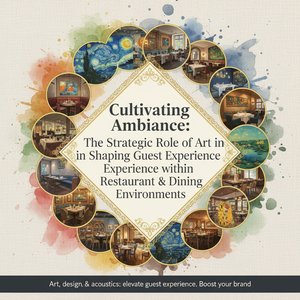 Cultivating Ambiance: The Strategic Role of Art in Shaping Guest Experience within Restaurant & Dining Environments
The Psychology of Restaurant Design: Beyond Aesthetics Wikipedia: Environmental psychology Environmental psychology is a branch of psychology that explores the relationship between humans and the external world. It examines the way in which the natur...
The relationship between humans and their built environments is deeply rooted in environmental psychology. We do not simply eat in a space; we respond to it with our entire being. The orchestration of light, texture, and spatial arrangement profoundly influences our perception of taste and mood. A well-curated collection of art acts as a silent ambassador, bridging the gap between the chef’s culinary vision and the guest's sensory reception. When a space is adorned with museum-quality reproductions, it establishes an immediate sense of vitality and cultural prestige.
The strategic use of art can manipulate the perceived "temperature" of a room. A collection featuring the light-drenched, impressionistic strokes of Monet can lend an airy, ethereal quality to a brunch setting, while the heavy, textured impasto of a Post-Impressionist work can add weight and importance to a fine-dining evening service. This sensory stimulation is essential for creating enduring emotional connections. By selecting artworks that possess a palpable sense of texture and movement—where the visible brushstrokes invite the eye to linger—the restaurateur creates an environment that feels authentic and deeply layered, much like the complex flavors of a signature dish.
From Impressionism to Maximalism: Selecting Art Movements for Diverse Dining Zones
 Interior of a Restaurant
A Captivating Glimpse into Parisian Life: Vincent van Gogh’s “Interior of a Restaurant” Vincent van Gogh's "Interior of a Restaurant," painted in 1887, isn’t merely a depiction of a bustling eatery; it’s a vibrant snapshot of everyday life imbued wit...
Navigating the vast history of art allows a designer to select the perfect "movement" for each culinary concept. For a bistro that celebrates the charm of Parisian life, the vibrant, stippled techniques of Pointillism or the emotional intensity of Impressionism can recreate the shimmering energy of an urban eatery. These movements, characterized by their focus on light and immediate impression, complement the fleeting, joyful nature of casual dining.
For more avant-garde or contemporary concepts, one might pivot toward the structured complexity of Cubism or the bold, graphic nature of modern movements. This allows for a "remixing" of art history, where a restaurant can inhabit multiple eras simultaneously. The goal is to avoid the sterile, monochromatic minimalism that has long dominated the industry in favor of a more curated, soulful approach. Whether it is through the use of multi-panel group sets that span a wide wall or a single, commanding large-format canvas, the movement chosen should reflect the cultural origins and the culinary soul of the menu.
Architectural Integration: Large-Format Murals, Multi-Panel Sets, and Bespoke Commissions
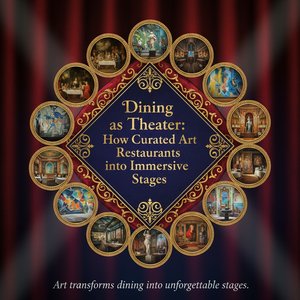 The Gastronomic Stage: Interior Design as Narrative Framework in the Contemporary Restaurant Experience
The Evolving Narrative: From Functional Space to Immersive Experience For centuries, the restaurant existed primarily as a practical necessity – a place to refuel. But the modern appetite extends far beyond sustenance; it craves connection, story, an...
The final layer of sophisticated design is the seamless integration of art into the very architecture of the space. For grand hotel dining rooms or expansive restaurant halls, large-format murals and ceiling frescoes can recreate the breathtaking majesty of historical landmarks like the Sistine Chapel. These works, painted on massive canvas rolls, transform a ceiling from a structural necessity into a celestial canopy.
At OriginalUniqueArt.com, we specialize in bringing these historical narratives to life through meticulous, hand-painted oil reproductions. Our artists, all holders of prestigious Fine Arts degrees, work on 100% cotton canvas to ensure every brushstroke and tonal depth is captured with museum-grade accuracy. Whether you are looking to adorn a single corner with a delicate sketch or require large-scale architectural murals for a global hospitality project, our professional Project Coordinators are available to guide your vision from digital mockup to final, hand-varnished delivery.


