The Evolving Role of Art in Hospitality: Beyond Aesthetic Appeal
For generations, art within the hospitality industry was often relegated to a supporting role – a decorative flourish intended to complement furnishings and create a pleasant ambiance. However, this perception has undergone a profound transformation. Today’s discerning traveler seeks more than mere comfort; they crave experiences, connections, and a sense of place. Consequently, art is no longer simply *about* the space; it's integral to defining it, communicating its values, and forging lasting memories. This shift demands a sophisticated approach to curation, one that moves beyond superficial aesthetics and embraces art as a powerful tool for brand storytelling.
Historically, grand hotels employed art to signal prestige and cultural refinement – think of the opulent interiors of Belle Époque establishments adorned with classical sculptures and paintings. These collections weren’t merely decorative; they were statements of wealth, power, and an aspiration towards high society. While that legacy persists in some luxury properties, contemporary hospitality is increasingly focused on authenticity and a deeper engagement with local contexts. The rise of boutique hotels and resorts has further fueled this trend, prioritizing unique narratives and immersive experiences over standardized opulence.
The modern hotel guest isn’t simply looking for a beautiful picture on the wall; they are seeking an emotional resonance, a connection to something larger than themselves. A thoughtfully chosen piece can spark conversation, evoke nostalgia, or even challenge perceptions. This requires a nuanced understanding of art history, cultural symbolism, and the psychological impact of visual imagery.
Defining Brand Identity Through Curated Collections: A Strategic Approach
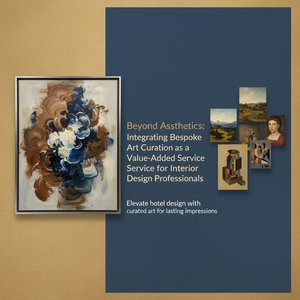
The most successful hotel art programs are those that are inextricably linked to the brand’s core identity. Before selecting a single piece, it's crucial to articulate the hotel’s values, target audience, and overall narrative. What story does the hotel want to tell? Is it one of historical grandeur, contemporary innovation, or perhaps a celebration of local culture? The art collection should serve as a visual embodiment of these principles.
Consider Divya Thakur's work – her installations seamlessly blend modern aesthetics with rich cultural influences, transforming spaces into immersive experiences. Her approach exemplifies the power of art to communicate a unique brand identity. Similarly, hotels can draw inspiration from local artists and craftspeople, showcasing regional talent and fostering a sense of community. This not only enhances the guest experience but also supports the local economy and reinforces the hotel’s commitment to sustainability.
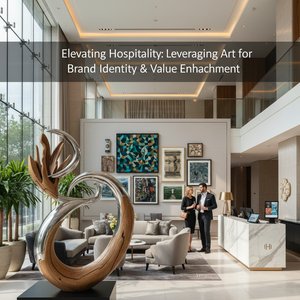
Strategic curation involves more than simply selecting visually appealing pieces; it requires careful consideration of scale, composition, and placement. A large-scale mural in the lobby can create a dramatic focal point, while smaller works in guest rooms can offer moments of intimate discovery. The goal is to create a cohesive visual experience that reinforces the brand’s message at every touchpoint.
Sourcing Authenticity & Cultural Relevance: Global Aesthetics for Discerning Guests
The pursuit of authenticity has become paramount in today's travel market. Guests are increasingly wary of generic, mass-produced art and seek experiences that feel genuine and culturally relevant. This necessitates a global perspective, exploring diverse artistic traditions and supporting artists from around the world.
Institutions like the Bangkok Art and Culture Centre (BACC) offer valuable insights into contemporary Thai and Southeast Asian art, showcasing vibrant exhibits and fostering a dynamic arts hub. Similarly, the National Museum of Puerto Rican Arts and Culture in Chicago provides a platform for celebrating local heritage and artistic expression. These museums serve as inspiration for hotels seeking to incorporate culturally relevant artwork into their collections.
However, sourcing authenticity requires diligence and ethical considerations. It’s crucial to ensure that artists are fairly compensated and that artworks are acquired through legitimate channels. Collaborating with reputable art consultants can help navigate these complexities and ensure a responsible approach to procurement.
Art Integration as a Narrative Tool: Enhancing Guest Experiences and Storytelling
Beyond visual appeal, art has the power to enhance guest experiences and create lasting memories. Strategic integration of artwork can transform mundane spaces into immersive environments, sparking conversation and fostering a sense of connection.
As highlighted in “Narrative Walls: Curating Art Journeys for Hotel Identity & Guest Engagement,” expertly curated art can elevate a hotel’s identity and build lasting brand connections. This involves more than simply displaying artwork; it requires creating a cohesive narrative that resonates with guests on an emotional level.
Consider incorporating local folklore, historical events, or artistic traditions into the collection. Interactive installations, artist-led workshops, or guided art tours can further enhance the guest experience and foster a deeper appreciation for the hotel’s cultural context. The goal is to create a sense of discovery and encourage guests to engage with the artwork on a personal level.
Practical Considerations for Hotel Art Curation: Budget, Logistics, and Maintenance
While artistic vision is paramount, practical considerations such as budget, logistics, and maintenance cannot be overlooked. Developing a realistic budget early in the process is crucial, factoring in not only the cost of artwork but also framing, shipping, installation, and ongoing conservation.
Logistics can be particularly challenging for multi-property hotel groups, requiring careful coordination and efficient transportation. Collaborating with experienced art handlers can streamline this process and ensure that artworks are safely delivered and installed. Ongoing maintenance is equally important, including regular cleaning, restoration, and insurance coverage.
It’s also essential to consider the long-term implications of artwork selection. Choosing durable materials and employing professional framing techniques can help protect investments and minimize future maintenance costs.
Measuring the ROI of Art Investments: Value Appreciation and Brand Equity
Traditionally, art was viewed as a cost center within the hospitality industry. However, this perception is rapidly evolving as hotels recognize the potential for value appreciation and brand equity enhancement. While quantifying the direct financial return on art investments can be challenging, several metrics can be used to assess its impact.
As discussed in “Global Aesthetics in Luxury Interiors: Curating Culturally Themed Art Collections for Discerning Clients,” curated art collections elevate luxury interiors and transform spaces with OriginalUniqueArt. Increased guest satisfaction, positive online reviews, and enhanced brand reputation are all indicators of a successful art program. Furthermore, artworks can appreciate in value over time, providing a potential return on investment.
OriginalUniqueArt.com offers a comprehensive suite of services to support hotel art curation, from personalized consultations and custom reproductions to appraisal services and logistical support. Our team of experts provides guidance on provenance, ethical sourcing, and bespoke pieces for discerning clients, ensuring that every artwork contributes to the overall brand narrative and enhances the guest experience. We believe that art is not merely a decorative element; it’s an investment in creating lasting memories and fostering enduring connections.