Romanticism
Untitled 11 (William Blake)
William Blake (1757–1827) on loonud teose Untitled 11. See kuulub Romanticism suuntrime. Teos on valmistatud materjalist Acrylic On Paper.
- Acrylic On Paper

 Eelvaade

 Käsitsi maalatud õlimaalatsioon
 Saada
 Jaga
 Teave teose kohta


 Laadi alla
 Sarnased teosed
 Röntgenuuring
 Slaidietendus
 KÜSIMUSED JA VASTUSID

 Statistika
Untitled 11 lühidalt
- Pealkiri
- Untitled 11
- Kunstnik
- William Blake (1757–1827)
- Kunstnik on sündinud
- London, Suurbritannia
- Tehnika
- Acrylic On Paper
- Suunad
- Romanticism
- Aeglkond
- High Medieval
- Teema
- suffering, struggle, figures, monochrome, emotion, blake
Mida Untitled 11 kujutab?
A Vision of Raw Emotion: Unveiling William Blake’s “Untitled 11”
William Blake's "Untitled 11," a monochrome drawing executed with charcoal or graphite, isn’t merely a depiction of figures; it’s an immersion into the heart of human experience – a potent distillation of suffering, defiance, and perhaps even spiritual yearning. Born in London during the tumultuous years of the late 18th century, Blake was a visionary artist and poet whose work consistently challenged conventional artistic norms and explored profound philosophical themes. This particular drawing, created around the period of his most intense creative output (roughly 1790-1820), embodies the core tenets of his style: an emphasis on emotion over precise representation, a fascination with symbolism, and a willingness to confront uncomfortable truths about the human condition.
The artwork immediately commands attention through its stark simplicity. Rendered entirely in shades of gray—a deliberate choice that strips away any potential distraction from the emotional core of the piece—it presents three primary figures arranged within a shallow, ambiguous space. A central figure stands with arms raised in a gesture that could be interpreted as supplication, anguish, or even a desperate reaching for something beyond earthly grasp. Below this figure lie two others, seemingly prostrate or locked in a struggle, their postures conveying defeat and vulnerability. This triangular composition creates a dynamic tension, drawing the viewer’s eye towards the central figure while simultaneously highlighting the despair of those beneath.
The Language of Line: Technique and Expression
Blake's technique is characterized by an extraordinary fluidity and expressiveness. The lines are loose, sketchy, and intensely gestural—a hallmark of his rapid sketching approach. Hatching and cross-hatching are employed not to create smooth shading but rather to build up tonal variations with a palpable sense of urgency and movement. The uneven texture, achieved through the deliberate roughness of the lines, suggests an immediacy and spontaneity rarely found in more formally rendered works. The varying thickness of the lines further amplifies this effect, conveying both strength and fragility within the figures themselves.
Notably, there’s a complete absence of color—a conscious decision by Blake to focus entirely on the interplay of light and shadow. This monochrome palette intensifies the emotional impact of the drawing, forcing the viewer to engage with the forms and gestures in their purest, most unadulterated state. The lack of color also echoes Blake's broader philosophical concerns – a rejection of superficial appearances and a desire to penetrate beneath the surface to reveal deeper truths.
Symbolism and Interpretation: A Tapestry of Meaning
“Untitled 11” is rich in symbolic potential, inviting multiple interpretations. The raised arms of the central figure are particularly compelling—they could represent a plea for divine intervention, a defiant assertion against overwhelming odds, or perhaps even an acknowledgement of humanity’s inherent limitations. The prostrate figures beneath suggest defeat, submission, or the crushing weight of suffering. Considering Blake's broader body of work – his engagement with biblical narratives, mythology, and philosophical concepts – it’s clear that this drawing is not simply a depiction of isolated individuals but rather an exploration of universal themes: struggle, faith, despair, and the search for meaning in a chaotic world.
The artwork's historical context further enriches its interpretation. Created during a period of significant social and political upheaval—the French Revolution, the rise of industrialization, and the questioning of traditional religious beliefs—"Untitled 11" can be seen as a reflection of these anxieties and uncertainties. Blake’s work often served as a critique of societal injustices and a call for spiritual renewal.
Bringing “Untitled 11” into Your Space: A High-Quality Reproduction
OriginalUniqueArt offers meticulously crafted, hand-painted reproductions of William Blake's "Untitled 11," capturing the essence of his visionary style with unparalleled fidelity. Our artists replicate the drawing’s dynamic lines, expressive textures, and evocative tonal range using traditional techniques and archival-quality materials. This ensures that your reproduction will not only be a beautiful addition to your home or office but also a lasting testament to Blake's enduring legacy. Whether you are an art collector, an interior designer seeking to infuse a space with emotional depth, or simply someone captivated by the power of Blake’s vision, our hand-painted reproductions provide a unique and authentic way to experience this extraordinary artwork.
Untitled 11 kõrge resolutsiooniga pildid
Avalik omanik: kunstnik suri aastal 1827.
William Blake, Untitled 11. Avalik omaniklik õigus
Digitaalsete ekspertide poolt originaalvärvidega vastavaks vormitud ja kunstniku pintlapidega täpselt kohanitud, hoolikalt retušeeritud fail.
Osta kõrge resolutsiooniga failKüsimused teemal Untitled 11 – vastused
Millest on teos "Untitled 11" valmistatud?
Teose "Untitled 11" loomisel kasutas William Blake Acrylic On Paper tehnikat. See tehnika määrab originaalteose materjalilise olemuse.
Mida „Untitled 11“, autor William Blake kujutab?
Teemad, mis teoses „Untitled 11“, autor William Blake esinevad, hõlmavad suffering, struggle, figures, monochrome, emotion, blake, distress, anguish. Koos need kokkuvõtavad teose sisu.
Kas teos „Untitled 11“, autor William Blake kuulub avalikku omandisse?
Autoriõiguse teave teose „Untitled 11“, autor William Blake kohta: teos kuulub luba ala avalikus õiguses – selle autoriõigud onหมดunud. See määrab, kas kujundist on lubatud vabadelt reproduktsioone teha.
Kes on teose "Untitled 11" kunstnik?
Teose "Untitled 11" looja on William Blake. Teos on kataloogitud nime William Blake all.
Millissele kunstisuunale kuulub teos „Untitled 11“, autor William Blake?
"Untitled 11" on Romanticism suunaga teos. See suundumine viitab kunstilisele traditsioonile, millega teos on seotud.
Millist etap William Blake loomingus teos "Untitled 11" esindab?
Teos "Untitled 11" kuulub William Blake loomingulise karjääri perioodi Late Period. See klassifikatsioon seostab teose kunstniku loovliku arenguga.
Miks on teose "Untitled 11" autoriõiguste staatus selline, nagu see on?
William Blake teos "Untitled 11" on avalikus õiguses – selle autoriõigud onหมดunud. Autoriõiguse kaitseajad arvutatakse alates kunstniku surmaõigustest ning William Blake suri aastal 1827.
Kust koht teoses "Untitled 11" on William Blake loomingus?
William Blake loomingus on teos "Untitled 11", mis kuulub Romanticism stiili ja kordub teemad nagu blake’s prophetic visions, spiritual turmoil, religious doubt, social critique themes, romanticism, emotional intensity, symbolism, exploring human condition.
Kas teos "Untitled 11" on tüüpiline sellele, mida William Blake tavaliselt lõi?
William Blake korduvad teemad hõlmavad blake’s prophetic visions, spiritual turmoil, religious doubt, social critique themes, romanticism, emotional intensity, symbolism, exploring human condition; teos "Untitled 11" keskendub suffering, struggle, figures, monochrome, emotion, blake, distress, anguish.
Kunstnikust, William Blake

1757–1827, Suurbritannia
William Blake
Varane elu, pere ja õppimisaastad William Blake sündis 28. novembril 1757 aastal Londonis, Inglismaal. Ta kasvas kodus, mis asus tema isa kangaste müügipoone üle Broad Streeti 28. numbris.
Ka William Blake teosed
 Päevade Vanem1794
 Newton
 Vanavanema kujundus1794
 Suur punane lohe ja päikesega rõõvitud naine
Essee teemadel Untitled 11
 The Silent Language of Line: Mastering Hatching and Cross-Hatching for Depth and TextureMaster the art of hatching and cross-hatching with our expert guide. Explore the historical evolution from Renaissance masters like Dürer t…
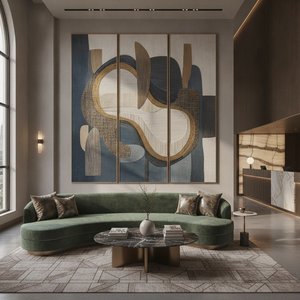 Sisearhitektide Eksklusiivne Partnerlus: Kohandatud Kunstiteoste Loodud Kvaliteedi ja Kiirusega – Uue Mõõtmega DisainiprojektidesOriginalUniqueArt pakub eksklusiivset partnerlust sisearhitektidele – kvaliteetsed kohandatud kunstiteosed, käsitsi maalitud reproduktsioon…
 25 Masterpieces by William Blake: The Visionary Art of a Romantic LegendStep into the visionary world of William Blake. Explore 25 iconic Romantic masterpieces, from his mystical illuminated prints to legendary …