Contemporary Realism · 1874
Forgiven (Thomas Faed, 1874)
Thomas Faed (1826–1900) on loonud teose Forgiven. See on pärinev 1874 aastast. See kuulub Contemporary Realism suuntrime. See on valmistatud materjalist Oil On Canvas. Teos on säilitatud Guildhall Art Gallery kogamuses London, Ühendkuningriik. Mõõtmed on 36 × 48 cm.
- 1874
- Oil On Canvas
- 36 × 48 cm
- Guildhall Art Gallery, London

 Eelvaade

 Käsitsi maalatud õlimaalatsioon
 Saada
 Jaga
 Teosest infokaart


 Laadi alla
 Sarnased teosed
 Röntgenuuring
 Slaidietendus
 KÜSIMUSED JA VASTUSID

 Statistika
Forgiven lühidalt
- Pealkiri
- Forgiven
- Kunstnik
- Thomas Faed (1826–1900)
- Kunstniku sünnukoht
- Kirkcudbright, Suurbritannia
- Kuupäev
- 1874
- Materjalid
- Oil On Canvas
- Mõõtmed
- 36 × 48 cm
- Kus seda näeb
- Guildhall Art Gallery, London, Ühendkuningriik
- Liikumine
- Contemporary Realism
- Aeglkond
- 19th Century
- Teema
- family portrait, domestic scene, victorian era, warmth, rural life, intimate moment
Mida Forgiven kujutab?
Identification of Forgiven by Thomas Faed
In this intimate oil on canvas, titled Forgiven, the Scottish artist Thomas Faed explores the quietude of domestic life. Created in 1874, the work offers a glimpse into the sentimental realism that defined much of Faed's career. The piece is modest in scale, measuring 36 x 48 cm, which encourages a close, personal encounter with the figures depicted.
Faed, born in 1826 in Gatehouse of Fleet, United Kingdom, possessed a particular sensitivity to the textures of everyday existence. Through Forgiven, he captures a specific moment of familial connection, utilizing the medium of oil to build a sense of warmth within a humble setting. The work remains a significant example of his ability to translate human emotion into a visual narrative.
The Composition and Visual Elements
The scene unfolds within a dimly lit, rustic interior, capturing a quiet moment of domesticity. At the center of the composition, a family group is gathered around a table, consisting of an older man, a woman, and a young child. The arrangement feels somewhat cluttered, with various objects scattered throughout the space to suggest a lived-in, humble setting. This density of detail creates a sense of immediacy, as if we have stumbled upon a private, unposed instance of daily life.
Lighting is used with great subtlety here. The primary source of illumination emanates from a fireplace located on the left side of the frame, casting soft light across the figures and creating deep shadows that provide a sense of volume. This interplay of light and shadow allows for a clear sense of depth, achieved through the careful layering of the figures and the surrounding furniture. The atmosphere remains somber and quiet, grounded by a color palette dominated by muted greens, browns, and grays.
Technique and Style
The work is executed in oil on canvas, utilizing a painterly technique that prioritizes the immediate sensation of the scene. You can see the visible brushstrokes throughout the composition, which lend a sense of immediacy to the domestic setting. The lines are predominantly organic and slightly loose, avoiding the rigid precision of more academic works. This approach allows the forms to settle into the space with a natural, unforced quality.
The lighting is subdued, emanating from a fireplace to the side, which has a profound effect on how the shapes are perceived. Because of this soft illumination, the edges of the figures and objects lack sharpness; instead, they appear somewhat softened, blending gently into the shadows. This creates a palpable sense of volume and depth within the rustic interior. You can feel the tactile nature of the environment through the way the paint is applied to the rough wooden surfaces and the heavy folds of the fabric.
Where to See This Work Today
You may find this work at the Guildhall Art Gallery in London, United Kingdom. It is part of the collection held by the City of London, England. The gallery is situated within the Moorgate area, offering a quiet space to observe the nuances of Faed's brushwork.
The museum itself is housed in a stone building designed in a semi-Gothic style. It provides a dignified setting for such intimate domestic scenes. If you find yourself in the city, the architecture of the gallery complements the historical weight of the pieces within its walls.
Related Works by Thomas Faed
To understand the breadth of Faed's output, one might look toward his earlier compositions, such as His Only Pair, which dates from about 1860. This period of his career also produced Listeners Ne'er Hear Any Good Of Themselves, a work that reflects his interest in the nuances of human interaction. His ability to handle narrative was further demonstrated in The Last of the Clan, completed in 1865. These pieces offer a glimpse into the development of his specific approach to genre painting and the quietude of domestic life.
Several of his most significant paintings are held in permanent collections, allowing for a deeper study of his technical skill. The Silken Gown is part of the collection at the Tate Gallery. In the Aberdeen Art Gallery, one can find both Highland Mary and The Reaper. These works, alongside celebrated pieces like The Motherless Bairn and Scott and His Literary Friends at Abbotsford, illustrate the range of his subject matter, from intimate studies to more expansive, literary-inspired scenes.
Kumba muuseumis asub teos Forgiven?
Guildhall Art Gallery
London, Ühendkuningriik
Aja kanga: kus viktoriaanlik ihtus kohtub Rooma kaja kordusega Londri ajaloolise City piirkonna südames pakub Guildhall Art Gallery palju rohkem kui lihtsalt vaadetust kestad; see pakub sügavustundlikku sensorilist teekonda läbi inimtsivilisatsiooni kihtide. Sisse astumine on sagedus, kus viktoriaanliku ajastu peen elegans hingab koos Rooma Briti karedate ja püüdlevate kividega. See ainulaadne institutsioon saavutas muuseumimaailmas haruldase saavutuse, kootides ühtseks lõimuks üheksneks sajandi meistrite õhulised pintoonid ja vana帝国 kättesaadavad, maapinna all asuvad ekodid.

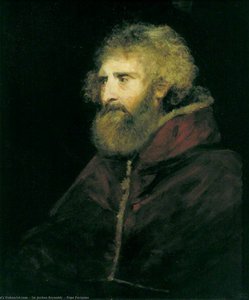

Forgiven kõrge resolutsiooniga pildid
Thomas Faed, Forgiven (1874), Guildhall Art Gallery. Avalik omaniklik õigus
Küsimused teemal Forgiven – vastused
Kust saan näha originaalteost „Forgiven“, autor Thomas Faed?
Originaalteost "Forgiven" saab vaadata Guildhall Art Gallery, London, Ühendkuningriik-is.
Millal loodi teos "Forgiven"?
Teos „Forgiven“, autor Thomas Faed loodi aastal 1874.
Millises materjalis on teos „Forgiven“, autor Thomas Faed valmistatud?
Teose "Forgiven" loomisel kasutas Thomas Faed Oil On Canvas tehnikat. See tehnika määrab originaalteose materjalilise olemuse.
Mis on teose „Forgiven“, autor Thomas Faed tegelik suurus?
Originaalteose „Forgiven“, autor Thomas Faed mõõdud on 36 x 48 cm.
Mille kohta teos "Forgiven" on?
Teemad, mis teoses „Forgiven“, autor Thomas Faed esinevad, hõlmavad family portrait, domestic scene, victorian era, warmth, rural life, intimate moment, family bonds, soft lighting. Koos need kokkuvõtavad teose sisu.
Kas teos "Forgiven" on ilma autoriõigusteta?
Teos „Forgiven“, autor Thomas Faed on lubaõiguslikult avalik && copyright on aegunud. See staatus reguleerib teose pildi reprodüseerimise võimalusi.
Kes on teose "Forgiven" looja?
Teose "Forgiven" autoriks on mõeldud Thomas Faed.
Millisse kunstisuuna kuulub teos „Forgiven“, autor Thomas Faed?
Teos „Forgiven“, autor Thomas Faed kuulub Contemporary Realism suunasse. See suund annab teosele stilistilise konteksti.
Kuhu Thomas Faed loomingulisse perioodi kuulub teos "Forgiven"?
Teos "Forgiven" esindab kunstniku Thomas Faed loovperioodi Mature Period.
Kunstnik Thomas Faed kohta

1826–1900, Suurbritannia
Thomas Faed
Šotiidse tundlikkuse pärand Thomas Faed hoiab eripositšioonil Šotiit artrikraamatuses, teda kirjeldatakse sageli sügava austusega, nagu seda võiks tunda Robert Burnsi mõju suhtes Šotiidi laulupärandi. Sündinud Kirkcudbrightshire'i piirkonnas Barlay Millis, kuulus Faed märkimistesa loovate inimestega ätts sainud perese, kus tema vennad James ja John ning õde Susan jagasid seda sügavat kunstikatset. Tema varajane elu oli juurdunud Galloway karge ja ilu täis maastikus – keskkonnas, mis on il undoubtedly andnud kuju tema kõige armsamate teoste soojustele ja kodusele atmosferile. Pärast ametlikku kunstikatmist Edinburgi disainikoolis alustas ta teekonda, mis juhtis teda Šotiidi südameklust kuni Londoni prestiižsete stuudioideni.
Ka Thomas Faed teosed
 Worn Out
 Highland Mary1857
 Faults on Both Sides1861
 The Doctor's Visit1889
Teemad teemal Forgiven
 The Timeless Beauty of Oil on Canvas: A Masterclass in Texture, Impasto, and Artistic MasteryDiscover the profound allure of oil on canvas. Explore the mastery of impasto textures, the science of pigment longevity, and expert guides…
 Masterpieces of Quinten Metsys: The Top 25 Essential ArtworksExplore 25 iconic works by Quinten Metsys, the master of the Antwerp School. Discover his Flemish Renaissance gems on OriginalUniqueArt.com.
 Masterpieces of Realism: The Top 25 Artworks by Thomas EakinsExplore the top 25 masterpieces of American Realism by Thomas Eakins. Discover his iconic works and find curated art on OriginalUniqueArt.c…