Pre-Raphaelite Revival · 1847
Infancy (John Everett Millais, 1847)
Infancy on teos kunstnikult John Everett Millais (1829–1896). See on pärinev 1847 aastast. See kuulub Pre-Raphaelite Revival suuntrime. Teos on valmistatud materjalist Oil On Canvas. Teos asub Leeds Art Gallery kogamuses Leeds, Ühendkuningriik.
- 1847
- Oil On Canvas
- Leeds Art Gallery

 Eelvaade

 Käsitsi maalatud õlimaalatsioon
 Saada
 Jaga
 Juhend


 Laadi alla
 Sarnased teosed
 Röntgenuuring
 Slaidietendus
 KÜSIMUSED JA VASTUSID

 Statistika
Infancy: põhitooded
- Pealkiri
- Infancy
- Kunstnik
- John Everett Millais (1829–1896)
- Kunstnik on sündinud
- Southampton, Suurbritannia
- Kuupäev
- 1847
- Tehnika
- Oil On Canvas
- Kus seda näeb
- Leeds Art Gallery, Leeds, Ühendkuningriik
- Suunad
- Pre-Raphaelite Revival
- Aeglkond
- 19th Century
- Teema
- motherhood, childhood, pastoral, innocence, victorian, landscape
Teos: Infancy
Infancy by Sir John Everett Millais: A Window into Victorian Sentiment
Sir John Everett Millais’s “Infancy,” completed in 1847, is more than just a depiction of a mother and her children; it's a meticulously crafted meditation on innocence, domesticity, and the burgeoning ideals of the Pre-Raphaelite movement. This serene scene, rendered with an almost unsettling realism, immediately draws the viewer into a world of quiet contemplation, inviting us to witness a tender moment frozen in time. The painting’s arched composition, reminiscent of medieval altarpieces, elevates the subject matter, suggesting a sacredness and timeless quality that resonated deeply with Victorian sensibilities.
A Masterclass in Pre-Raphaelite Technique
- Detailed Observation: Millais’s genius lay in his unwavering commitment to observation. He spent an extraordinary amount of time studying the subjects – the model, the children, and even the sheep – striving for a level of accuracy that bordered on photographic. This dedication is evident in every detail, from the delicate folds of the mother's dress to the individual strands of hair framing her face.
- Layered Application: The painting’s remarkable smoothness stems from Millais’s masterful technique of layering paint. He built up tones gradually, creating subtle gradations that give the figures and landscape a palpable sense of depth and volume. This painstaking process demanded immense patience and control.
- Color Palette & Light: The muted color palette – dominated by blues, creams, and browns – contributes significantly to the painting’s tranquil atmosphere. Millais expertly manipulated light, employing soft, diffused illumination that eliminates harsh shadows and enhances the sense of serenity.
Symbolism and Emotional Resonance
“Infancy” is rich in symbolic meaning, reflecting the prevailing concerns and aesthetic values of Victorian society. The presence of sheep, a recurring motif in Millais’s work, carries multiple layers of interpretation. They can be seen as representing purity, gentleness, or even allusions to biblical imagery – particularly the story of Jacob wrestling with the angel. Beyond these specific references, the painting powerfully conveys feelings of peace, tenderness, and maternal devotion. The arched format itself suggests a portal, a sacred space where the viewer is invited to contemplate the beauty and sanctity of family life.
Historical Context and Artistic Influence
Created during a period of significant artistic upheaval in Britain, “Infancy” stands as a pivotal work within the Pre-Raphaelite Brotherhood. This group of artists rebelled against the academic conventions of the Royal Academy, seeking to revive the style and spirit of art produced before Raphael. Millais’s meticulous realism, his emphasis on naturalism, and his rejection of idealized forms were all hallmarks of this movement. “Infancy” exemplifies these principles perfectly, solidifying Millais's position as a leading figure in British art and profoundly influencing generations of artists to come. The painting’s enduring appeal lies not only in its technical brilliance but also in its ability to evoke a timeless sense of wonder and beauty.
Kus Infancy täna ripub
Leeds Art Gallery
Leeds, Ühendkuningriik
Briti visiooni viktoriaanlik pühakoda Loodis Yorkshire'i vibratil südames asuv Leeds Art Gallery seisab kui sügav väärikas tunnistus kunstipatroonimise ja kodaniku горkusest. See galeria loodi 1888. aastal, et tähistada kuninganna Viktoria kuldset jubileumi — tegu on žestiga, mis peegeldab selle ajastu sügavat pühendumust progressile ja esteetilisele täiuslikule.


Infancy kõrgel resolutsioonil
Avalik omanik: kunstnik suri aastal 1896.
John Everett Millais, Infancy (1847), Leeds Art Gallery. Avalik omaniklik õigus
Digitaalne ekspert kontrollib värve vastavust originaalteosele ja retusseerib faili, püsides truulena kunstniku pintlapidele.
Osta kõrge resolutsiooniga piltKüsimused teemal Infancy
Mis on teose „Infancy“, autor John Everett Millais kunst ajalooline positsioon?
Teos „Infancy“, autor John Everett Millais kuulub kunstilooliselt suunale Pre-Raphaelite Revival ja on pärit 19th Century ajastust.
Millises suunand ja millises ajastu kontekstis on „Infancy“, autor John Everett Millais paikati?
Teos "Infancy" kuulub Pre-Raphaelite Revival suunale ning selle looja tegutses 19. sajand ajastul.
Millist emotsionaalset toonikut saadab endale kuulutada teose "Infancy" Pre-Raphaelite Revival stiil?
"Infancy" kannab endas Calm emotsionaalset toonist, mis on omane Pre-Raphaelite Revival suunale.
Millissele kunstisuunale kuulub teos „Infancy“, autor John Everett Millais?
Teosest „Infancy“, autor John Everett Millais tuntud kunstisuuna on Pre-Raphaelite Revival. See klassifikatsioon aitab teost paigutada sarnaste kunstnike ja teoste hulka.
Millised värvid domineerivad teoses „Infancy“, autor John Everett Millais?
Teoses „Infancy“, autor John Everett Millais on kasutatud Neutrals värvipaletti, kus domineerib Steel Blue (#7a98ba) värv.
Mis on teose „Infancy“, autor John Everett Millais domineeriv väritoon?
Teose „Infancy“, autor John Everett Millais domineeriv toon on Green to Violet Spectrum. See toon on paleti alusvärv.
Mis on teose „Infancy“, autor John Everett Millais loomisaeg ja stiil?
Teos „Infancy“, autor John Everett Millais on pärinev aastast 1847 ning kuulub suunale Pre-Raphaelite Revival.
Millisele kunstnikule on teos "Infancy" atribuutseeritud?
Teose "Infancy" looja on John Everett Millais. Teos on kataloogitud nime John Everett Millais all.
Kas teost „Infancy“, autor John Everett Millais hoiustatakse kunstniku kodumaal?
Ei – teos asub välismaal. John Everett Millais sünnimaa on Suurbritannia ning teose "Infancy" originaali hoiab endas muuseum, mis asub riigis Ühendkuningriik.
Kunstnikust, John Everett Millais

1829–1896, Suurbritannia
John Everett Millais
A Prodigy of the Pre-Raphaelites: The Life and Art of Sir John Everett Millais Born in Southampton 1829. aastal, astus John Everett Millais Royal Academy Schools’i juba üllataval eleveni vanuses – noorim õpilane, kes kunagi kooli vastu võetud oli. See varajane andekuse ilmutus ennustas karjääri, mis mitte ainult ei defineerinud kunstiliikumist, vaid ka köitis viktoriaanlikku kujutlusvõimet oma hingatavale realismiga ja emotsionaalse sügavusega. Juba varasest east omandas Millais tähelepanuväärse vaatlustalendi, kvaliteedi, mis sai tema kunstiliste stiili nurgakiviks.
Teel John Everett Millais kohta John Everett Millais silmapaistvad teosed
Ka John Everett Millais teosed
 Ophelia1851
 Christ in the House of His Parents (`The Carpenter1849
 Pimed naine1856
 Hugenott, St. Bartholomeuse päeval, keeldub ohtult kaitumast Rooma katooliku mälestisõna kandmises1852
Essays around Infancy
 10 Pre-Raphaelite Masterpieces: Vivid Colors and Timeless DetailExplore iconic Pre-Raphaelite works by Millais and Waterhouse. Discover museum-quality art on OriginalUniqueArt.com.
 Sir John Everett Millais: Pre-Raphaelite Rebellion & Victorian Narrative DetailExplore the revolutionary art of Sir John Everett Millais & the Pre-Raphaelite Brotherhood. Discover their radical realism, symbolic narrat…
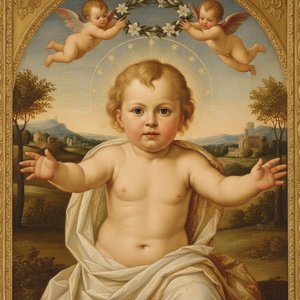 Divine Innocence: A Guide to Capturing the Beauty of Baby Jesus in Fine Art HistoryExplore the profound beauty of Baby Jesus in fine art history. From Raphael's Renaissance masterpieces to symbolic light, discover how clas…