International Gothic · 1312
Window (Simone Martini, 1312)
Simone Martini (1284–1344) on loonud teose Window. See on pärinev 1312 aastast. See kuulub International Gothic suuntrime. Teos on valmistatud materjalist Acrylic On Canvas.
- 1312
- Acrylic On Canvas

 Eelvaade

 Käsitsi maalatud õlimaalatsioon
 Saada
 Jaga
 Teave teose kohta


 Laadi alla
 Sarnased teosed
 Röntgenuuring
 Slaidietendus
 KÜSIMUSED JA VASTUSID

 Statistika
Window lühidalt
- Pealkiri
- Window
- Kunstnik
- Simone Martini (1284–1344)
- Kunstnik on sündinud
- Siena, Itaalia
- Kuupäev
- 1312
- Tehnika
- Acrylic On Canvas
- Suunad
- International Gothic
- Teema
- stained_glass, medieval_art, siena, martini, religious_imagery, italian_painting
Mida Window kujutab?
Simone Martini’s Window: A Fragment of Siena’s Gothic Soul
The painting “Window” by Simone Martini—a masterpiece executed in 1312—isn't merely an image; it’s a portal into the artistic fervor and spiritual contemplation of Siena during its zenith as a medieval principality. More than just depicting a simple architectural element, Martini transforms this commonplace feature into a vehicle for profound symbolism and masterful execution, embodying the very essence of International Gothic style. Its unassuming appearance belies the intricate artistry that defines it.- Subject Matter: The composition centers around a stained glass window—a motif prevalent in Sienese churches at the time—illuminated by diffused light. Within its frame are meticulously rendered figures, including human forms and avian creatures – doves symbolizing peace and divine grace – creating a harmonious blend of earthly and celestial realms.
- Style: Martini’s work exemplifies International Gothic style, characterized by delicate lines, luminous colors, and an emphasis on elegance and refinement. Unlike the harsher realism championed by Giotto di Bondone, Martini prioritizes beauty and expressive detail, prioritizing visual impact over strict anatomical accuracy. This stylistic choice reflects Siena's cultural aspirations during a period marked by papal patronage and artistic innovation.
- Technique: Martini employed tempera paint on panel—a technique favored for its vibrancy and durability—allowing him to achieve astonishing levels of color saturation and textural nuance. The artist’s meticulous layering of glaze, combined with painstaking attention to detail in rendering drapery folds and facial expressions, speaks volumes about his dedication to craftmanship.
Historical Context: Siena Under Papal Influence
Siena flourished as a center of papal diplomacy and artistic production during the early 14th century. The papacy actively encouraged artistic endeavors, fostering a competitive environment where artists like Martini sought to elevate their reputations through ambitious commissions—particularly those honoring religious saints. This patronage fueled stylistic experimentation and ensured that Siena’s art would resonate across Europe. Martini's "Window" stands as testament to this era of cultural dynamism and papal ambition.Symbolism: Light, Faith, and Divine Harmony
The window itself serves as a potent symbol—representing divine illumination and the gateway to spiritual understanding. The doves adorning the composition reinforce this theme, symbolizing purity, peace, and the Holy Spirit’s presence. Martini skillfully integrates these visual cues into a carefully balanced composition that reflects Siena's devout Catholic faith. The artist’s deliberate use of color—particularly blues and golds—further enhances the painting’s spiritual aura, conveying grandeur and transcendence.Emotional Impact: A Moment Frozen in Time
“Window” transcends mere representation; it evokes a feeling of serene contemplation and wonder. Martini's masterful rendering captures not only the visual beauty of the stained glass but also its emotional resonance—a reflection of Siena’s artistic spirit and its unwavering belief in divine grace. Viewing this artwork is akin to stepping back into a moment frozen in time, allowing oneself to be transported by the artistry and symbolism of a bygone era. It remains an enduring emblem of Gothic elegance and a captivating glimpse into the soul of medieval Siena.Window kõrge resolutsiooniga pildid

Avalik omanik: kunstnik suri aastal 1344.
Teised laiused, uueste lõikud ja alluding →Simone Martini, Window (1312). Avalik omaniklik õigus
Digitaalsete ekspertide poolt originaalvärvidega vastavaks vormitud ja kunstniku pintlapidega täpselt kohanitud, hoolikalt retušeeritud fail.
Osta kõrge resolutsiooniga failKüsimused teemal Window – vastused
Mis aastal loodi teos „Window“, autor Simone Martini?
Teos „Window“, autor Simone Martini loodi aastal 1312.
Millest on teos "Window" valmistatud?
Teose "Window" loomisel kasutas Simone Martini Acrylic On Canvas tehnikat. See tehnika määrab originaalteose materjalilise olemuse.
Mille kohta teos "Window" on?
Teemad, mis teoses „Window“, autor Simone Martini esinevad, hõlmavad stained_glass, medieval_art, siena, martini, religious_imagery, italian_painting, figurative_composition. Koos need kokkuvõtavad teose sisu.
Kas teose „Window“, autor Simone Martini pilt on vabalt reproduseeritav?
Teos „Window“, autor Simone Martini on lubaõiguslikult avalikus õiguses – selle autoriõigud onหมดunud. See staatus reguleerib teose pildi reprodüseerimise võimalusi.
Kes on teose "Window" kunstnik?
Teose "Window" loovija on Simone Martini. Selle lehe info kirjeldab Simone Martini algteost.
Millisse kunstisuuna kuulub teos „Window“, autor Simone Martini?
"Window" on International Gothic suunaga teos. See suundumine viitab kunstilisele traditsioonile, millega teos on seotud.
Millissele perioodile Simone Martini karjäärist kuulub teos "Window"?
Simone Martini loomingus kuulub teos "Window" perioodi Mature Period. See etap aitab seda võrdida kunstniku teiste töödega.
Kui vana oli Simone Martini, kui ta loositud teose "Window" aastal 1312?
Kui teos "Window" loodi aastal 1312, oli Simone Martini (sündinud aastal 1284) 28 aastane.
Mis selgitab teose „Window“, autor Simone Martini autoriõiguste olukorda?
„Window“, autor Simone Martini on avalikus õiguses – selle autoriõigud onหมดunud. Tegijakeskuse kaitse kestus arvatakse kunstniku surmaajaest, mis toimus aastal 1344.
Kunstnikust, Simone Martini

1284–1344, Itaalia
Simone Martini
Simone Martini elu ja identiteet Siena linnas, Itaalias, umbes aastal 1284 sündinud Simone Martini elas elu, mis peegeldas oma ajastu pidevalt muutuvaid laineid. Tuntud ka nimega Simone di Martino, oli ta keskne tegelane varajase Itaalia maalisidunduse arenduses. Tema jalajälgi kunstimaailmas tuntus nii Toskaani südames kui ka Prantsuse paavialal, tähistades teda mehena, kelle mõju ulatus kaugele tema sünnupaigast. Ta oli kunstnik, kes mõistis oma aja keelt, liigudes läbi Euroopa religioossete ja civiilkeskuste kindla ja sihtriktud käega.
Teel Simone Martini kohta Simone Martini silmapaistvad teosed
Ka Simone Martini teosed
 Annunziatsioon ja kaks püha1333
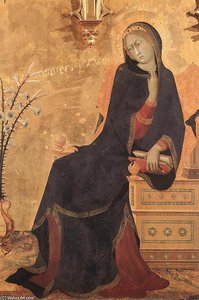 Annuntiatio ja kaks välist (detail)1333
 Annuntiatio koos Püha Margareeta ja Püha Ansanusega1333
 St Clare and St Elizabeth of Hungary1317
Essee teemadel Window
 25 Masterpieces by Duccio di Buoninsegna: The Dawn of Sienese ArtJourney through the Sienese School with our curated guide to Duccio di Buoninsegna’s top 25 masterpieces. From the Maesta to iconic Madonna…
 From Gold to Gravity: Italo-Byzantine Style vs. the Proto-RenaissanceMaster the shift from Byzantine gold to Proto-Renaissance naturalism. Learn to spot the evolution of art history today.
 14th century Italian paintersMasterpieces by Giotto and Duccio define the Trecento era. Explore museum-quality reproductions on OriginalUniqueArt.com.