Kõrgrenessanss
St Michael ja Dragon (Raffael)
Raffael (1483–1520) on loonud teose St Michael ja Dragon. See kuulub Kõrgrenessanss suuntrime. See on valmistatud materjalist Õlimaal kangaruumil.
- Õlimaal kangaruumil

 Eelvaade

 Käsitsi maalatud õlimaalatsioon
 Saada
 Jaga
 Teosest infokaart


 Laadi alla
 Sarnased teosed
 Röntgenuuring
 Slaidietendus
 KÜSIMUSED JA VASTUSID

 Statistika
St Michael ja Dragon lühidalt
- Pealkiri
- St Michael ja Dragon
- Kunstnik
- Raffael (1483–1520)
- Kunstniku sünnukoht
- Urbino, Itaalia
- Materjalid
- Õlimaal kangaruumil
- Liikumine
- Kõrgrenessanss
- Aeglkond
- Renessanss
- Teema
- biblical narrative, archangel warfare, dragon symbolism, renaissance faith, divine power, cosmic struggle
Mida St Michael ja Dragon kujutab?
A Clash of Heaven and Earth: Unveiling Raphael’s *St Michael & The Dragon*
Raphael's *St Michael and the Dragon*, painted around 1504-1505, is a captivating depiction of the archetypal battle between good and evil. This small but powerfully rendered oil on wood panel (30 cm x 26 cm) currently resides in the Louvre Museum in Paris, standing as a testament to Raphael’s early mastery and burgeoning artistic voice. The painting isn't merely an illustration of biblical narrative; it is a dynamic exploration of faith, power, and the enduring struggle against darkness. It represents one of Raphael’s earliest works, marking a pivotal moment in his artistic development—a transition from Umbrian influences to the stylistic innovations that would define his later career in Rome.Style and Composition: A Renaissance Vision
The work exemplifies the High Renaissance style, characterized by clarity, balance, and idealized forms. While still exhibiting influences from his Umbrian training – particularly in the delicate modeling of figures – *St Michael and the Dragon* demonstrates Raphael’s growing sophistication in composition and anatomical accuracy. The scene is tightly framed, intensifying the dramatic confrontation between the archangel and the monstrous dragon. Raphael masterfully divides the composition, focusing attention on the central action while subtly incorporating a turbulent cityscape in the background, hinting at the wider cosmic implications of this struggle. Diagonal lines created by Michael’s sword and the writhing form of the dragon contribute to the sense of dynamic movement and energy. This careful arrangement reflects the Renaissance preoccupation with perspective and spatial realism—though somewhat flattened compared to earlier artistic traditions—creating a visual experience that is both intellectually stimulating and emotionally resonant.Technique and Materials: Oil Paint's Versatility
Raphael employed oil paint on wood, a prevalent medium in Italy during this period. This allowed for rich color saturation, subtle gradations of light and shadow, and meticulous detail. The layering of glazes creates depth and luminosity, particularly noticeable in the shimmering scales of the dragon and the polished armor of St Michael. The technique showcases Raphael’s ability to render textures convincingly – from the smooth skin of the angel to the rough hide of the beast. He achieved this remarkable level of realism through painstaking observation and experimentation with pigment mixing—a hallmark of Renaissance artistic practice.Historical Context and Commission
Created for Gui, the painting's origins are linked to a celebration of military prowess and divine protection. Some scholars suggest it was commissioned in connection with Louis XII of France conferring the Order of Saint Michael upon Francesco Maria I della Rovere, the Duke’s nephew. This context imbues the work with an additional layer of meaning – a symbol of earthly power sanctioned by heavenly authority. The painting's subsequent history includes its presence at the Palace of Fontainebleau, demonstrating its value and prestige throughout the centuries. It speaks to the broader cultural landscape of Renaissance Italy—a period marked by humanist scholarship, artistic innovation, and political ambition.Symbolism and Interpretation: Triumph Over Evil
The symbolism within *St Michael and the Dragon* is rich and multifaceted. St Michael, depicted as a youthful and resolute warrior, embodies divine strength and righteousness. His sword represents God’s power, used to vanquish evil. The dragon, a traditional symbol of Satan and chaos, writhes in defeat beneath the archangel's foot. Figures trapped within the dragon’s coils represent fallen souls, highlighting the consequences of succumbing to temptation. This imagery draws heavily from the Book of Revelation, reinforcing the painting’s religious significance. Raphael skillfully conveys this narrative through expressive gestures and dynamic poses—a characteristic feature of Mannerism that distinguishes it from earlier Renaissance styles.Emotional Impact and Lasting Legacy
Despite its relatively small size, *St Michael and the Dragon* evokes a powerful emotional response. The dramatic tension, dynamic composition, and expressive figures create a sense of awe and reverence. Raphael doesn’t simply depict a battle; he conveys the spiritual victory of good over evil, offering a message of hope and redemption. This early masterpiece foreshadows the artist’s later achievements and solidifies his place as one of the greatest painters of the Renaissance—a testament to enduring artistic brilliance that continues to inspire admiration centuries after its creation.- Explore Raphael’s Genius: Discover other captivating works by this master artist.
- Bring Renaissance Beauty Home: Consider a handmade oil painting reproduction to enrich your space with timeless artistry.
- Delve Deeper into Art History: Learn more about the Louvre Museum and its unparalleled collection of artistic treasures.
St Michael ja Dragon kõrge resolutsiooniga pildid

Raffael, St Michael ja Dragon. Avalik omaniklik õigus
Küsimused teemal St Michael ja Dragon – vastused
Millises materjalis on teos „St Michael ja Dragon“, autor Raffael valmistatud?
Teose „St Michael ja Dragon“, autor Raffael materjal on Õlimaal kangaruumil. Reproduktsioonide eesmärk on jälitada selle tehnika välimust.
Mida „St Michael ja Dragon“, autor Raffael kujutab?
Teemad, mis teoses „St Michael ja Dragon“, autor Raffael esinevad, hõlmavad biblical narrative, archangel warfare, dragon symbolism, renaissance faith, divine power, cosmic struggle, geometric shapes. Koos need kokkuvõtavad teose sisu.
Kas teos „St Michael ja Dragon“, autor Raffael kuulub avalikku omandisse?
Autoriõiguse teave teose „St Michael ja Dragon“, autor Raffael kohta: teos kuulub luba ala avalik && copyright on aegunud. See määrab, kas kujundist on lubatud vabadelt reproduktsioone teha.
Kes on teose "St Michael ja Dragon" looja?
Teose "St Michael ja Dragon" loovija on Raffael. Selle lehe info kirjeldab Raffael algteost.
Millisse kunstisuuna kuulub teos „St Michael ja Dragon“, autor Raffael?
Teos „St Michael ja Dragon“, autor Raffael kuulub Kõrgrenessanss suunasse. See suund annab teosele stilistilise konteksti.
Millissele perioodile Raffael karjäärist kuulub teos "St Michael ja Dragon"?
Raffael loomingus kuulub teos "St Michael ja Dragon" perioodi Mature Period. See etap aitab seda võrdida kunstniku teiste töödega.
Kas Raffael teos "St Michael ja Dragon" kuulub avalikku omandisse ja miks?
„St Michael ja Dragon“, autor Raffael on avalik && copyright on aegunud. Tegijakeskuse kaitse kestus arvatakse kunstniku surmaajaest, mis toimus aastal 1520.
Kust koht teoses "St Michael ja Dragon" on Raffael loomingus?
Raffael loomingus on teos "St Michael ja Dragon", mis kuulub Kõrgrenessanss stiili ja kordub teemad nagu umbrian training, dante’s inferno, venetian grace, classical ideals.
Kust kohalt Raffael korduvad teemad teoses "St Michael ja Dragon" ilmumisel?
Raffael dokumenteeritud teemade — umbrian training, dante’s inferno, venetian grace, classical ideals — seas paneb teos "St Michael ja Dragon" erilist tähelepanu teemadel biblical narrative, archangel warfare, dragon symbolism, renaissance faith, divine power, cosmic struggle, geometric shapes.
Kunstnik Raffael kohta

1483–1520, Itaalia
Raffael
Urbino Renessanssi Sünd: Rafaeli Varase Elu ja Moodustumine Raffaello Sanzio da Urbino, maailmale tuntud kui Raphael, tekkis märkimisväärselt viljakas kultuurikeskkonnas. 1483. aastal sündinud Urbino müüride sees, keskijääma Itaalias asuva väikese, kuid intellektuaalselt elava linna-riigi seinte vahel, olid tema varased aastad läbi imbunud atmosfäärist, mis väärtustas nii kunstilisi oskusi kui humanistlikku õpetust. Tema isa, Giovanni Santi, ei olnud pelgalt Duke Federico da Montefeltro poolt teenitud maalija – ta oli mees, kes osales sügavalt renessanssiaegsete mõttevoolude seas, luuletaja, kes kroonikas hertsogi elu ja püüdis aktiivselt leida uuenduslikke kunstilisi ideid kogu Itaaliast ja mujalt.
Ka Raffael teosed
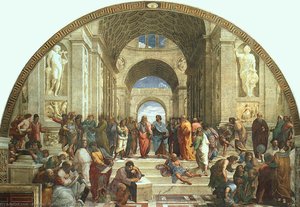 Atene kool1511
 Siistine Madonna1513
 Transfiguratsioon1520
 Neitsi Maarja abiellumine1504
Teemad teemal St Michael ja Dragon
 Masterpieces of Perfection: The Top 25 Greatest Artworks by RaphaelJourney through the sublime beauty of the High Renaissance with our curated list of Raphael's top 25 masterpieces. From iconic Madonnas to …
 Guido Reni: A Study in Baroque Classicism & Artistic PerfectionExplore the life & work of Guido Reni, a master of Baroque classicism. Discover his iconic religious & mythological paintings, and understa…
 Oil on Canvas: A Historical & Technical Exploration of a Timeless Artistic MediumExplore the rich history & enduring techniques of oil painting on canvas. Discover the science behind its longevity, conservation practices…