Abstract Expressionism · 1947
Untitled (Mark Rothko, 1947)
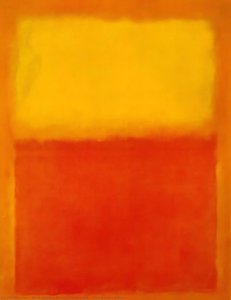
Mark Rothko (1903–1970) on loonud teose Untitled. See on pärinev 1947 aastast. See kuulub Abstract Expressionism suuntrime. Teos on valmistatud materjalist Acrylic On Canvas. Mõõdud on 96 × 53 cm.
- 1947
- Acrylic On Canvas
- 96 × 53 cm

 Eelvaade

 Käsitsi maalatud õlimaalatsioon
 Saada
 Jaga
 Juhend


 Laadi alla
 Sarnased teosed
 Röntgenuuring
 Slaidietendus
 KÜSIMUSED JA VASTUSID

 Statistika
Untitled: põhitooded
- Pealkiri
- Untitled
- Kunstnik
- Mark Rothko (1903–1970)
- Kunstnik on sündinud
- Daugavpils, Läti
- Kuupäev
- 1947
- Tehnika
- Acrylic On Canvas
- Mõõtmed
- 96 × 53 cm
- Suunad
- Abstract Expressionism
- Aeglkond
- Modern
- Teema
- abstract, color field, emotion, tranquility, depth, layered
Mida Untitled kujutab?
A Window into the Soul: Exploring Mark Rothko’s 1947 Untitled Painting
This captivating work by Mark Rothko, created in 1947, exemplifies a pivotal moment in the artist's transition towards his signature Color Field style. Measuring 96 x 53 cm, this painting isn’t about *what* it depicts, but rather *how* it makes you feel – a hallmark of Abstract Expressionism and Rothko’s enduring legacy.Style & Technique: Gestural Abstraction and the Birth of Color Fields
The artwork is deeply rooted in Abstract Expressionism, specifically leaning towards gestural abstraction. Unlike purely abstract works that might emphasize geometric forms, this piece showcases a fluidity and spontaneity achieved through loose brushstrokes and washes of color. Rothko masterfully employs a wet-on-wet blending technique, allowing hues to seamlessly merge and create atmospheric depth. While reminiscent of the later, more defined Color Field paintings – like his iconic series of stacked rectangles – this 1947 work retains a greater textural variation, hinting at the emotional turmoil and experimentation that characterized his artistic evolution. The layering of paint creates a sense of movement within the composition, drawing the eye upwards through subtle shifts in tone and saturation.Historical Context: Post-War Emotion & Artistic Innovation
Created immediately after World War II, this painting reflects the anxieties and existential questioning prevalent during that era. Abstract Expressionism emerged as a response to the horrors of war, rejecting traditional representational art in favor of expressing raw emotion and subjective experience. Rothko, having immigrated from Latvia as a child, carried with him a sense of displacement and cultural shift which profoundly influenced his artistic vision. This period saw American artists seeking new ways to articulate universal human experiences – grief, hope, spirituality – through non-figurative forms.Symbolism & Emotional Resonance
While Rothko resisted explicit interpretations of his work, the painting undeniably evokes a powerful emotional response. The muted tones and lack of defined shapes contribute to a sense of tranquility tinged with melancholy. The amorphous, organic forms suggest hidden depths and invite introspection. It’s not about recognizing *something* in the painting; it's about allowing the colors and textures to resonate within you, prompting personal reflection. Rothko aimed to create paintings that were almost like spiritual experiences – spaces for contemplation and emotional release.Interior Design & Collecting Considerations
This piece, or a high-quality reproduction, would serve as a striking focal point in a modern or minimalist interior. Its subdued palette lends itself well to spaces seeking calm and sophistication. The vertical orientation makes it ideal for hallways or above seating areas. As an early example of Rothko’s evolving style, this work represents a significant investment for collectors interested in the development of Abstract Expressionism. It offers a glimpse into the artist's formative years and foreshadows the iconic Color Field paintings that would define his career.- Dimensions: 96 x 53 cm
- Date: 1947
- Style: Abstract Expressionism, Gestural Abstraction, Color Field (Proto)
- Materials: Likely oil or acrylic on canvas.
Untitled kõrgel resolutsioonil
Autoriõigustega kaitstud: pilt on esitatud ainult näidisena.
Veel erinevaid mõõdu, u recorte ja allviiteid →Mark Rothko, Untitled (1947).
Küsimused teemal Untitled
Mis on teose „Untitled“, autor Mark Rothko materjal ja valmimisaeg?
Teose „Untitled“, autor Mark Rothko tehnika on Acrylic On Canvas ning selle valmimisajaks on märgitud 1947.
Kuidas teose "Untitled" stiil seotub selle looja ajaga?
Teoses „Untitled“, autor Mark Rothko kohtuvad Abstract Expressionism suunad ja Modernism ajastu.
Mis tüüpi teos on "Untitled"?
"Untitled" on WallArt teos.
Kust leian juhendi teose "Untitled" kohta?
Teosele „Untitled“, autor Mark Rothko on saadaval Õppekasutusjuhend leht: trüvitav infoleht teose kohta, mis on loodud õpilasteks ja klassiruumis kasutamiseks.
Millist tehnikat ja stiili iseloomustavad teos „Untitled“, autor Mark Rothko?
„Untitled“, autor Mark Rothko ühendab endas Acrylic On Canvas tehnikat ja Abstract Expressionism stiili. Tehnika ja suundumus kirjeldavad teose valmistusviisi ja esteetikat.
Millist teemat ja atmosfääri „Untitled“, autor Mark Rothko ühendab?
Teos "Untitled" kujutab teemasid abstract, color field, emotion, tranquility, depth, layered, atmospheric, rothko ning selle meeleolu on Serene.
Milleks on „Untitled“, autor Mark Rothko mõeldud?
Prindi "Untitled" soovituslik kasutus on Mood.
Milliseid ühiseid elemente jagab teos "Untitled" Mark Rothko muud loominguga?
Mark Rothko loomingus on teos "Untitled", mis kuulub Abstract Expressionism stiili ja kordub teemad nagu key rothko exploration of color & emotio, foundational to his style., color field, abstract expressionism, minimalism, existentialism, post-war anxiety, spiritual reflection.
Millale Mark Rothko karjääri etapile vastab teose "Untitled" kuupäev 1947?
Aasta 1947 aitab teosele "Untitled" määrata Mark Rothko loomingulise arengu perioodi Mature Period.
Kunstnikust, Mark Rothko

1903–1970, Läti
Mark Rothko
Mark Rothko varajad aastad Mark Rothko sündis 1903. aastal Markus Jakovlevitš Rothkovitš. Ta sündis Venemaal, Dvinskis, kohas, mis on tänapäeval tuntud kui Läti Daugavpils. Tema pere elas Juudi asula piirkonnas, mis oli politikaebast ja pogromide pideva varju all olev alue.
Ka Mark Rothko teosed
 Valge Keskus1950
 No.1 (Royal Red and Blue)
 Nr. 61 (Roostet ja sinine)1953
 Orange and yellow1956
Essee teemadel Untitled
 Kolme Lõuendi Narratiiv: Valiku Mõju Emotsionaalsele Vastukajale KunstisAvastage kolme lõuendi narratiivi psühholoogiat ja värviteooria mõju maalikunstis. Eksperthinnangud, kvaliteetsed reproduktsioonid ja perso…
 Mark Rothko 25 Parimat Teost: Emotsionaalsed Värvid ja Sügav Sisu | OriginalUniqueArtAvastage Mark Rothko 25 parimat teost! Sukelduge ekspressionismi sügavustesse, emotsionaalsetesse värvimaalid ja kunstniku lugudesse. Leidk…
 The Architecture of Emotion: A Connoisseur’s Guide to the Chromatic Sublimity of Mark RothkoExplore the profound emotional landscapes of Mark Rothko. An expert editorial on Color Field painting, decoding the spiritual depth, techni…