Russian Modernism · 1922
Samarkand Sultan (Léon Bakst, 1922)
Léon Bakst (1866–1924) on loonud teose Samarkand Sultan. See on pärinev 1922 aastast. See kuulub Russian Modernism suuntrime. Teos on valmistatud materjalist Ink On Paper.
- 1922
- Ink On Paper

 Eelvaade

 Käsitsi maalatud õlimaalatsioon
 Saada
 Jaga
 Teave teose kohta


 Laadi alla
 Sarnased teosed
 Röntgenuuring
 Slaidietendus
 KÜSIMUSED JA VASTUSID

 Statistika
Samarkand Sultan lühidalt
- Pealkiri
- Samarkand Sultan
- Kunstnik
- Léon Bakst (1866–1924)
- Kunstnik on sündinud
- Hrodna, Valgevene
- Kuupäev
- 1922
- Tehnika
- Ink On Paper
- Suunad
- Russian Modernism
- Aeglkond
- Modern
- Teema
- eastern costume, ornate design, theatrical figure, stylized portrait, vibrant colors, russian culture
Mida Samarkand Sultan kujutab?
A Study in Grandeur
In this 1922 work, we encounter a figure of quiet authority, a Samarkand Sultan rendered with a graphic precision that feels both ancient and modern. The subject is centered, filling the frame with a verticality that commands attention without needing to shout. He is draped in a robe of deep reds and blues, a garment defined by its intricate geometric patterns—triangles, diamonds, and stripes that dance across the fabric. There is a certain stillness in his expression, a tranquil gaze that suggests a man accustomed to the weight of his own status. His dark beard is long and neatly kept, providing a sharp contrast to the luminous colors of his attire.
The composition relies on a sophisticated layering of shapes and colors to create a sense of presence. While the perspective remains somewhat flattened, reminiscent of theatrical sketches or costume studies, the use of shading gives the figure a tangible, sculptural quality. The light appears to fall from above, catching the edges of his elaborate headwear and the subtle folds of his sleeves.
The Language of Ornament
The detail in the Sultan's attire reveals a meticulous approach to pattern and texture. The artist uses line and color to suggest materials that one can almost feel through the visual surface:
- A large turban adorned with blue and white beads and a singular, striking white feather.
- Sleeves and hems lined with a soft, heavy fur that adds a sense of tactile luxury.
- A complex arrangement of geometric motifs that break up the saturated fields of color.
This work belongs to the Art Nouveau movement, a period where the boundaries between fine art and decorative design often blurred. The influence of Orientalism is palpable here, not as a mere imitation of the East, but as a way to explore new visual languages through exotic silhouettes and intense color palettes. The use of ink and watercolor allows for a certain fluidity, where bold outlines meet softer, shaded transitions.
A Vision of the Stage
There is an inherent theatricality to this piece, as if we are catching a glimpse of a character just before the curtain rises. The stylized forms and exaggerated features move away from photographic realism, opting instead for a heightened sense of character. It feels less like a portrait of a specific historical individual and more like an exploration of an idea—the idea of power, of ceremony, and of the exotic. The emotional weight of the piece lies in this tension between the graphic, almost two-dimensional quality of the illustration and the profound sense of dignity held in the subject's eyes.
Samarkand Sultan kõrge resolutsiooniga pildid
Avalik omanik: kunstnik suri aastal 1924.
Léon Bakst, Samarkand Sultan (1922). Avalik omaniklik õigus
Küsimused teemal Samarkand Sultan – vastused
Mis on teose „Samarkand Sultan“, autor Léon Bakst loomisaeg?
Teos "Samarkand Sultan" on pärit aastast 1922. See ajastu aitab mõista teost Léon Bakst karjääri ja selle ajastu kontekstis.
Millist tehnikat teose „Samarkand Sultan“, autor Léon Bakst valmistamisel kasutati?
Teose "Samarkand Sultan" loomisel kasutas Léon Bakst Ink On Paper tehnikat. See tehnika määrab originaalteose materjalilise olemuse.
Mille kohta teos "Samarkand Sultan" on?
„Samarkand Sultan“, autor Léon Bakst kujutab: eastern costume, ornate design, theatrical figure, stylized portrait, vibrant colors, russian culture, decorative art.
Kas teos "Samarkand Sultan" on ilma autoriõigusteta?
Autoriõiguse teave teose „Samarkand Sultan“, autor Léon Bakst kohta: teos kuulub luba ala avalikus õiguses – selle autoriõigud onหมดunud. See määrab, kas kujundist on lubatud vabadelt reproduktsioone teha.
Kes on teose "Samarkand Sultan" kunstnik?
Teose "Samarkand Sultan" looja on Léon Bakst. Teos on kataloogitud nime Léon Bakst all.
Millisse kunstisuuna kuulub teos „Samarkand Sultan“, autor Léon Bakst?
"Samarkand Sultan" on Russian Modernism suunaga teos. See suundumine viitab kunstilisele traditsioonile, millega teos on seotud.
Millist etap Léon Bakst loomingus teos "Samarkand Sultan" esindab?
Teos "Samarkand Sultan" esindab kunstniku Léon Bakst loovperioodi Early Modernism.
Kui vana oli Léon Bakst, kui ta loositud teose "Samarkand Sultan" aastal 1922?
Kui teos "Samarkand Sultan" loodi aastal 1922, oli Léon Bakst (sündinud aastal 1866) 56 aastane.
Kas Léon Bakst teos "Samarkand Sultan" kuulub avalikku omandisse ja miks?
Teose "Samarkand Sultan" autoriõiguste staatus - avalikus õiguses – selle autoriõigud onหมดunud - tuleneb kunstniku surma aastast 1924.
Kunstnikust, Léon Bakst
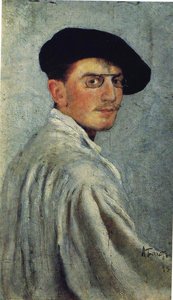
1866–1924, Valgevene
Léon Bakst
Varajärgi varajärgi ja kunstilise rebellioon sünd Sündides 1866. aastal Grodnos, Venetsia keisrikonna osal, siis asustuspiiri piirkonnas, sai Leyb-Khaim Izrailevich Rosenberg alguse teekond kunstilise kuulsuse poole – see oli kütkestav lugu, mis oli kootud kokku nii loomliku talenti kui ka sotsiaalsete piirangutega. Tema perekond kuulus muguslaadne keskl Klassi, kuid tal oli keisrikoguga seosed tema vanaisa kaudu, kes oli kuulus rätiku valmistaja ja nautis tsaari patrooni. See taust sisaldas noores Leybis teravat arusaamist kultuurilistest nüanssidest ning varajast armastusest joonistamise vastu, mis näitus selgelt, kui ta võitis konkursi vaid kaheksاتوimast lapsena.
Ka Léon Bakst teosed
 Küljel lilletega kujundus
 Operatic costume designs1911
 Costume design for the ballet ''Cleopatra''1909
 Drawing young divinity Narcisse costume, ballet Diaghilev1911
Essee teemadel Samarkand Sultan
 The Soft Soul of Art: Exploring the Tactile Beauty and Timeless Narrative of Textile MasterpiecesEmbark on a sensory journey through the tactile beauty of textile art. Explore how thread, silk, and loom weave human history, from ancient…
 French artworks of the 1860s1860s French masterpieces by Édouard Manet, Claude Monet, and Gustave Courbet. View the full collection online at OriginalUniqueArt.com.
 Masterpieces of Emotion: The Top 25 Artworks by Théodore GéricaultExplore 25 iconic works by Théodore Géricault, from Romanticism to his greatest masterpieces. Discover the full collection on OriginalUniqu…