Constructivism/Suprematism · 1923
Small composition (László Moholy-Nagy, 1923)
László Moholy-Nagy (1895–1946) on loonud teose Small composition. See on pärinev 1923 aastast. See kuulub Constructivism/Suprematism suuntrime. Teos on valmistatud materjalist Acrylic On Canvas. Teos asub Bauhaus Dessau Foundation kogamuses Dessau-Roßlau, Deutschland. Mõõdud on 24 × 30 cm.
- 1923
- Acrylic On Canvas
- 24 × 30 cm
- Bauhaus Dessau Foundation, Dessau-Roßlau

 Eelvaade

 Käsitsi maalatud õlimaalatsioon
 Saada
 Jaga
 Teave teose kohta


 Laadi alla
 Sarnased teosed
 Röntgenuuring
 Slaidietendus
 KÜSIMUSED JA VASTUSID

 Statistika
Small composition lühidalt
- Pealkiri
- Small composition
- Kunstnik
- László Moholy-Nagy (1895–1946)
- Kunstnik on sündinud
- Bacs-Kajala, Ungari
- Kuupäev
- 1923
- Tehnika
- Acrylic On Canvas
- Mõõtmed
- 24 × 30 cm
- Kus seda näeb
- Bauhaus Dessau Foundation, Dessau-Roßlau, Deutschland
- Teema
- abstract art, geometric shapes, line composition, modern design, spatial relationships, color harmony
Mida Small composition kujutab?
László Moholy-Nagy’s “Small Composition”: A Pioneering Leap into Abstract Form
“Small Composition,” created in 1923 by László Moholy-Nagy, isn't merely a painting; it’s a crystallized moment of artistic revolution. Emerging from the fertile ground of Constructivism and deeply influenced by the radical experimentation of the Bauhaus school, this work represents a pivotal shift in how artists approached representation – moving beyond mimetic accuracy to explore the inherent power of form, line, and color as autonomous elements of visual language. The piece, rendered in watercolor and gouache on paper, immediately captivates with its dynamic geometry, a carefully orchestrated balance between order and chaos that speaks volumes about the artist’s evolving philosophy.
At first glance, “Small Composition” appears strikingly abstract, yet closer inspection reveals a sophisticated system of relationships. A central axis line bisects the canvas, acting as a silent guide to the placement of several key shapes: a vibrant blue crescent moon, a bold yellow circle, and a striking red rectangle. These aren’t simply decorative elements; they are deliberately positioned to create a sense of spatial depth and visual tension. The overlapping forms suggest movement and interaction, inviting the viewer to actively engage with the composition and decipher its underlying structure. The flatness of the medium – watercolor and gouache on paper – further emphasizes this interplay of form, creating an illusion of three-dimensionality through careful layering and line weight.
The Bauhaus Legacy and the Embrace of Technology
To fully appreciate “Small Composition,” it’s crucial to understand its context within the broader artistic landscape of the early 20th century. Moholy-Nagy's time at the Bauhaus in Weimar was transformative, exposing him to a radical new approach to design that sought to integrate art with industry and technology. The Bauhaus championed functionalism, believing that art should serve a purpose beyond mere aesthetics – it should improve people’s lives through innovative design solutions. This ethos is powerfully reflected in “Small Composition,” which can be seen as an exploration of the principles of geometric abstraction, a technique favored by Constructivist artists like Piet Mondrian and Kazimir Malevich.
However, Moholy-Nagy wasn't simply replicating these movements; he was pushing them forward. He recognized the potential of photography – a relatively new medium at the time – to challenge traditional notions of representation. His early experiments with photograms (photographs created without a camera) demonstrated his fascination with chance and accident, suggesting that art could emerge from unexpected combinations of light and shadow. “Small Composition” can be interpreted as an extension of this exploration, utilizing the principles of photography—particularly its ability to capture fleeting moments and manipulate perception—to create a dynamic and visually arresting composition.
Symbolism and Emotional Resonance
While ostensibly abstract, "Small Composition" is rich in subtle symbolism. The dominant blue crescent moon could represent intuition or dreams, while the bold yellow circle might symbolize energy or enlightenment. The red rectangle, often associated with stability and structure, provides a grounding element to the composition. The deliberate use of color—each hue carefully chosen for its emotional impact—further enhances the work’s expressive power. It's not about depicting recognizable objects; it’s about evoking feelings and ideas through pure form and color.
Beyond these specific symbols, “Small Composition” resonates with a sense of dynamism and forward momentum. The intersecting lines and overlapping shapes create a feeling of movement and transformation, suggesting that the artwork is constantly evolving before the viewer's eyes. It’s a testament to Moholy-Nagy’s belief that art should be an active force—capable of stimulating thought, provoking emotion, and ultimately transforming our perception of the world.
A Reproduction Worthy of Display
Reproductions of “Small Composition” offer a remarkable opportunity to bring this pioneering artwork into any interior space. The vibrant colors and dynamic composition will add a touch of modern sophistication while simultaneously evoking the spirit of artistic innovation. Consider framing the reproduction in a minimalist style to allow the artwork’s inherent beauty to shine through, or opt for a bold statement piece that commands attention. “Small Composition” is more than just a print; it's an invitation to engage with the transformative power of abstract art.
Kumba muuseumis asub teos Small composition?
Bauhaus Dessau Foundation
Dessau-Roßlau, Deutschland
A Legacy Forged in Experimentation: The Bauhaus Dessau Foundation Nestled within the meticulously restored Bauhaus building itself, the Bauhaus Dessau Foundation isn’t merely a museum; it’s an immersive experience. Established in 1994 to safeguard and propagate the radical ideas of Walter Gropius’ legendary school, this institution stands as a testament to a pivotal moment in architectural and design history. More than just showcasing finished products, the Foundation delves into the *process* of creation – the interplay between art, architecture, technology, and social theory that defined the Bauhaus ethos.


Small composition kõrge resolutsiooniga pildid

Avalik omanik: kunstnik suri aastal 1946.
Teised laiused, uueste lõikud ja alluding →László Moholy-Nagy, Small composition (1923), Bauhaus Dessau Foundation. Avalik omaniklik õigus
Küsimused teemal Small composition – vastused
Millises muuseumis on säilitatud originaal "Small composition"?
Originaalteost "Small composition" saab vaadata Bauhaus Dessau Foundation, Dessau-Roßlau, Deutschland-is.
Millal loodi teos "Small composition"?
Teose „Small composition“, autor László Moholy-Nagy loomimisaastaks on märgitud 1923.
Millest on teos "Small composition" valmistatud?
Teos "Small composition" on valmistatud tehnika Acrylic On Canvas.
Mis on originaalteose "Small composition" mõõdud?
Teose "Small composition" originaalmõõdud on 24 x 30 cm. Algdimensioonid on kasulik viide reproduktsiooni suuruse valimisel.
Mida „Small composition“, autor László Moholy-Nagy kujutab?
Teose "Small composition" teemad on abstract art, geometric shapes, line composition, modern design, spatial relationships, color harmony, early 20th century, minimalist form.
Kas teos „Small composition“, autor László Moholy-Nagy kuulub avalikku omandisse?
Autoriõiguse teave teose „Small composition“, autor László Moholy-Nagy kohta: teos kuulub luba ala avalikus õiguses – selle autoriõigud onหมดunud. See määrab, kas kujundist on lubatud vabadelt reproduktsioone teha.
Kes on teose "Small composition" kunstnik?
Teose "Small composition" autoriks on mõeldud László Moholy-Nagy.
Millissele stiilile kuulub "Small composition"?
Teosest „Small composition“, autor László Moholy-Nagy tuntud kunstisuuna on Constructivism/Suprematism. See klassifikatsioon aitab teost paigutada sarnaste kunstnike ja teoste hulka.
Kuhu László Moholy-Nagy loomingulisse perioodi kuulub teos "Small composition"?
Teos "Small composition" esindab kunstniku László Moholy-Nagy loovperioodi Early Modern.
Kunstnikust, László Moholy-Nagy

1895–1946, Ungari
László Moholy-Nagy
László Moholy-Nagy: Kaasaegse kunsti ja Bauhause pioneer Sündinud: Bacs-Kajala, Ungari (1895) Suri: 1946 László Moholy-Nagy oli sügavlt mõjutusrikas ungari maalija, fotograaf, skulptuurikunstnik ja disainer. Ta on maailma tunnustatud eelkõige oma oluliste panuste eest Bauhaus kooli ning uuendusliku töö eest konstruktivismis, tüograafias, fotograafias ja kineetilises kunstis. Tema kunstiline filosoofia kesknes tehnoloogia ja tööstuse integreerimisele kunstidesse, edustades uut loovusvisiooni, mis võttis omaks modernset maailma. Varajane elu ja mõjutid Varajased aastad ja perekond: Sündis László Weisz juudi perre Bacsborsódis, Ungaris, kuid võttis hiljem omaks perekonnanime Moholy-Nagy.
Teel László Moholy-Nagy kohta László Moholy-Nagy silmapaistvad teosed
Ka László Moholy-Nagy teosed
 Untitled, Dessau
 Untitled\n\nUntitled1939
 Untitled
 Hilla Rebay1924

Essee teemadel Small composition
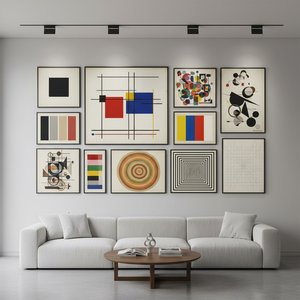 Geomeetrilise Abstraktsiooni 10 Meisterteost: Kunst ja Kodukaunistus OriginalUniqueArt.com-isAvastage geomeetrilise abstraktsiooni 10 suurteost – Kandinsky, Mondrian ja teised. Lugege kunstiteoste lugusid ning leidke inspiratsiooni …
 De Stijl and Bauhaus: Distinguishing Two Pillars of Modern DesignMaster the distinctions between De Stijl and Bauhaus design. Explore the history of these modern pillars now.
 Geometry with Purpose: Distinguishing Suprematism from ConstructivismMaster the differences between Suprematism and Constructivism with our expert guide. Discover the soul of the Russian avant-garde now.