Expressionism
The Bad Doctors (James Ensor)
James Ensor (1860–1949) on loonud teose The Bad Doctors. See kuulub Expressionism suuntrime. Teos on valmistatud materjalist Oil On Panel. Teos asub Fin-de-Siècle Museum kogamuses Brussels, Belgium.
- Oil On Panel
- Fin-de-Siècle Museum, Brussels

 Eelvaade

 Käsitsi maalatud õlimaalatsioon
 Saada
 Jaga
 Teave teose kohta


 Laadi alla
 Sarnased teosed
 Röntgenuuring
 Slaidietendus
 KÜSIMUSED JA VASTUSID

 Statistika
The Bad Doctors lühidalt
- Pealkiri
- The Bad Doctors
- Kunstnik
- James Ensor (1860–1949)
- Kunstnik on sündinud
- Oostende, Belgia
- Tehnika
- Oil On Panel
- Kus seda näeb
- Fin-de-Siècle Museum, Brussels, Belgium
- Suunad
- Expressionism
- Aeglkond
- 19th Century
- Teema
- doctors, horror, grotesque, time, symbolism, decay
Mida The Bad Doctors kujutab?
A Descent into Grotesque Symbolism
James Ensor’s The Bad Doctors is far more than a mere depiction of a room; it is a chilling, visceral descent into the depths of societal anxiety. Completed in the late nineteenth century, this masterpiece serves as a darkly satirical panorama, pulling the viewer into a claustrophobic interior that feels less like a physical space and more like a psychological trap. Within this unsettling scene, Ensor orchestrates a collection of distorted figures that seem to emerge from a fever dream, populated by characters that reflect his profound critique of the medical profession and the broader human condition. The composition is intentionally oppressive, with couches and chairs arranged in a way that hems in the viewer, mirroring the suffocating weight of moral decay and corruption that Ensor so masterfully captured.The Visceral Power of Expressionist Technique
To behold this work is to experience the raw power of early Expressionism. Ensor eschews objective reality in favor of a more profound, emotional truth, utilizing thick, palpable brushstrokes that lend a heavy, textural quality to the surface. The artist’s palette is deliberately jarring, dominated by sickly yellows, bruised reds, and murky greens—hues that evoke the very essence of illness and psychological distress. This use of color does not merely decorate the scene; it infects it, creating an atmosphere where decay feels almost tangible. Every stroke contributes to a sense of disorientation, as if the very air within the painting is thick with the scent of mortality and unrest.Symbolism and the Weight of Time
Beyond its striking visual impact, The Bad Doctors is laden with potent symbols that demand deep contemplation. Most haunting are the multiple clocks scattered throughout the room—reminders of time's relentless, indifferent march toward death. A large clock hangs prominently above a physician, acting as a silent witness to the inevitable confrontation with mortality that haunts every figure in the frame. For the discerning collector or interior designer, this piece offers an unparalleled opportunity to introduce a work of immense intellectual and emotional depth into a space. It is a painting that does not merely sit upon a wall; it commands the room, inviting conversation through its complex layers of meaning, from the grotesque masks of identity to the haunting shadows of social critique.Kumba muuseumis asub teos The Bad Doctors?
Fin-de-Siècle Museum
Brussels, Belgium
The Fin-de-Siècle Museum Overview Located at 1, place Royale/Koningsplein in Brussels, Belgium, the Fin-de-Siècle Museum occupies a significant position within the Royal Museums of Fine Arts of Belgium. The institution was inaugurated on 6 December 2013. It is partly housed in the former halls of the Royal Museum of Modern Art, creating a physical connection between different eras of Belgian creative expression.


The Bad Doctors kõrge resolutsiooniga pildid

Avalik omanik: kunstnik suri aastal 1949.
Teised laiused, uueste lõikud ja alluding →James Ensor, The Bad Doctors, Fin-de-Siècle Museum. Avalik omaniklik õigus
Küsimused teemal The Bad Doctors – vastused
Millises muuseumis on säilitatud originaal "The Bad Doctors"?
Originaalteost "The Bad Doctors" saab vaadata Fin-de-Siècle Museum, Brussels, Belgium-is.
Millist tehnikat teose „The Bad Doctors“, autor James Ensor valmistamisel kasutati?
Teose „The Bad Doctors“, autor James Ensor materjal on Oil On Panel. Reproduktsioonide eesmärk on jälitada selle tehnika välimust.
Mida „The Bad Doctors“, autor James Ensor kujutab?
Teose "The Bad Doctors" teemad on doctors, horror, grotesque, time, symbolism, decay, medicine.
Kas teose „The Bad Doctors“, autor James Ensor pilt on vabalt reproduseeritav?
Tegijateõiguse osas on teos "The Bad Doctors" kuuluv klassifikatsiooni alla: avalikus õiguses – selle autoriõigud onหมดunud.
Kes on teose "The Bad Doctors" looja?
Teose "The Bad Doctors" autoriks on mõeldud James Ensor.
Millisse kunstisuuna kuulub teos „The Bad Doctors“, autor James Ensor?
Teos „The Bad Doctors“, autor James Ensor kuulub Expressionism suunasse. See suund annab teosele stilistilise konteksti.
Kuhu James Ensor loomingulisse perioodi kuulub teos "The Bad Doctors"?
James Ensor loomingus kuulub teos "The Bad Doctors" perioodi Mature Period. See etap aitab seda võrdida kunstniku teiste töödega.
Miks on teose "The Bad Doctors" autoriõiguste staatus selline, nagu see on?
„The Bad Doctors“, autor James Ensor on avalikus õiguses – selle autoriõigud onหมดunud. Tegijakeskuse kaitse kestus arvatakse kunstniku surmaajaest, mis toimus aastal 1949.
Jääb teos "The Bad Doctors" kunstniku kodumaale?
Ei – teos asub välismaal. James Ensor sünnimaa on Belgia ning teose "The Bad Doctors" originaali hoiab endas muuseum, mis asub riigis Belgium.
Kunstnikust, James Ensor

1860–1949, Belgia
James Ensor
Varane elu, pere ja kunstiline haridus James Ensor sündis 13. aprillil 1860 Belgias, Ostendis. Tema identiteeti kujendas spetsiifiline kultuuriline ristumiskoht: tema isa, James Frederic Ensor, oli sündinud Brüsselis inglise päritolu vanemate juures, samas kui tema ema, Maria Catherina Haegheman, oli belgialane. See topeltpärand pani aluse vaatenurgale, mis asus sageli kohaliku traditsiooni kitsaste piiride väljas.
Ka James Ensor teosed
 Kristuse sisserändimine Brüsseli1888
 Maskidega Isamaapildi1899
 Puhastus Ostendis
 Luud soojumasid1889

Essee teemadel The Bad Doctors
 Emotional Transmutation in Visual Art: A Study of Affective Representation Through Color, Form, and TextureExplore the fascinating intersection of art & emotion! Discover how color, form, and texture convey feelings in masterpieces. Expert analys…
 The Visceral Canvas: A Collector's Guide to the Emotional Power of ExpressionismMaster the emotional depth of Expressionism through expert analysis of color and form. Explore this visceral movement today.
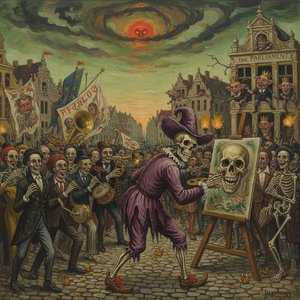 James Ensor's Grotesque Visions: Social Commentary & Artistic InnovationExplore the unsettling yet captivating world of James Ensor, a pioneer of Expressionism. Discover his satirical masterpieces, symbolic imag…