Fauvism · 1923
Nude (André Derain, 1923)
André Derain (1880–1954) on loonud teose Nude. See on pärinev 1923 aastast. See kuulub Fauvism suuntrime. Teos on valmistatud materjalist Oil On Canvas. Mõõdud on 44 × 58 cm.
- 1923
- Oil On Canvas
- 44 × 58 cm

 Eelvaade

 Käsitsi maalatud õlimaalatsioon
 Saada
 Jaga
 Teave teose kohta


 Laadi alla
 Sarnased teosed
 Röntgenuuring
 Slaidietendus
 KÜSIMUSED JA VASTUSID

 Statistika
Nude lühidalt
- Pealkiri
- Nude
- Kunstnik
- André Derain (1880–1954)
- Kunstnik on sündinud
- Chatou, Prantsusmaa
- Kuupäev
- 1923
- Tehnika
- Oil On Canvas
- Mõõtmed
- 44 × 58 cm
- Suunad
- Fauvism
- Aeglkond
- Modern
- Teema
- woman, nude, female figure, grayscale, seated woman
Mida Nude kujutab?
Identification of the Nude by André Derain
In this 1923 work, titled Nude, André Derain turns his attention to the quietude of the human form. The painting presents a nude female figure, captured in a moment of stillness that invites a closer, more intimate observation. It is a study of presence and form, rendered with a focus on the essential character of the subject.
The artist, André Derain, approaches the figure with a sense of restraint. Rather than relying on the loud, unmixed hues of his earlier Fauvist period, this piece reflects a more disciplined sensibility. The subject is seated and facing forward, occupying the central space of the composition. There is a certain gravity to her pose, suggesting a state of introspection or perhaps a quiet contemplation of her surroundings.
This work belongs to a period in the artist's career where structure and form began to take precedence. The figure is defined by simplified shapes and a deliberate use of line. It is a direct encounter with the subject, stripped of unnecessary distraction, allowing the viewer to focus entirely on the weight and volume of the female form as it exists within the frame.
Composition and Visual Elements
The figure is centrally positioned within the frame, creating a quiet sense of balance that draws the eye immediately to the subject. She is seated in a moment of stillness, her pose defined by arms crossed and resting upon her legs. This arrangement suggests a state of introspection or perhaps a simple, unhurried relaxation. The composition avoids complex spatial arrangements, opting instead for a relatively flat perspective that lacks a strong sense of depth, keeping the viewer's attention fixed on the immediate presence of the form.
There is a deliberate simplification in how the human form is rendered. The artist employs simplified geometric shapes to represent the body, using curves to trace the silhouette while sharper angles define the features of the face, such as the nose and eyebrows. This structural approach gives the figure a certain weight and presence despite the lack of environmental detail. The background remains largely undefined, which serves to isolate the subject and emphasize the contours of her body.
The palette is strictly monochromatic, relying on a controlled range of shades including gray, white, and black. Rather than using color to create volume, the artist uses subtle variations in tone to model the figure. Strong, visible brushstrokes define the contours of the body and the facial features. These lines are not blended into smooth transitions; instead, they retain an individual character that adds a tactile energy to the surface. The interplay between these textured strokes and the softer areas of the skin creates a visual rhythm that is both disciplined and expressive.
Technique and Material Details
This work is an oil on canvas, executed with a deliberate and tactile approach to the medium. The artist employs visible brushstrokes that remain unblended in many areas, creating a surface defined by its physical texture. These marks are not merely marks of application but are essential to the structural definition of the figure, providing a sense of energy and movement across the form.
There is a clear evidence of layering and careful blending used to achieve subtle tonal variations. This technique allows for a nuanced transition between light and shadow, giving the subject a sense of volume and presence. The interplay of these layers creates a depth that relies on the weight of the paint rather than a reliance on linear perspective. The result is a surface where the materiality of the oil paint is as much a part of the composition as the subject itself.
Nude kõrge resolutsiooniga pildid

Avalik omanik: kunstnik suri aastal 1954.
Teised laiused, uueste lõikud ja alluding →André Derain, Nude (1923). Avalik omaniklik õigus
Küsimused teemal Nude – vastused
Mis on teose „Nude“, autor André Derain loomisaeg?
Teos „Nude“, autor André Derain loodi aastal 1923.
Millises materjalis on teos „Nude“, autor André Derain valmistatud?
Teos "Nude" on valmistatud tehnika Oil On Canvas.
Mis on originaalteose "Nude" mõõdud?
Teose "Nude" originaalmõõdud on 44 x 58 cm. Algdimensioonid on kasulik viide reproduktsiooni suuruse valimisel.
Millised teemad teoses „Nude“, autor André Derain esile tõelve?
Teemad, mis teoses „Nude“, autor André Derain esinevad, hõlmavad woman, nude, female figure, grayscale, seated woman. Koos need kokkuvõtavad teose sisu.
Kas teose „Nude“, autor André Derain pilt on vabalt reproduseeritav?
Teos „Nude“, autor André Derain on lubaõiguslikult avalikus õiguses – selle autoriõigud onหมดunud. See staatus reguleerib teose pildi reprodüseerimise võimalusi.
Kes on teose "Nude" kunstnik?
Teose "Nude" autoriks on mõeldud André Derain.
Millisse kunstisuuna kuulub teos „Nude“, autor André Derain?
"Nude" on Fauvism suunaga teos. See suundumine viitab kunstilisele traditsioonile, millega teos on seotud.
Kuhu André Derain loomingulisse perioodi kuulub teos "Nude"?
Teos "Nude" esindab kunstniku André Derain loovperioodi Return to order.
Kui vana oli André Derain, kui ta loositud teose "Nude" aastal 1923?
Kui teos "Nude" loodi aastal 1923, oli André Derain (sündinud aastal 1880) 43 aastane.
Kunstnikust, André Derain
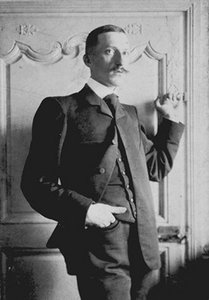
1880–1954, Prantsusmaa
André Derain
Varajane elu, pere ja õppimine Aastal 1880 jõudis maailma Chatou, Prantsuse Yvelinesi piirkonnas asuv küla, kus sündis André Derain. Tema varajased aastad said vormuda Île-de-France'i vaiklavates maastikudes, kus ümbrivillast tulenev loomulik uudishimik hakkas temameedis juurduma. Kuni 1995. aastani oli ta juba alustanud iseseisvat õppimist, püüdes maailma visuaalsust mõista oma silmadega, mitte läbi ametliku õpetuse.
Ka André Derain teosed
 bathers1907
 London Bridge1906
 Charing Cross from sw1906
 Landscape at L'Estaque1906
Essee teemadel Nude
 French artworks of the 1920sIconic French works by Matisse and Léger define the 1920s. Explore the full collection online at OriginalUniqueArt.com.
 The Evolving Human Form: Tracing Light and Flesh from Impressionism to Post-ImpressionismExplore the evolution of the human form from academic realism to Post-Impressionism. Trace the history of light and flesh with us.
 The Architecture of Stillness: A Curated Study of Seated Figures in Art HistoryExplore the psychological depth of seated figures from Rembrandt to Roman realism. Discover the secrets of art history now.