Romanticism · 1790
Painters (Hubert Robert, 1790)
Hubert Robert (1733–1808) on loonud teose Painters. See on pärinev 1790 aastast. See kuulub Romanticism suuntrime. Teos on valmistatud materjalist Acrylic On Canvas. Teos asub Hermitage muuseum kogamuses Stiiitlinburg, Vene. Mõõdud on 24 × 32 cm.
- 1790
- Acrylic On Canvas
- 24 × 32 cm
- Hermitage muuseum, Stiiitlinburg

 Eelvaade

 Käsitsi maalatud õlimaalatsioon
 Saada
 Jaga
 Teave teose kohta


 Laadi alla
 Sarnased teosed
 Röntgenuuring
 Slaidietendus
 KÜSIMUSED JA VASTUSID

 Statistika
Painters lühidalt
- Pealkiri
- Painters
- Kunstnik
- Hubert Robert (1733–1808)
- Kunstnik on sündinud
- Pariis, Prantsusmaa
- Kuupäev
- 1790
- Tehnika
- Acrylic On Canvas
- Mõõtmed
- 24 × 32 cm
- Kus seda näeb
- Hermitage muuseum, Stiiitlinburg, Vene
- Suunad
- Romanticism
- Teema
- landscapes, ruins, figures, daytime, field, workers
Mida Painters kujutab?
Hubert Robert’s “Painters”: A Vision of Ruin and Remembrance
Hubert Robert's "Painters," painted in 1790, isn’t merely a depiction of laborers at work; it’s a carefully constructed meditation on labor, time, and the enduring power of memory. The scene unfolds within a rugged, almost theatrical landscape – a dramatic vista dominated by a towering rock formation, its weathered surface hinting at centuries of exposure to the elements. Two figures, rendered with a subtle realism that belies Robert's penchant for romanticized ruins, are engaged in the arduous task of carving stone. One, positioned atop the rock, directs the work with a commanding presence, while the other, lower down, meticulously shapes the material beneath him. The composition isn’t about capturing a specific moment; it’s about evoking a feeling – a sense of timelessness and the relentless passage of time, beautifully intertwined with the human effort to impose order upon nature.
Robert's style is distinctly rooted in the Neoclassical tradition, yet infused with the burgeoning Romantic sensibility that was beginning to challenge its rigid formality. He masterfully employs atmospheric perspective – the subtle blurring and darkening of distant elements – to create a profound sense of depth and space. The light, diffused and golden, washes over the scene, casting long shadows and highlighting the textures of the rock and the figures’ clothing. Notice how Robert utilizes loose brushstrokes, particularly in the depiction of the landscape, creating an impressionistic effect that anticipates later developments in art history. This deliberate softness contrasts with the sharper detail given to the men themselves, suggesting a focus on their individual struggles within the grand scheme of nature.
The Context of Labor and Ruin
To fully appreciate “Painters,” it’s crucial to understand Robert's artistic interests – particularly his fascination with ruins. Following the upheavals of the French Revolution, a renewed interest in antiquity and the past emerged, fueled by archaeological discoveries and a desire to reconnect with a perceived lost sense of order and stability. Robert, like many artists of his time, found inspiration in the decaying grandeur of Roman temples and medieval castles, transforming these remnants into evocative landscapes – ‘capriccios’ as he called them. These weren't simply artistic exercises; they were explorations of memory, loss, and the cyclical nature of history. The very act of painting ruins became a way to preserve a fading past, imbuing it with new life and meaning.
The figures depicted in “Painters” represent a specific segment of 18th-century French society – laborers engaged in essential but often overlooked work. Robert’s choice to portray them within such a dramatic landscape elevates their status, suggesting that even the most humble tasks are worthy of artistic attention. The scene subtly critiques the social hierarchies of the time, presenting these men not as mere workers, but as active participants in shaping the world around them. The rock formation itself can be interpreted as a symbol of enduring strength and resilience – a testament to the power of human labor against the forces of nature.
Symbolism and Emotional Resonance
Beyond its straightforward depiction of work, “Painters” is rich in symbolic meaning. The towering rock formation, with its weathered surface, represents the weight of history and the passage of time. The figures’ focused expressions convey a sense of dedication and perseverance, but also hint at the physical strain of their labor. Robert's use of color – predominantly earthy tones punctuated by flashes of gold – evokes feelings of warmth, nostalgia, and perhaps even melancholy. The overall effect is one of quiet contemplation, inviting the viewer to reflect on the relationship between humanity and nature, work and memory.
The inclusion of animals—a horse and a dog—adds another layer of complexity to the scene. Animals have long been associated with labor and service in art, symbolizing loyalty, strength, and connection to the natural world. Their presence reinforces the theme of human interaction with the environment, suggesting a harmonious coexistence – albeit one marked by hard work and enduring effort. “Painters” is not simply a landscape; it’s a carefully orchestrated tableau that speaks volumes about the values and anxieties of its time.
A Timeless Masterpiece: Reproduction Considerations
Reproductions of Hubert Robert's “Painters” offer a remarkable opportunity to bring this evocative artwork into your home or office. The meticulous detail captured by Robert’s brushstrokes, combined with his masterful use of light and shadow, translates beautifully to high-quality reproductions. When selecting a reproduction, pay close attention to the texture and color accuracy – features that are crucial for capturing the painting's atmospheric depth and emotional resonance. OriginalUniqueArt offers meticulously crafted hand-painted reproductions that faithfully recreate Robert’s original vision, ensuring that you experience the full impact of this timeless masterpiece.
Kumba muuseumis asub teos Painters?
Hermitage muuseum
Stiiitlinburg, Vene
Hermitage muuseumi algupärad ja ajalugu Hermitage muuseumi lugu sai alguse aastal 1764, mil Berliini kaupmees Johann Ernst Gotzkowsky müüs 225 maali sisaldava kogumiku. See ajalooline teginus sai alguse suure printsess Catherine II ehk Suure Caterina käest, kes otsustas need teosed oma omandisse võtta, moodustades nii muuseumi vundamendi Saint Peterburgis, Venemaal. Need esimesed omandused moodustasid tugevad juured ja tugeviku sellele, mis kujunes hiljem üheks maailma tohutuks lääne Euroopa kunstipärandiks.


Painters kõrge resolutsiooniga pildid

Avalik omanik: kunstnik suri aastal 1808.
Teised laiused, uueste lõikud ja alluding →Hubert Robert, Painters (1790), Hermitage muuseum. Avalik omaniklik õigus
Küsimused teemal Painters – vastused
Kust saan näha originaalteost „Painters“, autor Hubert Robert?
Teos „Painters“, autor Hubert Robert on näitustel Hermitage muuseum, Stiiitlinburg, Vene. Muuseumi keterangane viitab originaalteosele, mitte reproduktsioonidele.
Mis on teose „Painters“, autor Hubert Robert loomisaeg?
Teos "Painters" on pärit aastast 1790. See ajastu aitab mõista teost Hubert Robert karjääri ja selle ajastu kontekstis.
Millist tehnikat teose „Painters“, autor Hubert Robert valmistamisel kasutati?
Teose "Painters" loomisel kasutas Hubert Robert Acrylic On Canvas tehnikat. See tehnika määrab originaalteose materjalilise olemuse.
Mis on originaalteose "Painters" mõõdud?
Teose "Painters" originaalmõõdud on 24 x 32 cm. Algdimensioonid on kasulik viide reproduktsiooni suuruse valimisel.
Millised teemad teoses „Painters“, autor Hubert Robert esile tõelve?
„Painters“, autor Hubert Robert kujutab: landscapes, ruins, figures, daytime, field, workers, composition, xviii century.
Kas teos "Painters" on ilma autoriõigusteta?
Teos „Painters“, autor Hubert Robert on lubaõiguslikult avalikus õiguses – selle autoriõigud onหมดunud. See staatus reguleerib teose pildi reprodüseerimise võimalusi.
Kes on teose "Painters" kunstnik?
Teose "Painters" autoriks on mõeldud Hubert Robert.
Millissele kunstisuunale kuulub teos „Painters“, autor Hubert Robert?
"Painters" on Romanticism suunaga teos. See suundumine viitab kunstilisele traditsioonile, millega teos on seotud.
Millissele perioodile Hubert Robert karjäärist kuulub teos "Painters"?
Teos "Painters" esindab kunstniku Hubert Robert loovperioodi Mature Period.
Kunstnikust, Hubert Robert
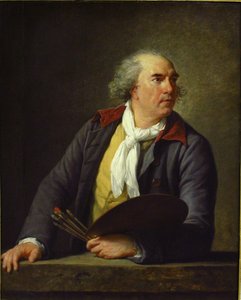
1733–1808, Prantsusmaa
Hubert Robert
Varane elu, pere ja kunstiline haridus Pariisis 1733. aastal sündinud Hubert Robert astus maailma, kus tema pere sotsiaalne staatus oli seotud teiste teenistusest. Tema isa, Nicolas Robert, esitas ametit märkimisaeglase isiku majanduses, ning see side hõivab lõpuks noore mehe liikumise läbi Prantsuse ülempiiride. See varane stabiilsus pakkus alustala tema formaalsele haridusele, mida ta jätkas Collège de Navarre rangusAastad Roomas: Kunstniku identiteedi kujunemine 1754.
Ka Hubert Robert teosed
 The Pont du Gard1787
 The Finding of the Laocoön1773
 Le port de Ripetta
 PROJET D'AMENAGEMENT DE LA GRANDE GALERIE DU LOUVRE

Essee teemadel Painters
 Impresionismi 10 Meisterteost: Kunsti Ajaloos Muutnud Maalid | OriginalUniqueArtAvastage 10 impressionismi suurmeisterteost! Claude Monet, Renoir ja teised kunstnikud muutsid maalikunsti. Loe nende lugusid ja leia täius…
 Hubert Robert: Picturing Ruins, Preserving Memory – A Study of Romantic Antiquarianism & Artistic InnovationExplore the captivating world of Hubert Robert, master of Romantic landscape painting & 'capriccio' ruins. Discover his historical context,…
 Emotion vs. Observation: A Guide to Romanticism and RealismMaster the differences between Romanticism and Realism through expert analysis. Discover the art of emotion versus observation now.