

 Vaata sisu
 Jaga teost
 Jaga
Jaga
 Detailid
 Õppekate juhend

 Laadi alla
 Sarnased teosed
 Röntgenuuring
 Slaidietendus
 Statistika
Apollo Killing the Python
 Engraving
- Baroque Mannerism
 1589
1589 21.0 x 29.0 cm
 Los Angeles County Museum of Art
 Loe lähemalt
Giclée / Kunstiprint
Muuseumikvaliteediga giclée- või kangasprint kiire tootmisega ja paindlikud viimistlusvõimalused. ( Telli käsitsi maalitud reproduktsioon Ülemineku digitaalse pildi müügi kanalisse)




P118B €10

P118H €10

P118W €10

P438Z €10

P508JH €12

P508YH €12

P805H €10

P805Z €10

P919BZ €10

P919G €10

P919XJ €10

P959ZH €10

P968JZ €12

W106C €8

W218G €10

W218JH €8

W218Y €10

W307PJ €10

W316G €10

W316PJ €8

W316Y €10

W398PJ €8

W4111J €10

W500HY €15

W500JH €15

W692G €12

W849H €8

W940BG €15

W953PJ €8




Vali meie eelmääratud suurused, mis vastavad teose algupärastele proportsioonidele.

Sisestage vajalik laius ja kõrgus, et see sobiks teie raamile või seinale. Trükki saab ainult lõigata, seda ei saa kunagi pildist suuremaks teha, seega ka differentse vormiga suurus kaotab osa pildist. Enne trükkimist saadame teile kinnitamiseks digitaalse näidisprojektsiooni. Sellel lehel näidatud pilt ei kujuta reaalset lõiget — seda näitab ainult näidisprojekttsioon.
Ülemaailmne tarne () 2 nädala jooksul, tavalise 4/5 nädala asemel. (19 oktoober)

Tasuta ekspresssaatmine üle maailma

Kõrgekvaliteediline lina-kangastest muld

Täielik transpordikindlustus

Tollimaksude tagastamise garantii

Värvitoime täpsuse garantii

100 päeva tagastusõigus (ainult defektide korral)

100% raha tagasi garantii

Hulgusoodustus
 Klaasivalik on saadaval ainult kuni 110 cm suuruses teostes

Apollo Killing the Python
Giclée / Kunstiprint
Reproduktsiooni mõõtmed
-


Lõppsumma
€ 70
Hendrik Goltzius’s Apollo Killing the Python: A Masterpiece of Mannerist Drama
Apollo Killing the Python is more than just an image; it's a distillation of Renaissance mythology into a powerfully expressive engraving by Hendrik Goltzius, completed in 1589. This artwork stands as a testament to Goltzius’s innovative approach to printmaking and his ability to convey complex narratives with breathtaking visual clarity—a skill that cemented his place among the foremost artists of the Baroque era. The piece captures a pivotal moment from Ovid's Metamorphoses, depicting Apollo, god of music and poetry, engaged in a brutal confrontation with Python, representing primordial chaos and evil.- Composition & Style: Goltzius’s masterful use of perspective creates a dynamic scene that draws the viewer into the drama unfolding before them. The engraving adheres to the principles of Mannerism—a stylistic movement characterized by elongated figures, stylized poses, and dramatic contrasts of light and shadow—reflecting a desire to transcend realism and explore psychological states rather than simply depicting observable reality.
- Technique: Goltzius employed a technique known as ‘swelling line,’ which he developed himself, resulting in lines that appear thicker than they actually are. This method dramatically enhances the visual impact of the engraving, emphasizing contours and creating an illusion of depth—a hallmark of Baroque art. The meticulous detail achieved through hatching and shading contributes to the overall sense of realism despite the stylized figures.
- Symbolism: The confrontation between Apollo and Python carries profound symbolic weight. Apollo embodies reason, order, and divine authority, battling against the forces of darkness and irrationality. The serpent symbolizes primordial chaos, representing the struggle between good and evil that underlies all human experience. Goltzius’s depiction underscores the enduring themes of heroism, triumph over adversity, and the victory of intellect over instinct.
- Historical Context: Created during a period of artistic experimentation and intellectual ferment—the early Baroque—Apollo Killing the Python reflects the broader cultural anxieties surrounding religious reform and the burgeoning humanist spirit. Goltzius’s engraving aligns with the prevailing aesthetic sensibilities of the time, demonstrating an artist's engagement with contemporary philosophical ideas.
- Emotional Impact: The engraving evokes a palpable sense of tension and drama—a hallmark of Mannerist art. Goltzius skillfully captures the physicality of the struggle between gods and serpent, conveying both violence and nobility. The image resonates with viewers today due to its exploration of universal themes concerning conflict, resilience, and the pursuit of enlightenment.
Küsimused ja vastused
Kust saan osta teose „Apollo Killing the Python“, autor Hendrik Goltzius digitaalse pildi?
Teose "Apollo Killing the Python" digitaalset versiooni saab tellida kui kõrge resolutsiooniga digitaalse pildi allalaadimine, ostedes seda otse sellelt lehelt Digitaalne pilt.
Millist ruumi on „Apollo Killing the Python“, autor Hendrik Goltzius jaoks soovitatav?
Teose "Apollo Killing the Python" reproduktsiooni sobivad hästi Living Room-i.
Kas teose „Apollo Killing the Python“, autor Hendrik Goltzius värvid on kütkestatud või pehmed?
Teose "Apollo Killing the Python" värvipalett on koonuse方面 Muted.
Kunstniku elulugu
varajärumine ja õppimine
Hendrick Goltzius, Saksa nimega Hollandi graveerija, joonistaja ja maalari, sündis jaanuaris või veebruaris 1558. Ta oli varajase baroki ajastu ehk põhja-mannerismi juhtiv hollandlane, keda imetleti tema sofisteeritud tehnika ja kompositsioonide "ülesütlevuse" eest. A. Hyatt Mayoriga on lausa nii väidetud, et Goltzius "oli viimane professionaalne graveerija, kes joonistas hea maali autoriteesel ja viimane, kes lõi palju pilte, mida teised hiljem kopeerisid". Kui Goltziuse pere kolis kolmas lapsena Duisburgi, õppis ta esmalt oma isalt klaasimaleed, ning hiljem sai graveerimise meisterlikkuse Hollandi polümaatri Dirck Volckertszoon Coornherti kädest.kunstiline karjäär
Aastatel 1577 kolis Goltzius koos Coornhertiga Haarlemisse, Hollandi Vabariikku, kus ta püsis ülejäänud elu oma loovtöö keskpunktina. Ta töötas ka Philip Galle jaoks, graveerides seeria joonistusi Lucretia ajaloost. Olgu see imetlust väärt, et Goltziusel oli beebiena lapsena tulekahviga deformeerunud parempool, mis osavuse ta vastu sündis, näitas end graveerimisburini hoidmisel erakordselt soodsala. See ainulaadne füüsiline omadus võimaldas tal saavutada kontrollitud ja võimsate joonidega täidetud stiili, muutes tema graveerimised kordumatult eristuvaks. Hendrick Goltzius tõi "swelling line" ehk "swelling line" (vähnevad jooned) kasutamise erakordsetale tasemele, kus burini manipuleerimine joonede paksuse ja õthinusega võimaldas kaugult vaadates luua sügav tooniefekti.tehnika ja stiil
Goltutsus oli "dot and lozenge" ehk "punkt ja rombid" tehnika uuendaja, kus punktid asetati ristikihoidmise abil loodud rombideta ala keskendesse, et täiendavalt täpsustada toonide varjustamist. Ülestütlevat kontrolli burini üle peetakse Düreri väärsetks, ning ta tegi graveerimisi ka Bartholomeus Sprangeri maalidest, tõstes nii viimase kui enda ka mainekust. Goltzius alustas maaliimisel neljakümmend kahe aastat vanaks saades; osa tema maalidest on täna üles leidud Viinnis. Ta teostas samuti mitmeid chiaroscuro-stilisi puust latti.avalikud kogumikud ja pärand
Enamik suuremaid trükikogu saadusi hoiab endas Goltziuse arvukaid graveerimisi, sealhulgas Museum Boijmans Van Beuningen, Rijksmuseum Amsterdam ja The Metropolitan Museum of Art. Tema pärand on nähtav ka teiste kunstnike, nagu Jacques Bellange teostes, kes oli samuti põhja-manneristliku graafika meister. Goltziuse graveerimised ja maalid jätkavad inspiratsiooni andmist nii kunstihuvilistele kui ka teadlastele ning tema töud on leitav OriginalUniqueArt.com lehekundel ja Wikipedia artiklis, mis on pühendatud tema elule ja loomule.- mõned Goltziuse märkimisväärsed teosed on: Jupiter, Minerva ja profeet Baruch
- muuseumid, kus tema töud asuvad: Los Angeles County Museum of Art, Philadelphia Museum of Art ja

Hendrik Goltzius
1558 - 1617 , Italia
Lühikest infot
- Artistic Movement Or Style: Põhja manierism ja barokkmeistritegut
- Artists Or Movements Influenced By This Artist: ['Jacques Bellange']
- Artists Who Influenced This Artist:
- Dirck Volckertszoon Coornhert
- Bartholomeus Spranger
- Date Of Birth: Jaanuar või veebruar 1558
- Full Name: Hendrick Goltzius
- Nationality: Hollandi
- Notable Artworks:
- Lambiteaduste imetlus
- Arkaadiline maastik
- Sireeni pea
- Herkulees tapab Kakust
- Demogorgon ja jumalad
- Apollo Belvedere
- Viimene armastus
- Vries, Frederik de (suri 1613)
- Place Of Birth: Braunschweig, Itaalia
Sarnased artiklid

Chiaroscuro and Character: A Definitive Guide to Light and Shadow in the Dutch Baroque Era
Explore the dramatic mastery of the Dutch Baroque era. Discover how masters like Rembrandt used chiaroscuro to transform everyday life into timeless art. An expert guide for collectors and enthusiasts seeking to understand the profound interplay of light and shadow.
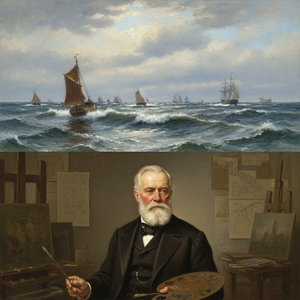
Hendrik Willem Mesdag: Pioneering Impressionism & the Dutch Maritime Tradition
Explore the life & work of Hendrik Willem Mesdag, a pioneer of Dutch Impressionism and leading figure of the Hague School. Discover his captivating seascapes and the immersive Panorama Mesdag – a true masterpiece.

Golden Light & Dutch Skies: The Timeless Magic of Dutch Golden Age Landscapes
Discover the breathtaking beauty of Dutch Golden Age landscapes. Explore the mastery of light, chiaroscuro, and 17th-century realism through an expert art history lens, celebrating the enduring legacy of the Dutch Masters for discerning collectors and art lovers.
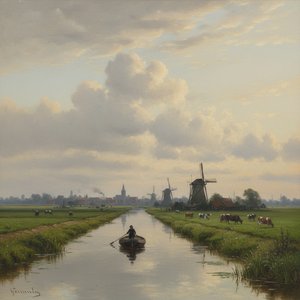
Johan Hendrik Weissenbruch: Capturing Dutch Light & Atmosphere – A Master of Realism
Discover Johan Hendrik Weissenbruch (1824-1903), a leading Dutch Hague School painter renowned for his atmospheric watercolours & oil landscapes. Explore his beautiful depictions of the Dutch countryside and skies – a master of light & detail.

Hendrick Goltzius: Master Engraver & the Flourishing of Dutch Mannerism
Explore the life & art of Hendrick Goltzius, a master engraver of Dutch Mannerism. Discover his innovative techniques, iconic engravings like 'Jahel', and lasting influence on Baroque art. Learn about collecting Goltzius today.