Italian Renaissance · 1550
Pietà (Giulio Clovio, 1550)
Giulio Clovio (1498–1578) on loonud teose Pietà. See on pärinev 1550 aastast. See kuulub Italian Renaissance suuntrime. Teos on valmistatud materjalist Manuscript. Teos asub Galleria degli Uffizi kogamuses Firenze, Italia. Mõõdud on 368 × 257 cm.
- 1550
- Manuscript
- 368 × 257 cm
- Galleria degli Uffizi, Firenze

 Eelvaade

 Käsitsi maalatud õlimaalatsioon
 Saada
 Jaga
 Teave teose kohta


 Laadi alla
 Sarnased teosed
 Röntgenuuring
 Slaidietendus
 KÜSIMUSED JA VASTUSID

 Statistika
Pietà lühidalt
- Pealkiri
- Pietà
- Kunstnik
- Giulio Clovio (1498–1578)
- Kunstnik on sündinud
- Grižane, Horvaatia
- Kuupäev
- 1550
- Tehnika
- Manuscript
- Mõõtmed
- 368 × 257 cm
- Kus seda näeb
- Galleria degli Uffizi, Firenze, Italia
- Suunad
- Italian Renaissance
- Aeglkond
- Renaissance
- Teema
- virgin mary, jesus christ, religious iconography, renaissance art, classical composition, emotional depth
Mida Pietà kujutab?
A Testament to Sorrow and Divine Grace
In the quiet, hallowed corridors of art history, few images resonate with the profound emotional gravity found in Giulio Clovio’s Pietà. Created around 1550, this masterpiece serves as a breathtaking bridge between the fading echoes of the Gothic tradition and the luminous dawn of the High Renaissance. The scene captures the quintessential moment of Christian sorrow: the Virgin Mary cradling the lifeless body of Jesus Christ following his crucifixion. It is not merely a depiction of death, but a profound meditation on compassion—the very meaning of the word Pietà. Through Clovio’s masterful hand, the heavy weight of mortality is balanced by an ethereal sense of divine grace, inviting the viewer into a space of deep, contemplative mourning.
The composition is a masterclass in Renaissance balance and narrative depth. At the heart of the work, Mary sits as a pillar of strength and grief, her blue cloak—a color traditionally symbolizing her heavenly connection—draped with a weight that mirrors her sorrow. The figure of Christ, depicted with a serene, almost peaceful countenance despite his recent agony, rests heavily in her lap, creating a poignant focal point that draws the eye through its sheer vulnerability. Surrounding this central tragedy, celestial beings and saints emerge from the shadows; angels with active, reaching gestures and observers in prayerful poses create a sense of a cosmic event unfolding. This layering of figures ensures that the viewer’s gaze wanders through a complex web of devotion, from the intimate touch of a mother to the collective mourning of the heavens.
Technique and the Radiance of Light
What truly distinguishes Clovio’s work is his unparalleled ability to manipulate light and color, a skill honed during his time as one of history's greatest manuscript illuminators. Though this piece possesses the scale and grandeur of a monumental painting, it retains the meticulous, jewel-like precision of a miniature. Clovio employed a sophisticated technique of layering translucent glazes over gold leaf, a method that allows light to penetrate the surface and reflect back, creating an inner luminosity that seems to emanate from within the figures themselves. The use of ultramarine blue, derived from the precious stone lapis lazuli, provides a depth of color that is both regal and somber, anchoring the composition in a palette of earth tones and celestial blues.
The interplay of light and shadow—chiaroscuro—is used here not just for anatomical realism, but to direct the emotional narrative. Light strikes Mary’s face from the side, carving her features out of the darkness and highlighting the subtle lines of grief and devotion. This dramatic contrast creates a sculptural quality, giving the figures a tangible presence that commands the room. For the discerning collector or interior designer, such a work offers more than mere decoration; it provides a focal point of immense character. A high-quality reproduction of this Pietà brings with it an atmosphere of timelessness and intellectual depth, making it an exquisite addition to a curated space that values historical resonance and the profound beauty of the human spirit.
Kumba muuseumis asub teos Pietà?
Galleria degli Uffizi
Firenze, Italia
Galleria degli Uffizi ajalugu ja päritolu Galleria degli Uffizi asub Itaalias, Firenzes. See institutsioon loodi aastal 1560, perioodil, mil algselt kavandas selle Giorgio Vasari Firenzes töötavatele magistraatidele. Ehitise moodustamine toimus aastate 1560 ja 1580 vahel.
 Experience Sandro Botticelli’s ‘Birth of Venus’! A Renaissance masterpiece showcasing classical beauty & grace. Own a stunning reproduction of this iconic artwork – timeless elegance awaits.
The Birth of Venus
artworks_database
/en/art/sandro-botticellSandro Botticelli, 1485
 PrimaveraSandro Botticelli, 1482
 Venus of Urbino
Urbino VenusTizian, 1538
Pietà kõrge resolutsiooniga pildid

Avalik omanik: kunstnik suri aastal 1578.
Teised laiused, uueste lõikud ja alluding →Giulio Clovio, Pietà (1550), Galleria degli Uffizi. Avalik omaniklik õigus
Küsimused teemal Pietà – vastused
Millises muuseumis on säilitatud originaal "Pietà"?
Teos „Pietà“, autor Giulio Clovio on näitustel Galleria degli Uffizi, Firenze, Italia. Muuseumi keterangane viitab originaalteosele, mitte reproduktsioonidele.
Mis on teose „Pietà“, autor Giulio Clovio loomisaeg?
Teos "Pietà" on pärit aastast 1550. See ajastu aitab mõista teost Giulio Clovio karjääri ja selle ajastu kontekstis.
Millises materjalis on teos „Pietà“, autor Giulio Clovio valmistatud?
Teose „Pietà“, autor Giulio Clovio materjal on Manuscript. Reproduktsioonide eesmärk on jälitada selle tehnika välimust.
Mis on originaalteose "Pietà" mõõdud?
Originaalteose „Pietà“, autor Giulio Clovio mõõdud on 368 x 257 cm.
Mille kohta teos "Pietà" on?
„Pietà“, autor Giulio Clovio kujutab: virgin mary, jesus christ, religious iconography, renaissance art, classical composition, emotional depth, medieval influence.
Kas teos "Pietà" on ilma autoriõigusteta?
Autoriõiguse teave teose „Pietà“, autor Giulio Clovio kohta: teos kuulub luba ala avalikus õiguses – selle autoriõigud onหมดunud. See määrab, kas kujundist on lubatud vabadelt reproduktsioone teha.
Millisele kunstnikule on teos "Pietà" atribuutseeritud?
Teose "Pietà" looja on Giulio Clovio. Teos on kataloogitud nime Giulio Clovio all.
Millissele kunstisuunale kuulub teos „Pietà“, autor Giulio Clovio?
Teosest „Pietà“, autor Giulio Clovio tuntud kunstisuuna on Italian Renaissance. See klassifikatsioon aitab teost paigutada sarnaste kunstnike ja teoste hulka.
Millissele perioodile Giulio Clovio karjäärist kuulub teos "Pietà"?
Giulio Clovio loomingus kuulub teos "Pietà" perioodi Mature Period. See etap aitab seda võrdida kunstniku teiste töödega.
Kunstnikust, Giulio Clovio

1498–1578, Horvaatia
Giulio Clovio
Itaalia renessanssi kroaatlik luminatsioon Giulio Clovio, kes sündis 1498. aastal Kroatias Grižanes virisevate mägede vahel nimega Juraj Julije Klović, seisab kui võtmetä人物, mis ühendas käsikirjade iluminatsiooni hilisgotiiklikud traditsioonid koos kasvava kõrge renessanssiga. Kuigi tema juured lesisid Kroatia kuningriigis, oli just Itaalias, kus Clovio kunstiline genius tõeliselt lennukale tõus, saades kuuluks oma ajastu võib-olla suureimaks illumineerijaks ja viimaseks oluliseks meistriks sajandite pikkuses hoolitsevalt hoitud pärandis. Tema lugu on märkimisteküpse talendi, nutika patroonide toetuse ja vankumatut pühendumuse lugu, millega ta tõusitas miniatuurkunsti hingatavaks ja ülimalt sofisteeritud kunstivormiks.
Ka Giulio Clovio teosed
 The Rape of Ganymede
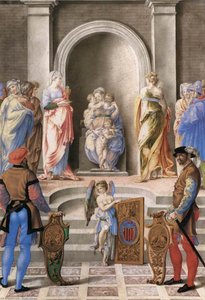 The Three Theological Virtues
 Holy Family with Santa Isabel and San Juanito1556
 Pages from the Farnese Hours1538
Essee teemadel Pietà
 Masterpieces of Giotto: The Top 25 Essential Artworks of the Renaissance PioneerExplore Giotto's greatest masterpieces and his role in the Renaissance. Discover the full collection online at OriginalUniqueArt.com.
 Mastering Color and Light: The Timeless Brilliance of Titian's Venetian MasterpiecesExplore the luminous mastery of Titian. Discover how the Venetian master revolutionized color and light through breathtaking Renaissance te…
 Michelangelo Buonarroti: A Renaissance Titan – Life, Works & Enduring LegacyExplore the life, works & enduring legacy of Michelangelo Buonarroti, a Renaissance titan. Discover his iconic sculptures, frescoes, and ar…