Baroque Landscape
Landscape (Gillis Van Coninxloo)
Gillis Van Coninxloo (1544–1607) on loonud teose Landscape. See kuulub Baroque Landscape suuntrime. Teos on valmistatud materjalist Oil On Copper. Teos asub Museo del Prado kogamuses Madrid, Hispaania. Mõõdud on 24 × 19 cm.
- Oil On Copper
- 24 × 19 cm
- Museo del Prado, Madrid

 Eelvaade

 Käsitsi maalatud õlimaalatsioon
 Saada
 Jaga
 Teave teose kohta


 Laadi alla
 Sarnased teosed
 Röntgenuuring
 Slaidietendus
 KÜSIMUSED JA VASTUSID

 Statistika
Landscape lühidalt
- Pealkiri
- Landscape
- Kunstnik
- Gillis Van Coninxloo (1544–1607)
- Kunstnik on sündinud
- Antwerpen, Belgia
- Tehnika
- Oil On Copper
- Mõõtmed
- 24 × 19 cm
- Kus seda näeb
- Museo del Prado, Madrid, Hispaania
- Suunad
- Baroque Landscape
- Teema
- landscape, flemish style, baroque art, forest scene, castle architecture, atmospheric perspective
Mida Landscape kujutab?
A Flemish Master’s Woodland Reverie: Gillis van Coninxloo's “Landscape”
Gillis van Coninxloo’s “Landscape,” a captivating oil on copper panel, transports the viewer to a realm of serene contemplation within a meticulously rendered Flemish forest. Painted around 1598, this work stands as a pivotal example of the artist’s mastery in capturing the atmospheric depth and intricate detail characteristic of the early 16th-century Golden Age. More than just a depiction of nature, it's an invitation to lose oneself within a carefully constructed world of light, shadow, and subtle symbolism – a testament to van Coninxloo’s profound understanding of both landscape painting and the human experience.
The scene unfolds before us with remarkable realism. A dense thicket of trees dominates the foreground, their leaves rendered with an almost obsessive attention to detail; each vein, each curl of bark, is painstakingly observed and faithfully reproduced. These trees aren’t merely static elements; they create a palpable sense of depth, drawing the eye into the heart of the forest. Beyond them, a modest collection of buildings – likely farmhouses or small dwellings – nestles amongst the foliage, suggesting a quiet rural existence. The architecture is understated yet solid, reflecting a pragmatic approach to building within this natural setting. In the distance, a formidable castle rises above the horizon, its imposing silhouette anchoring the composition and hinting at notions of power, protection, and perhaps even isolation.
The Alchemy of Light and Shadow: Technique and Style
Van Coninxloo’s technical skill is immediately apparent in his masterful use of oil on copper. This medium allowed for a remarkable level of detail and luminosity – the surface retains a subtle sheen that enhances the richness of the colors and creates an almost three-dimensional effect. The artist employs a technique known as “chiaroscuro,” skillfully manipulating light and shadow to sculpt the forms and create a dramatic sense of depth. Notice how the sunlight filters through the trees, dappling the ground in pools of brightness while simultaneously casting deep shadows beneath the foliage. This interplay of light and dark isn’t merely decorative; it imbues the scene with a palpable atmosphere – a feeling of both tranquility and mystery.
Stylistically, “Landscape” aligns itself with the Flemish tradition of landscape painting, yet van Coninxloo departs from some of the more rigid conventions of the time. While influenced by the Northern Mannerist style—characterized by its emphasis on detail and symbolic imagery—he introduces a greater sense of naturalism and emotional resonance. The composition is carefully balanced, creating a harmonious whole that invites contemplation. The muted color palette – dominated by greens, browns, and grays – contributes to the overall feeling of serenity and timelessness.
A Window into 16th-Century Life and Belief
To fully appreciate “Landscape,” it’s important to consider its historical context. Painted during a period of religious upheaval and political instability in the Netherlands, this work reflects both the anxieties and the enduring values of the era. The castle, for instance, can be interpreted as a symbol of authority – whether representing secular power or divine protection. The humble dwellings nestled within the forest suggest a connection to the land and a reverence for rural life. Furthermore, the dense woodland itself has long been associated with themes of solitude, introspection, and the spiritual realm.
Interestingly, this painting was originally housed in the Museo del Prado in Madrid, Spain, a testament to its enduring appeal across national boundaries. The artist’s biography reveals a fascinating journey – from Antwerp to Germany and eventually Amsterdam—reflecting the shifting political landscape of the time. His work served as a bridge between artistic styles, incorporating elements of Mannerism while embracing the burgeoning realism of the Dutch Golden Age.
A Timeless Masterpiece: Reproduction and Inspiration
Reproductions of “Landscape” capture only a fraction of its original impact. The subtle nuances of light, texture, and atmosphere are difficult to replicate fully, but OriginalUniqueArt’s hand-painted reproductions strive to honor the artist's vision with remarkable fidelity. This piece offers an exceptional opportunity for interior designers seeking to evoke a sense of tranquility and connection to nature – imagine it adorning a study or a living room, providing a focal point that invites contemplation. Collectors will find “Landscape” to be a valuable addition to any art collection, representing a significant moment in the history of Flemish landscape painting.
For further exploration, we encourage you to visit the linked resources:
Kumba muuseumis asub teos Landscape?
Museo del Prado
Madrid, Hispaania
Madridi Museo del Prado: Kunstniku Hingest Ajatu Ilu Sisenedes Madridi Museo Nacional del Pradosse, tunned end olevat astunud ajas tagasi – elavas kroonikas, mis peegeldab Hispaania kunsti arengut ja kuningate toetust. See ei ole pelgalt meistriteoste hoiukohus, vaid uhke palee, mille seinad kajastavad Velázquezi, Goyaga, El Grecosa ja paljude teiste pintslilööke. Algselt Ferdinand VII pool loodud "Looduskabinetina" muutis julge otsus tähistada Hispaania kunstipärandit sellest ambitsioonikast projektist üheks maailma mainekamaks muuseumiks – kohaks, kus mineviku hiilguse ja tänapäeva akadeemilise teadlikkuse elav pulsatsioon sulavad kokku.


Landscape kõrge resolutsiooniga pildid
Avalik omanik: kunstnik suri aastal 1607.
Gillis Van Coninxloo, Landscape, Museo del Prado. Avalik omaniklik õigus
Küsimused teemal Landscape – vastused
Kust saab teose „Landscape“, autor Gillis Van Coninxloo täna vaadata?
Originaalteost „Landscape“, autor Gillis Van Coninxloo hoiustatakse Museo del Prado, Madrid, Hispaania muuseumis. Reproduktsioon võimaldab teost koduses keskkonnas esitleda.
Millist tehnikat teose „Landscape“, autor Gillis Van Coninxloo valmistamisel kasutati?
Teose „Landscape“, autor Gillis Van Coninxloo materjal on Oil On Copper. Reproduktsioonide eesmärk on jälitada selle tehnika välimust.
Mis on originaalteose "Landscape" mõõdud?
Teose „Landscape“, autor Gillis Van Coninxloo mõõdud on 24 x 19 cm. Reproduktsioone saab tellida muutes mõõtust, säilitades samal ajal samad proportsioonid.
Mida „Landscape“, autor Gillis Van Coninxloo kujutab?
„Landscape“, autor Gillis Van Coninxloo kujutab: landscape, flemish style, baroque art, forest scene, castle architecture, atmospheric perspective, detailed rendering.
Kas teos "Landscape" on ilma autoriõigusteta?
Autoriõiguse teave teose „Landscape“, autor Gillis Van Coninxloo kohta: teos kuulub luba ala avalikus õiguses – selle autoriõigud onหมดunud. See määrab, kas kujundist on lubatud vabadelt reproduktsioone teha.
Kes on teose "Landscape" looja?
Teose "Landscape" autoriks on mõeldud Gillis Van Coninxloo.
Millisse kunstisuuna kuulub teos „Landscape“, autor Gillis Van Coninxloo?
"Landscape" on Baroque Landscape suunaga teos. See suundumine viitab kunstilisele traditsioonile, millega teos on seotud.
Millissele perioodile Gillis Van Coninxloo karjäärist kuulub teos "Landscape"?
Teos "Landscape" esindab kunstniku Gillis Van Coninxloo loovperioodi Late Baroque.
Kas Gillis Van Coninxloo teos "Landscape" kuulub avalikku omandisse ja miks?
Gillis Van Coninxloo teos "Landscape" on avalikus õiguses – selle autoriõigud onหมดunud. Autoriõiguse kaitseajad arvutatakse alates kunstniku surmaõigustest ning Gillis Van Coninxloo suri aastal 1607.
Kunstnikust, Gillis Van Coninxloo
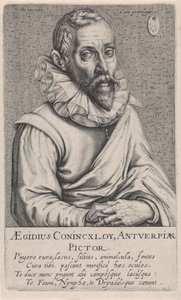
1544–1607, Belgia
Gillis Van Coninxloo
Rohelise maailma meister Gillis Van Coninxloo seisab Põhja maastikunaja evolutsioonis kui murueline figuur, toimides elutähtesa sillana keeruliste manierismi traditsioonide ja varajase baroki kasvava atmosfäärilise sügavuse vahel. Belgia Antwerpenis sündinud kunstniku elu oli sügavalt seotud Madalmaatsade rikkast kunstilisest pärandist. Maalari pojana oli ta sukeldunud maailma, kus käsitöömeistrillion ja looduse täpne jälgimine olid üliolulised. Tema varajane õppimine meistrite nagu Pieter Coecke van Aelst noorem ja Lenaert Kroes juures andis talle tugeva aluse, kuid just töö osalis Gillis Mostaert töötoas võimaldas tema talentil tõeliselt õitseta, lamedades talle võimalust osaleda professionaalsel tasemel valminud teostes ning samal ajal teravdada oma unikaalset visiooni.
Teel Gillis Van Coninxloo kohta Gillis Van Coninxloo silmapaistvad teosed
Ka Gillis Van Coninxloo teosed
 Jonah Preaching to the Ninevites1583
 Woodland with Saint Jerome1583
 Landscape with the judgment of Midas1598
 Landscape with the Judgement of Paris1610
Essee teemadel Landscape
 Masterpieces of Jan van Goyen: Top 25 Iconic Dutch LandscapesExplore 25 iconic Jan van Goyen landscapes from the Dutch Golden Age. Discover these tonal masterpieces on OriginalUniqueArt.com.
 Chiaroscuro & Shadows: The High-Impact Power of Moonlight in Masterpiece LandscapesMaster the drama of chiaroscuro and moonlight in classical landscapes. Explore the power of light and shadow now.
 Masterpieces of Nature: The Top 25 Artworks by Jacob van RuisdaelExplore 25 iconic Jacob van Ruisdael landscapes. Discover the soul of Dutch Golden Age art. Explore the full collection online at OriginalU…