Analytical Cubism · 1929
The Round Table (Georges Braque, 1929)
Georges Braque (1882–1963) on loonud teose The Round Table. See on pärinev 1929 aastast. See kuulub Analytical Cubism suuntrime. See on valmistatud materjalist Acrylic. Mõõtmed on 144 × 114 cm.
- 1929
- Acrylic
- 144 × 114 cm

 Eelvaade

 Käsitsi maalatud õlimaalatsioon
 Saada
 Jaga
 Teosest infokaart


 Laadi alla
 Sarnased teosed
 Röntgenuuring
 Slaidietendus
 KÜSIMUSED JA VASTUSID

 Statistika
The Round Table lühidalt
- Pealkiri
- The Round Table
- Kunstnik
- Georges Braque (1882–1963)
- Kunstniku sünnukoht
- Argenteuil, Prantsusmaa
- Kuupäev
- 1929
- Materjalid
- Acrylic
- Mõõtmed
- 144 × 114 cm
- Liikumine
- Analytical Cubism
- Teema
- bookshelf composition, table setting, fruit symbolism, geometric forms, artist's gesture, spatial illusion
Mida The Round Table kujutab?
Georges Braque’s “The Round Table”: A Dialogue Between Tradition and Innovation
- Subject Matter and Composition:
- Cubist Style and Technique:
- Historical Context – The Birth of Cubism:
- Symbolic Resonance – Apples, Books, and Spatial Illusion:
- Emotional Impact – Quiet Contemplation and Artistic Exploration
Cubist Style and Technique
Braque, alongside Pablo Picasso, spearheaded the development of Analytical Cubism, characterized by its radical fragmentation of form and simultaneous depiction of multiple viewpoints. Unlike Impressionists who sought to capture fleeting moments of light and color, Cubists aimed to represent objects as they appear to the eye when viewed from various angles simultaneously. In “The Round Table,” this is achieved through meticulous geometric reduction—the table surface and books are broken down into interlocking planes that overlap and intersect, creating a disconcerting yet captivating illusion of depth. The artist’s use of muted earthy tones – browns, ochres, and creams – reinforces the sense of stillness and contemplation inherent in the scene. Careful layering of paint contributes to textural richness without resorting to overtly expressive brushstrokes; Braque prioritizes precision and intellectual rigor over emotive gesture.Historical Context – The Birth of Cubism
The genesis of Cubism can be traced back to Picasso’s groundbreaking “Les Demoiselles d'Avignon” (1907), which shattered established artistic norms by depicting figures rendered in fractured planes and incorporating influences from African sculpture. Braque responded swiftly, furthering the exploration of spatial ambiguity and geometric abstraction. The painting emerged during a period of intense intellectual ferment—the burgeoning influence of Einstein’s theory of relativity challenged Newtonian conceptions of space and time, mirroring the Cubists' desire to dismantle traditional perspectival representations. This artistic rebellion was fueled by a broader cultural shift toward questioning accepted truths and embracing new modes of perception.Symbolic Resonance – Apples, Books, and Spatial Illusion
The inclusion of an apple—a motif frequently revisited in Surrealist art—introduces a subtle element of visual paradox. Traditionally associated with knowledge, temptation, and immortality, the apple’s placement on the table subtly disrupts the geometric order established by Braque's technique. Simultaneously, the books symbolize intellectual pursuit and contemplation – mirroring the figure’s posture and gaze. More importantly, the overall spatial arrangement contributes to a feeling of disorientation—the viewer is invited to consider multiple perspectives simultaneously, reflecting the Cubist preoccupation with challenging conventional visual experience. The careful positioning of objects reinforces the idea that reality itself is multifaceted and elusive.Emotional Impact – Quiet Contemplation and Artistic Exploration
Ultimately, “The Round Table” transcends mere formal innovation; it communicates a profound sense of quiet contemplation. Despite its complex geometric structure, the painting exudes an atmosphere of stillness—suggesting a moment of introspection rather than dramatic action. Braque’s masterful control over color and texture invites viewers to engage in a dialogue with the artwork itself, prompting reflection on themes of knowledge, perception, and artistic endeavor. It stands as a testament to Braque's ability to distill complex ideas into a deceptively simple visual form—a lasting legacy of Cubist artistry that continues to inspire admiration and contemplation today.The Round Table kõrge resolutsiooniga pildid
Autoriõigustega kaitstud: need failid on mõeldud isiklikuks vaatamiseks, mitte uuestipublickeerimiseks.
Georges Braque, The Round Table (1929).
Küsimused teemal The Round Table – vastused
Mis aastal loodi teos „The Round Table“, autor Georges Braque?
Teos "The Round Table" on pärit aastast 1929. See ajastu aitab mõista teost Georges Braque karjääri ja selle ajastu kontekstis.
Millises materjalis on teos „The Round Table“, autor Georges Braque valmistatud?
Teos "The Round Table" on valmistatud tehnika Acrylic.
Mis on originaalteose „The Round Table“, autor Georges Braque mõõdud?
Teose „The Round Table“, autor Georges Braque mõõdud on 144 x 114 cm. Reproduktsioone saab tellida muutes mõõtust, säilitades samal ajal samad proportsioonid.
Mille kohta teos "The Round Table" on?
Teemad, mis teoses „The Round Table“, autor Georges Braque esinevad, hõlmavad bookshelf composition, table setting, fruit symbolism, geometric forms, artist's gesture, spatial illusion, color palette. Koos need kokkuvõtavad teose sisu.
Kas teos „The Round Table“, autor Georges Braque kuulub avalikku omandisse?
Teos „The Round Table“, autor Georges Braque on lubaõiguslikult on endiselt autoriõiguse all under kaitse. See staatus reguleerib teose pildi reprodüseerimise võimalusi.
Millisele kunstnikule on teos "The Round Table" atribuutseeritud?
Teose "The Round Table" loovija on Georges Braque. Selle lehe info kirjeldab Georges Braque algteost.
Millissele stiilile kuulub "The Round Table"?
Teosest „The Round Table“, autor Georges Braque tuntud kunstisuuna on Analytical Cubism. See klassifikatsioon aitab teost paigutada sarnaste kunstnike ja teoste hulka.
Millissele perioodile Georges Braque karjäärist kuulub teos "The Round Table"?
Teos "The Round Table" kuulub Georges Braque loomingulise karjääri perioodi Analytical Cubism. See klassifikatsioon seostab teose kunstniku loovliku arenguga.
Mis vanuses loos Georges Braque teose "The Round Table"?
Georges Braque loobus teose "The Round Table" 47 aasta vanuses. Kunstnik on sündinud aastal 1882 ning teos on dateeritud 1929.
Kunstnik Georges Braque kohta
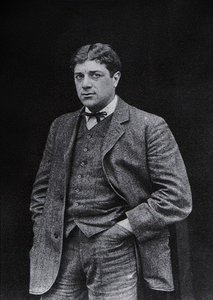
1882–1963, Prantsusmaa
Georges Braque
Varajärgi ja kunstiline alus Georges Braque, kes sündis 1882. aastal Prantsusmaal Argenteuilis, astus ette teele, mis oli sügavalt seotud moderniseeruva kunstimaastikuga. Tema kasvupõlved majaülesehajatest ja dekoratoridest pärines enough tehniline meisterlikkus materjalide suhtes, kuid ka varajane arusaatus vormist ja struktuurist. Kuigi alguses järgnes ta oma isa kutsetööle, viisid Braque loomulikud kunstilised kalduseid teda kiiresti Le Havre'i École des Beaux-Arts koolituse juurde, tähistades algust teekonnal, mille lõpus sai temast üks 20.
Teel Georges Braque kohta Georges Braque silmapaistvad teosed
Ka Georges Braque teosed
 Mandola1910
 Mees kitarriga1914
 Majad L'estaque'is
 Pargi Põhjamaal1909
Teemad teemal The Round Table
 Mastering Cubism: The Top 25 Georges Braque ArtworksJourney through the revolutionary world of Georges Braque. Explore 25 iconic Cubist masterpieces, from geometric abstractions to timeless s…
 Deconstructing Reality: Cubism's Revolutionary Impact on 20th-Century ArtExplore the revolutionary world of Cubism with OriginalUniqueArt. Discover Picasso & Braque's groundbreaking techniques, its philosophical …
 Understanding the Difference Between Analytical and Synthetic CubismMaster the differences between Analytical and Synthetic Cubism with our expert guide. Learn to identify these iconic art movements now.