1872
Thermopylae (Edward Lear, 1872)
Edward Lear (1812–1888) on loonud teose Thermopylae. See on pärinev 1872 aastast. Teos asub The Ashmolean Museum of Art And Archaeology kogamuses Oxford, Üleriikkonauk. Mõõdud on 34 × 54 cm.
- 1872
- 34 × 54 cm
- The Ashmolean Museum of Art And Archaeology, Oxford

 Eelvaade

 Käsitsi maalatud õlimaalatsioon
 Saada
 Jaga
 Teave teose kohta


 Laadi alla
 Sarnased teosed
 Röntgenuuring
 Slaidietendus
 KÜSIMUSED JA VASTUSID

 Statistika
Thermopylae lühidalt
- Pealkiri
- Thermopylae
- Kunstnik
- Edward Lear (1812–1888)
- Kunstnik on sündinud
- London, Suurbritannia
- Kuupäev
- 1872
- Mõõtmed
- 34 × 54 cm
- Kus seda näeb
- The Ashmolean Museum of Art And Archaeology, Oxford, Üleriikkonauk
- Aeglkond
- 19th Century
- Teema
- landscape, mountains, nature, people, vista, outdoors
Mida Thermopylae kujutab?
A Vista of Eternal Grandeur
In his 1872 masterpiece, Thermopylae, Edward Lear invites the viewer to step beyond the boundaries of the everyday and into a realm where the majesty of the earth meets the quiet contemplation of the human spirit. The painting presents a breathtaking panorama, capturing a group of figures perched upon a verdant hilltop, their gazes lost in the infinite expanse of a distant mountain range. There is a profound sense of scale at play here; the vastness of the horizon serves as a silent protagonist, dwarfing the small assembly of people while simultaneously connecting them to the ancient, rugged landscape. Lear, a master of capturing both the whimsical and the sublime, uses this composition to explore the delicate equilibrium between humanity and the untamed natural world.
The technique employed in this work reflects the exquisite precision characteristic of the Victorian era's fascination with landscape realism. Through a masterful application of light and shadow, Lear breathes life into the undulating terrain, creating a sense of depth that pulls the eye from the textured foreground toward the hazy, ethereal peaks of the far distance. The brushwork, while controlled, possesses an organic fluidity that mimics the movement of wind through the valleys and the soft diffusion of light across the mountain slopes. For the discerning collector or interior designer, this piece offers a sophisticated interplay of color and atmosphere, making it an ideal focal point for spaces that require a sense of tranquility and intellectual depth.
The Soul of the Landscape
Beyond its visual splendor, Thermopylae resonates with a deep emotional intelligence. The figures within the scene are not merely spectators; they are embodiments of awe. Their presence imbues the landscape with a narrative of shared experience and quiet reverence. There is an inherent symbolism in the choice of the Thermopylae setting—a location steeped in historical weight—yet Lear strips away the violence of conflict to focus on the enduring, peaceful permanence of the earth itself. The painting suggests that even amidst the fleeting nature of human life, there exists a monumental beauty that remains unchanged by time.
For those seeking to curate an environment of inspiration, this reproduction serves as more than just decoration; it is a window into a moment of pure connection. The soft palette and sweeping vistas evoke a feeling of "the sublime," a concept central to 19th-century Romanticism, where the beauty of nature inspires both wonder and a touch of melancholy. Integrating such a work into a home or gallery space provides an anchor of serenity, inviting guests to pause, breathe, and reflect upon the magnificent scale of the world around them.
Kumba muuseumis asub teos Thermopylae?
The Ashmolean Museum of Art And Archaeology
Oxford, Üleriikkonauk
Muuseumi algupärad ja ajalugu The Ashmolean Museum of Art And Archaeology alguse pani Elias Ashmole, antikvaar, kes kingitas 1677. aastal oma väärtuslikud aarded ülikoolile. See suur generousiteet pani aluse sellele, mis kujunes Briti esimeseks avalikuks muuseumiks.


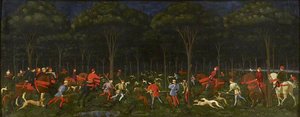
Thermopylae kõrge resolutsiooniga pildid
Avalik omanik: kunstnik suri aastal 1888.
Edward Lear, Thermopylae (1872), The Ashmolean Museum of Art And Archaeology. Avalik omaniklik õigus
Küsimused teemal Thermopylae – vastused
Kust saan näha originaalteost „Thermopylae“, autor Edward Lear?
Teos „Thermopylae“, autor Edward Lear on näitustel The Ashmolean Museum of Art And Archaeology, Oxford, Üleriikkonauk. Muuseumi keterangane viitab originaalteosele, mitte reproduktsioonidele.
Mis on teose „Thermopylae“, autor Edward Lear loomisaeg?
Teos "Thermopylae" on pärit aastast 1872. See ajastu aitab mõista teost Edward Lear karjääri ja selle ajastu kontekstis.
Mis on originaalteose „Thermopylae“, autor Edward Lear mõõdud?
Teose "Thermopylae" originaalmõõdud on 34 x 54 cm. Algdimensioonid on kasulik viide reproduktsiooni suuruse valimisel.
Millised teemad teoses „Thermopylae“, autor Edward Lear esile tõelve?
Teose "Thermopylae" teemad on landscape, mountains, nature, people, vista, outdoors.
Kas teos „Thermopylae“, autor Edward Lear kuulub avalikku omandisse?
Teos „Thermopylae“, autor Edward Lear on lubaõiguslikult avalikus õiguses – selle autoriõigud onหมดunud. See staatus reguleerib teose pildi reprodüseerimise võimalusi.
Kes on teose "Thermopylae" kunstnik?
Teose "Thermopylae" looja on Edward Lear. Teos on kataloogitud nime Edward Lear all.
Millist etap Edward Lear loomingus teos "Thermopylae" esindab?
Teos "Thermopylae" esindab kunstniku Edward Lear loovperioodi Mature Period.
Mis vanuses loos Edward Lear teose "Thermopylae"?
Edward Lear loobus teose "Thermopylae" 60 aasta vanuses. Kunstnik on sündinud aastal 1812 ning teos on dateeritud 1872.
Miks on teose "Thermopylae" autoriõiguste staatus selline, nagu see on?
Edward Lear teos "Thermopylae" on avalikus õiguses – selle autoriõigud onหมดunud. Autoriõiguse kaitseajad arvutatakse alates kunstniku surmaõigustest ning Edward Lear suri aastal 1888.
Kunstnikust, Edward Lear

1812–1888, Suurbritannia
Edward Lear
Edward Lear (1812–1888): The Poet of Nonsense Edward Lear, a name synonymous with whimsical verse and delightfully peculiar illustrations, was far more than the purveyor of limericks and fantastical creatures that often define his legacy. Born in 1812 in Holloway, Middlesex, England, into a family teeming with twenty-one children, Lear’s early life was marked by both financial instability and a burgeoning artistic talent. His father, Jeremiah Lear, faced hardship after the Napoleonic Wars, forcing young Edward to begin earning a living through his drawings at the tender age of fifteen. This necessity, however, ignited a lifelong passion that would see him traverse continents and capture the world in vibrant hues and playful lines.
Ka Edward Lear teosed
 Cogoleto, Italy
 Crescenza
 Blue And Yellow Macaw
 View of Taormina in Sicily with Etna in the distance1852
Essee teemadel Thermopylae
 Whispers of Antiquity: The Ethereal Beauty of Ruins in Impressionist ArtStep into a world where time meets light. Explore the enchanting beauty of ruins in Impressionist masterpieces. At OriginalUniqueArt.com, w…
 25 Masterpieces of Giorgio de Chirico: Exploring Metaphysical ArtStep into the haunting dreamscapes of Giorgio de Chirico. Explore 25 iconic Metaphysical paintings, from eerie shadows to surrealist enigma…
 James Abbott McNeill Whistler: 25 meistriteost kunstikollektsioonis | OriginalUniqueArt.comAvastage James Abbott McNeill Whistler'i 25 võrratut meistriteost! Sukelduge esteetilisse kunstimaailma, õppige tema maalitehnikatest ja le…