American Realism
Intermission (small) (Edward Hopper)
Edward Hopper (1882–1967) on loonud teose Intermission (small). See kuulub American Realism suuntrime. Teos on valmistatud materjalist Acrylic On Canvas.
- Acrylic On Canvas

 Eelvaade

 Käsitsi maalatud õlimaalatsioon
 Saada
 Jaga
 Teave teose kohta


 Laadi alla
 Sarnased teosed
 Röntgenuuring
 Slaidietendus
 KÜSIMUSED JA VASTUSID

 Statistika
Intermission (small) lühidalt
- Pealkiri
- Intermission (small)
- Kunstnik
- Edward Hopper (1882–1967)
- Kunstnik on sündinud
- Ülänyyak, USA
- Tehnika
- Acrylic On Canvas
- Suunad
- American Realism
- Teema
- theater, isolation, loneliness, woman, interior, light
Mida Intermission (small) kujutab?
Edward Hopper’s Solitary Stage: Unpacking “Intermission”
Edward Hopper's "Intermission" (1963) isn’t merely a painting; it’s a distilled moment of American solitude, a poignant tableau captured with the artist’s signature mastery of light and shadow. Completed in the twilight years of his career, this work represents a culmination of Hopper’s lifelong fascination with theater and urban life—a subject that consistently explored themes of isolation, detachment, and the quiet dramas unfolding within everyday spaces. The painting depicts a woman seated alone in an empty theater, bathed in the cool, diffused light of the house lights, suggesting a pause between acts, a moment of reflection before returning to the performance. It’s a scene both familiar and profoundly unsettling, instantly transporting the viewer into Hopper's carefully constructed world of understated emotion. The deliberate simplicity of the composition—the woman, the seats, the darkened stage—amplifies the sense of loneliness, creating an atmosphere that lingers long after the eye has moved on.A Masterclass in Realist Light and Composition
Hopper’s technical skill is immediately apparent in "Intermission." He employs a restrained palette – primarily blues, greens, and browns – to create a mood of quiet melancholy. The use of light is particularly striking; it doesn't illuminate the scene with warmth or vibrancy but rather casts long shadows, emphasizing the emptiness and highlighting the woman’s isolation. Notice how Hopper uses directional lighting to sculpt the space, drawing attention to the architectural details of the theater while simultaneously obscuring any sense of depth or perspective. The composition itself is carefully balanced—the woman occupies a central position, yet she feels utterly detached from her surroundings. The diagonal lines created by the rows of seats and the stage wall subtly guide the viewer’s eye through the scene, reinforcing the feeling of being an observer rather than a participant. The painting's dimensions – 40 x 60 inches – contribute to its impact, allowing Hopper to render intricate details with precision while maintaining a sense of scale that anchors the subject within a recognizable space.Symbolism and the American Psyche
“Intermission” resonates deeply because it taps into a fundamental aspect of the American experience: the feeling of being alone in a crowd. The theater, traditionally a place of communal engagement, becomes here a stage for individual contemplation. Hopper’s choice to depict a woman—a figure often associated with domesticity and social roles—in this solitary state is particularly significant. It speaks to the changing role of women in American society during his time, as well as the broader anxieties about identity and belonging that characterized the mid-20th century. The closed curtain and darkened exit door further reinforce the sense of being trapped or suspended in a moment of uncertainty. Some art historians interpret this image as reflecting Hopper’s own feelings of alienation and detachment, while others see it as a more generalized representation of the human condition—a recognition that even within moments of shared experience, individuals can remain profoundly isolated.The Legacy of Hopper's Theater Series
“Intermission” is part of a larger series of paintings by Hopper focused on theaters and cinemas, reflecting his lifelong passion for these spaces. These works aren’t simply depictions of theatrical settings; they are explorations of the human psyche—portraying individuals grappling with loneliness, boredom, and the unspoken dramas of everyday life. Hopper meticulously studied theater productions, taking notes and sketching scenes, imbuing his paintings with a deep understanding of stagecraft and performance. "Intermission" stands as one of the most poignant examples of this series, capturing the essence of Hopper’s unique vision—a world where light and shadow reveal not just physical spaces but also the hidden emotions within the human heart. Its enduring appeal lies in its ability to evoke a sense of familiarity and recognition, reminding us that even in the midst of bustling urban life, moments of quiet solitude can be profoundly moving.Bringing “Intermission” Home: A High-Quality Reproduction
OriginalUniqueArt offers meticulously hand-painted reproductions of Edward Hopper’s "Intermission," allowing you to experience this iconic masterpiece in stunning detail and vibrant color. Our skilled artists replicate Hopper's masterful use of light, shadow, and composition with the utmost care, ensuring that your reproduction captures the essence of the original painting. Whether for a living room wall or a study, a OriginalUniqueArt reproduction of “Intermission” will serve as a timeless reminder of Hopper’s profound insights into the human condition—a testament to the beauty and melancholy of modern American life. Explore our collection today and bring this evocative image into your space.Intermission (small) kõrge resolutsiooniga pildid
Protected by copyright: these files are for personal reference, not a licence to republish.
Edward Hopper, Intermission (small).
Küsimused teemal Intermission (small) – vastused
Millist tehnikat teose „Intermission (small)“, autor Edward Hopper valmistamisel kasutati?
Teose „Intermission (small)“, autor Edward Hopper materjal on Acrylic On Canvas. Reproduktsioonide eesmärk on jälitada selle tehnika välimust.
Mida „Intermission (small)“, autor Edward Hopper kujutab?
„Intermission (small)“, autor Edward Hopper kujutab: theater, isolation, loneliness, woman, interior, light, shadow, modernity.
Kas teose „Intermission (small)“, autor Edward Hopper pilt on vabalt reproduseeritav?
Tegijateõiguse osas on teos "Intermission (small)" kuuluv klassifikatsiooni alla: on endiselt autoriõiguse all under kaitse.
Kes on teose "Intermission (small)" looja?
Teose "Intermission (small)" autoriks on mõeldud Edward Hopper.
Millissele stiilile kuulub "Intermission (small)"?
Teosest „Intermission (small)“, autor Edward Hopper tuntud kunstisuuna on American Realism. See klassifikatsioon aitab teost paigutada sarnaste kunstnike ja teoste hulka.
Kuhu Edward Hopper loomingulisse perioodi kuulub teos "Intermission (small)"?
Teos "Intermission (small)" esindab kunstniku Edward Hopper loovperioodi Late Period.
Miks on teose "Intermission (small)" autoriõiguste staatus selline, nagu see on?
Edward Hopper teos "Intermission (small)" on on endiselt autoriõiguse all under kaitse. Autoriõiguse kaitseajad arvutatakse alates kunstniku surmaõigustest ning Edward Hopper suri aastal 1967.
Kust koht teoses "Intermission (small)" on Edward Hopper loomingus?
"Intermission (small)" kuulub Edward Hopper American Realism perioodi teosetele, mille tuntud teemad hõlmavad hopper’s realism, urban isolation, theater as metaphor for life, american modernism, solitude themes, late period introspective scenes, exploring human experience quietly.
Kuidas teose "Intermission (small)" motiiv seobub Edward Hopper tavalistega teemadega?
Edward Hopper dokumenteeritud teemade — hopper’s realism, urban isolation, theater as metaphor for life, american modernism, solitude themes, late period introspective scenes, exploring human experience quietly — seas paneb teos "Intermission (small)" erilist tähelepanu teemadel theater, isolation, loneliness, woman, interior, light, shadow, modernity.
Kunstnikust, Edward Hopper
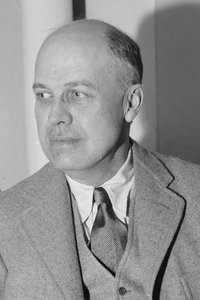
1882–1967, USA
Edward Hopper
Ameerika stseeni vaikus Edward Hopper sündis Üles-Nyackis, Ühendusriikides. Tema varajased aastad pöödugi maailma vaatlemisele kindlaga silmaga, harjutus, mis sai alguse täpselt kuupäevastatud ja allakirjatud lastepõhja joonistustele. Kuigi tema vanemad soovisid talle praktilistumaan komantsiaalilist illustratööri teed, jäi tema fookus fine arts-i ehk eskunstide juurde. Ta õppis New Yorki Kunstikoolis William Merritt Chasei ja Robert Henri juures.
Ka Edward Hopper teosed
 Nighthawks, The Art Institute of Chicago, Chica1942
 Automat (väike)
 Maja raudtee ääres1925
 New York Movie1939
Essee teemadel Intermission (small)
 American artworks of the 1940sIconic 1940s American works by Edward Hopper and Dorothea Lange. Explore the full collection online at OriginalUniqueArt.com.
 Mastering Solitude: The Top 25 Iconic Artworks by Edward HopperStep into the quiet world of American Realism with our curated guide to the top 25 Edward Hopper artworks. Explore the light, shadow, and s…
 Maastikufotost Impressioonistlik Unetus: Individuaalse Ilma Edasiandmine Kaasaegses InterjöörisMuutke oma fotod ajatuks kunstiteoseks OriginalUniqueArtis! Käsitööna valminud õlimaalid, impressionistlik stiil ja personaalne lähenemine.…