American Realism
Excursion into Philosophy (Edward Hopper)
Edward Hopper (1882–1967) on loonud teose Excursion into Philosophy. See kuulub American Realism suuntrime. Teos on valmistatud materjalist Oil On Canvas.
- Oil On Canvas

 Eelvaade

 Käsitsi maalatud õlimaalatsioon
 Saada
 Jaga
 Juhend


 Laadi alla
 Sarnased teosed
 Röntgenuuring
 Slaidietendus
 KÜSIMUSED JA VASTUSID

 Statistika
Excursion into Philosophy: põhitooded
- Pealkiri
- Excursion into Philosophy
- Kunstnik
- Edward Hopper (1882–1967)
- Kunstnik on sündinud
- Ülänyyak, USA
- Tehnika
- Oil On Canvas
- Suunad
- American Realism
- Aeglkond
- Modern
- Teema
- solitude, isolation, reflection, urban scene, interior, light & shadow
Mida Excursion into Philosophy kujutab?
A Quiet Drama: Unveiling Edward Hopper’s “Excursion into Philosophy”
Edward Hopper's "Excursion into Philosophy" is a profoundly evocative work that encapsulates the core tenets of American Realism, offering a glimpse into the introspective lives of ordinary individuals. Painted during a period of rapid social and cultural change in America, this piece transcends mere representation to become a meditation on solitude, contemplation, and the passage of time. Hopper masterfully captures a moment suspended between action and reflection, inviting viewers to project their own narratives onto the scene.Decoding the Scene: Subject & Composition
The painting depicts an intimate interior – a sparsely furnished room dominated by a bed and a window allowing soft, natural light to flood the space. A man sits on the edge of the bed, his gaze directed towards a woman lying prone on the floor nearby. A small table between them holds a book, suggesting intellectual engagement or perhaps a shared moment of quiet study. The composition is deliberately restrained; Hopper eschews dramatic gestures in favor of subtle positioning and nuanced body language. Two figures are partially visible in the background, adding to the sense of enclosure and hinting at lives unfolding beyond the immediate frame. The overall impression is one of stillness and psychological tension.Technique & Style: A Masterclass in Realism
Hopper’s technical prowess shines through in his meticulous rendering of light and shadow. Executed in oil, the painting boasts a rich texture and depth, achieved through careful layering and blending of pigments. His use of color is equally deliberate – a muted palette of blues, browns, and grays creates a somber yet serene atmosphere. The flattened perspective contributes to the sense of theatricality, almost as if we are observing a scene unfolding on a stage. This stylistic choice emphasizes the emotional weight of the moment rather than strict adherence to realistic spatial representation. Hopper’s dedication to realism wasn't about photographic accuracy; it was about capturing the essence of modern American life with honesty and psychological insight.Symbolism & Interpretation: Layers of Meaning
Several symbolic elements enrich the painting’s narrative complexity. The clock prominently displayed above the man serves as a potent reminder of time's relentless march, adding a philosophical dimension to the scene. Is it a symbol of lost opportunities, impending change, or simply the inevitable flow of existence? The book on the table suggests intellectual pursuit, but its closed position could imply stagnation or unresolved questions. The figures themselves are imbued with symbolic weight – their postures and expressions hinting at unspoken emotions and complex relationships. The expansive view visible through the window offers a contrasting sense of freedom and possibility, perhaps representing a longing for escape from the confines of the room—and potentially, from the constraints of life itself.Historical Context & Hopper’s Legacy
“Excursion into Philosophy” reflects the anxieties and uncertainties of post-World War I America. The painting emerged during a period marked by rapid urbanization, social upheaval, and a growing sense of alienation. Hopper's work resonated with audiences because it captured these feelings with unflinching honesty. He became one of the most important chroniclers of 20th-century American life, influencing generations of artists with his distinctive style and thematic concerns. His paintings continue to be celebrated for their emotional depth, technical brilliance, and enduring relevance.Emotional Resonance & Collecting Considerations
“Excursion into Philosophy” evokes a range of emotions – melancholy, introspection, quiet desperation, and perhaps even a glimmer of hope. It’s a painting that stays with the viewer long after they've turned away, prompting contemplation on the human condition. For collectors and interior designers, a reproduction of this work offers a sophisticated touch of American Realism, adding depth and intellectual weight to any space.- The muted color palette complements a variety of décor styles.
- The painting’s introspective mood creates a calming and contemplative atmosphere.
- Its iconic status ensures lasting artistic value.
Excursion into Philosophy kõrgel resolutsioonil

Autoriõigustega kaitstud: pilt on esitatud ainult näidisena.
Veel erinevaid mõõdu, u recorte ja allviiteid →Edward Hopper, Excursion into Philosophy.
Küsimused teemal Excursion into Philosophy
Millises materjalis on teos „Excursion into Philosophy“, autor Edward Hopper valmistatud?
Teose "Excursion into Philosophy" loomisel kasutas Edward Hopper Oil On Canvas tehnikat. See tehnika määrab originaalteose materjalilise olemuse.
Millised teemad teoses „Excursion into Philosophy“, autor Edward Hopper esile tõelve?
Teemad, mis teoses „Excursion into Philosophy“, autor Edward Hopper esinevad, hõlmavad solitude, isolation, reflection, urban scene, interior, light & shadow, american life, philosophical. Koos need kokkuvõtavad teose sisu.
Kas teos "Excursion into Philosophy" on ilma autoriõigusteta?
Autoriõiguse teave teose „Excursion into Philosophy“, autor Edward Hopper kohta: teos kuulub luba ala on endiselt autoriõiguse all under kaitse. See määrab, kas kujundist on lubatud vabadelt reproduktsioone teha.
Kes on teose "Excursion into Philosophy" kunstnik?
Teose "Excursion into Philosophy" looja on Edward Hopper. Teos on kataloogitud nime Edward Hopper all.
Millisse kunstisuuna kuulub teos „Excursion into Philosophy“, autor Edward Hopper?
Teosest „Excursion into Philosophy“, autor Edward Hopper tuntud kunstisuuna on American Realism. See klassifikatsioon aitab teost paigutada sarnaste kunstnike ja teoste hulka.
Millissele perioodile Edward Hopper karjäärist kuulub teos "Excursion into Philosophy"?
Teos "Excursion into Philosophy" kuulub Edward Hopper loomingulise karjääri perioodi Mature Period. See klassifikatsioon seostab teose kunstniku loovliku arenguga.
Mis selgitab teose „Excursion into Philosophy“, autor Edward Hopper autoriõiguste olukorda?
Edward Hopper teos "Excursion into Philosophy" on on endiselt autoriõiguse all under kaitse. Autoriõiguse kaitseajad arvutatakse alates kunstniku surmaõigustest ning Edward Hopper suri aastal 1967.
Milliseid ühiseid elemente jagab teos "Excursion into Philosophy" Edward Hopper muud loominguga?
Edward Hopper loomingus on teos "Excursion into Philosophy", mis kuulub American Realism stiili ja kordub teemad nagu captures quiet, introspective moments.
Kust kohalt Edward Hopper korduvad teemad teoses "Excursion into Philosophy" ilmumisel?
Edward Hopper dokumenteeritud teemade — captures quiet, introspective moments — seas paneb teos "Excursion into Philosophy" erilist tähelepanu teemadel solitude, isolation, reflection, urban scene, interior, light & shadow, american life, philosophical.
Kunstnikust, Edward Hopper
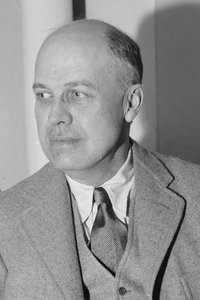
1882–1967, USA
Edward Hopper
Ameerika stseeni vaikus Edward Hopper sündis Üles-Nyackis, Ühendusriikides. Tema varajased aastad pöödugi maailma vaatlemisele kindlaga silmaga, harjutus, mis sai alguse täpselt kuupäevastatud ja allakirjatud lastepõhja joonistustele. Kuigi tema vanemad soovisid talle praktilistumaan komantsiaalilist illustratööri teed, jäi tema fookus fine arts-i ehk eskunstide juurde. Ta õppis New Yorki Kunstikoolis William Merritt Chasei ja Robert Henri juures.
Ka Edward Hopper teosed
 Nighthawks, The Art Institute of Chicago, Chica1942
 Automat (väike)
 Maja raudtee ääres1925
 New York Movie1939
Essee teemadel Excursion into Philosophy
 Mastering Solitude: The Top 25 Iconic Artworks by Edward HopperStep into the quiet world of American Realism with our curated guide to the top 25 Edward Hopper artworks. Explore the light, shadow, and s…
 American contemporary realist paintersAmerican contemporary realist painters like Edward Hopper define modern life. Explore the full collection online at OriginalUniqueArt.com.
 Time's Relentless March: Decoding the Symbolism of Clocks and Hourglasses in Vanitas ArtExplore the profound symbolism of clocks and hourglasses in Dutch Vanitas art. Decode these Baroque masterpieces with our expert guide.