Impressionism · 1883
Cobeas (Claude Monet, 1883)
Claude Monet (1840–1926) on loonud teose Cobeas. See on pärinev 1883 aastast. See kuulub Impressionism suuntrime. Teos on valmistatud materjalist Oil On Canvas.
- 1883
- Oil On Canvas

 Eelvaade

 Käsitsi maalatud õlimaalatsioon
 Saada
 Jaga
 Teave teose kohta


 Laadi alla
 Sarnased teosed
 Röntgenuuring
 Slaidietendus
 KÜSIMUSED JA VASTUSID

 Statistika
Cobeas lühidalt
- Pealkiri
- Cobeas
- Kunstnik
- Claude Monet (1840–1926)
- Kunstnik on sündinud
- Pariis, Prantsusmaa
- Kuupäev
- 1883
- Tehnika
- Oil On Canvas
- Suunad
- Impressionism
- Aeglkond
- 19th Century
- Teema
- floral impressionism, garden scene art, monet landscape, vibrant colors, nature painting, light and color
Mida Cobeas kujutab?
A Symphony of Blossoms: Exploring Monet’s “Cobeas”
Claude Monet, a pivotal figure in the development of Impressionism, gifted the world with paintings that captured not just what he *saw*, but how light and atmosphere transformed his perceptions. Created in 1883, "Cobeas" is a captivating example of this artistic philosophy – a vibrant celebration of nature’s fleeting beauty rendered with characteristic looseness and brilliance. This artwork isn't merely a depiction of flowering vines; it’s an immersive experience of a sun-drenched garden, inviting the viewer to step into a world of color and light.Subject & Composition: A Garden in Full Bloom
“Cobeas” focuses on the cascading beauty of climbing flowers – likely cobaea vines, known for their bell-shaped blossoms – against a warm, golden backdrop. The composition is dynamically vertical, emphasizing the upward reach and exuberant growth of the plant. Rather than a meticulously detailed botanical study, Monet presents an *impression* of a garden scene. A sense of depth is suggested not through strict perspective, but through layering of color and form. The eye is drawn upwards along the vines, creating a feeling of movement and vitality.Impressionistic Technique: Capturing Fleeting Light
Monet’s mastery lies in his revolutionary technique. He eschewed traditional blending methods, instead employing short, broken brushstrokes to build up layers of color. This approach allows the colors to mix optically in the viewer's eye, creating a shimmering, vibrant effect that mimics the way light plays on natural forms. The use of complementary colors – deep purples and reds against yellows and greens – heightens the visual impact and adds to the painting’s overall luminosity. The texture is palpable; you can almost feel the warmth of the sun and the gentle breeze rustling through the leaves.Historical Context & Artistic Innovation
By 1883, Monet was firmly established as a leading figure in the Impressionist movement. He had already challenged academic conventions with his *plein air* painting – working outdoors directly from nature – and his focus on capturing momentary effects of light and color. “Cobeas” exemplifies this commitment. It’s a departure from the historical or mythological subjects favored by earlier artists, instead celebrating the beauty of everyday life and the natural world. This shift in subject matter was radical for its time and paved the way for modern art.Symbolism & Emotional Resonance
While not overtly symbolic, “Cobeas” evokes a sense of joy, abundance, and the ephemeral nature of beauty. The flowering vines represent growth, vitality, and the cyclical rhythms of life. The painting’s overall warmth and luminosity create a feeling of optimism and tranquility. It's an invitation to pause, appreciate the present moment, and find solace in the beauty that surrounds us. It is a testament to Monet’s ability to translate his personal experience of nature into a universally resonant emotional landscape.Bringing “Cobeas” Into Your Space
- Explore our collection of Claude Monet's paintings.
- Discover more about the fascinating world of Impressionism and its key artists.
- Learn about The Art of Painting Styles.
Cobeas kõrge resolutsiooniga pildid
Avalik omanik: kunstnik suri aastal 1926.
Claude Monet, Cobeas (1883). Avalik omaniklik õigus
Küsimused teemal Cobeas – vastused
Millal loodi teos "Cobeas"?
Teos "Cobeas" on pärit aastast 1883. See ajastu aitab mõista teost Claude Monet karjääri ja selle ajastu kontekstis.
Millist tehnikat teose „Cobeas“, autor Claude Monet valmistamisel kasutati?
Teose "Cobeas" loomisel kasutas Claude Monet Oil On Canvas tehnikat. See tehnika määrab originaalteose materjalilise olemuse.
Mida „Cobeas“, autor Claude Monet kujutab?
„Cobeas“, autor Claude Monet kujutab: floral impressionism, garden scene art, monet landscape, vibrant colors, nature painting, light and color, french impressionism.
Kas teos „Cobeas“, autor Claude Monet kuulub avalikku omandisse?
Autoriõiguse teave teose „Cobeas“, autor Claude Monet kohta: teos kuulub luba ala avalikus õiguses – selle autoriõigud onหมดunud. See määrab, kas kujundist on lubatud vabadelt reproduktsioone teha.
Millisele kunstnikule on teos "Cobeas" atribuutseeritud?
Teose "Cobeas" loovija on Claude Monet. Selle lehe info kirjeldab Claude Monet algteost.
Millisse kunstisuuna kuulub teos „Cobeas“, autor Claude Monet?
Teosest „Cobeas“, autor Claude Monet tuntud kunstisuuna on Impressionism. See klassifikatsioon aitab teost paigutada sarnaste kunstnike ja teoste hulka.
Kuhu Claude Monet loomingulisse perioodi kuulub teos "Cobeas"?
Claude Monet loomingus kuulub teos "Cobeas" perioodi Mature Period. See etap aitab seda võrdida kunstniku teiste töödega.
Mis vanuses loos Claude Monet teose "Cobeas"?
Claude Monet loobus teose "Cobeas" 43 aasta vanuses. Kunstnik on sündinud aastal 1840 ning teos on dateeritud 1883.
Mis selgitab teose „Cobeas“, autor Claude Monet autoriõiguste olukorda?
Teose "Cobeas" autoriõiguste staatus - avalikus õiguses – selle autoriõigud onหมดunud - tuleneb kunstniku surma aastast 1926.
Kunstnikust, Claude Monet
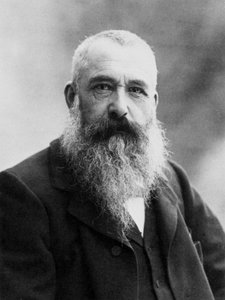
1840–1926, Prantsusmaa
Claude Monet
Varane elu, pere ja õpe Sündides Prantsusmaal Pariisis 14. novembril 1840, astus Claude Monet maailma, kus ootused ja teed olid otsustavalt lahkunud. Kuigi tema isa, Claude-Adolphe Monet, lootes poja tulevikuks stabiilsemat professionaalset karjääri, pakkus tema ema, Louise-Justine Aubrée Monet, vaikset tugi poja kasvavatele loomingulistele kaldutele. Lõpuks asustas pere Normandiassa, Le Havre’i, kus rannikuäärne atmosfäär jäi noore poja hinge igeks.
Ka Claude Monet teosed
 Veepuudused (või Nympheas)1916
 Impression soleil levant1872
 Heinakülgused: Lumeefekti1891
 Naeratav Käik. Naine ja Varjud1875
Essee teemadel Cobeas
 Claude Monet’s Giverny: The Living Canvas of Impressionist Light and WaterExplore the luminous world of Monet's Giverny through expert historical insight. Step into his living canvas today.
 French artworks of the 1880sFrench Impressionist masterpieces by Claude Monet, Pierre-Auguste Renoir, and Georges Seurat. Find museum-quality reproductions on Original…
 Capturing Fleeting Moments: Light, Color & Emotion in Impressionistic ArtExplore the captivating world of Impressionism! Discover the techniques, artists (Monet, Renoir, Degas), and enduring legacy of this revolu…