Baroque · 1611
Still Life with Nuts, Candy and Flowers (Clara Peeters, 1611)
Clara Peeters (1587–1657) on loonud teose Still Life with Nuts, Candy and Flowers. See on pärinev 1611 aastast. See kuulub Baroque suuntrime. See on valmistatud materjalist Oil On Panel. Teos on säilitatud Museo del Prado kogamuses Madrid, Hispaania. Mõõtmed on 52 × 73 cm.
- 1611
- Oil On Panel
- 52 × 73 cm
- Museo del Prado, Madrid

 Eelvaade

 Käsitsi maalatud õlimaalatsioon
 Saada
 Jaga
 Teosest infokaart


 Laadi alla
 Sarnased teosed
 Röntgenuuring
 Slaidietendus
 KÜSIMUSED JA VASTUSID

 Statistika
Still Life with Nuts, Candy and Flowers lühidalt
- Pealkiri
- Still Life with Nuts, Candy and Flowers
- Kunstnik
- Clara Peeters (1587–1657)
- Kunstniku sünnukoht
- Antwerpen, Belgia
- Kuupäev
- 1611
- Materjalid
- Oil On Panel
- Mõõtmed
- 52 × 73 cm
- Kus seda näeb
- Museo del Prado, Madrid, Hispaania
- Liikumine
- Baroque
- Aeglkond
- Early Modern
- Teema
- food, flowers, fruit, bowl, candlelight, luxury
Mida Still Life with Nuts, Candy and Flowers kujutab?
A Sensory Feast: The Opulence of Clara Peeters
In the quiet intimacy of a seventeenth-century tabletop, Clara Peeters invites us into a world where the mundane is elevated to the magnificent. Still Life with Nuts, Candy and Flowers is not merely a depiction of food; it is a masterclass in sensory storytelling. As one gazes upon this 1611 masterpiece, the eye is immediately drawn to the lush, tactile abundance of the arrangement. Polished bowls overflow with an assortment of nuts, while delicate candies and vibrant fruits—apples and oranges—rest alongside elegant glassware. There is a profound sense of weight and texture here; one can almost feel the rough shell of a walnut against the smooth, cool surface of a silver platter or the delicate, ephemeral softness of a flower petal. Peeters captures a moment of suspended animation, where the sweetness of life is presented in all its colorful, decadent glory.
The painting serves as a breathtaking window into the Baroque era, a period defined by its dramatic flair and intense realism. Moving away from the rigid, geometric constraints of earlier Mannerist traditions, Peeters embraces an asymmetrical composition that feels organic and alive. This deliberate lack of strict symmetry creates a dynamic energy, guiding the viewer’s gaze in a wandering, exploratory path across the table. The interplay of light and shadow—the hallmark of the Baroque style—is utilized with surgical precision. Light dances across the sheen of polished metal and the translucent skin of fruit, while deep, velvety shadows provide a sense of depth and mystery, grounding the vibrant colors in a space that feels both tangible and atmospheric.
Technique and the Art of Observation
To behold this work is to witness the extraordinary technical prowess of a true pioneer. Executed with oil on panel, Peeters employed sophisticated glazing techniques to build layers of luminous color, allowing light to penetrate the paint and reflect from within, much like the natural glow of ripe fruit. Her ability to render different materials—the glint of a wine glass, the matte surface of a nut, the organic texture of a potted plant—demonstrates an obsessive devotion to verisimilitude. Every brushstroke is subservient to the goal of absolute realism, making this piece a triumph of observational skill. For the collector or interior designer, such a work offers more than just decoration; it provides a focal point of profound complexity that rewards prolonged contemplation.
Beyond its physical beauty, the painting whispers of deeper, more contemplative themes. In the tradition of the Dutch ontbijtjes (breakfast pieces), such arrangements often functioned as subtle meditations on the fleeting nature of pleasure and the passage of time. The abundance of the feast stands in a delicate balance with the inherent fragility of the flowers and the perishable nature of the food. This tension between abundance and decay creates an emotional resonance that transcends the centuries, offering a poignant reminder to cherish the sensory richness of the present moment. It is this marriage of exquisite craftsmanship and soulful depth that makes Peeters’ vision an enduring inspiration for those seeking to bring a sense of history, elegance, and narrative weight into a contemporary space.
Kumba muuseumis asub teos Still Life with Nuts, Candy and Flowers?
Museo del Prado
Madrid, Hispaania
Madridi Museo del Prado: Kunstniku Hingest Ajatu Ilu Sisenedes Madridi Museo Nacional del Pradosse, tunned end olevat astunud ajas tagasi – elavas kroonikas, mis peegeldab Hispaania kunsti arengut ja kuningate toetust. See ei ole pelgalt meistriteoste hoiukohus, vaid uhke palee, mille seinad kajastavad Velázquezi, Goyaga, El Grecosa ja paljude teiste pintslilööke. Algselt Ferdinand VII pool loodud "Looduskabinetina" muutis julge otsus tähistada Hispaania kunstipärandit sellest ambitsioonikast projektist üheks maailma mainekamaks muuseumiks – kohaks, kus mineviku hiilguse ja tänapäeva akadeemilise teadlikkuse elav pulsatsioon sulavad kokku.


Still Life with Nuts, Candy and Flowers kõrge resolutsiooniga pildid

Clara Peeters, Still Life with Nuts, Candy and Flowers (1611).
Clara Peeters (1587–1657), Still Life with Nuts, Candy and Flowers, 1611, oil on panel, Museo del Prado, Madrid, Hispaania. Avalik omaniklik õigus Pilt: OriginalUniqueArt.com.
Küsimused teemal Still Life with Nuts, Candy and Flowers – vastused
Millises muuseumis on säilitatud originaal "Still Life with Nuts, Candy and Flowers"?
Teos „Still Life with Nuts, Candy and Flowers“, autor Clara Peeters on näitustel Museo del Prado, Madrid, Hispaania. Muuseumi keterangane viitab originaalteosele, mitte reproduktsioonidele.
Millal loodi teos "Still Life with Nuts, Candy and Flowers"?
Teos „Still Life with Nuts, Candy and Flowers“, autor Clara Peeters loodi aastal 1611.
Millises materjalis on teos „Still Life with Nuts, Candy and Flowers“, autor Clara Peeters valmistatud?
Teose „Still Life with Nuts, Candy and Flowers“, autor Clara Peeters materjal on Oil On Panel. Reproduktsioonide eesmärk on jälitada selle tehnika välimust.
Mis on teose „Still Life with Nuts, Candy and Flowers“, autor Clara Peeters tegelik suurus?
Teose "Still Life with Nuts, Candy and Flowers" originaalmõõdud on 52 x 73 cm. Algdimensioonid on kasulik viide reproduktsiooni suuruse valimisel.
Mida „Still Life with Nuts, Candy and Flowers“, autor Clara Peeters kujutab?
Teemad, mis teoses „Still Life with Nuts, Candy and Flowers“, autor Clara Peeters esinevad, hõlmavad food, flowers, fruit, bowl, candlelight, luxury, texture, composition. Koos need kokkuvõtavad teose sisu.
Kas teos "Still Life with Nuts, Candy and Flowers" on ilma autoriõigusteta?
Autoriõiguse teave teose „Still Life with Nuts, Candy and Flowers“, autor Clara Peeters kohta: teos kuulub luba ala avalik && copyright on aegunud. See määrab, kas kujundist on lubatud vabadelt reproduktsioone teha.
Millisele kunstnikule on teos "Still Life with Nuts, Candy and Flowers" atribuutseeritud?
Teose "Still Life with Nuts, Candy and Flowers" looja on Clara Peeters. Teos on kataloogitud nime Clara Peeters all.
Millissele stiilile kuulub "Still Life with Nuts, Candy and Flowers"?
Teosest „Still Life with Nuts, Candy and Flowers“, autor Clara Peeters tuntud kunstisuuna on Baroque. See klassifikatsioon aitab teost paigutada sarnaste kunstnike ja teoste hulka.
Kuhu Clara Peeters loomingulisse perioodi kuulub teos "Still Life with Nuts, Candy and Flowers"?
Teos "Still Life with Nuts, Candy and Flowers" esindab kunstniku Clara Peeters loovperioodi Mature Period.
Kunstnik Clara Peeters kohta

1587–1657, Belgia
Clara Peeters
Clara Peeters: Hollandi stillelife'i pioneer Clara Peeters (1594–pärast 1657) seisab seventeenthsadendale sajandile فلمersiz (Flemish) kunstile kui eristuv nägu – üks varaksinumaid tunnustatud naisautorid, kes tegutsis kasvavas Hollandi kuldajajal. Vaatamata sotsiaalsetele piirangutele, mis piirasid naiste ligipääsu kunstipõhjalikule koolitusele ja laugade liikmeskusele, lõi Peeters endale märkimistav karjääri, jättes endast maha teosekog, mida iseloomustavad ääretu täpsus, innovatiivsed kompositsioonistrateegiad ning kirelik huvi igapäevase elu tekstuuride ja nüansside – eriti toidu – tabamisele. Tema pärand jätkub inspireerimas nii teadlasi kui ka kunstnereid, kes püüavad lahendada küsimusi tema identiteedi, koolituse ja tema loomingulise väljundit olemuse vastu. Varajane elu ja pere Koolitus ja kunstiline stiil Olulised teosed ja loomingulise kogumuse la잡us Mõju ja pärand Jätkuv debatt: autorlus ja autentilisus Varajane elu ja pere Sündinud Antwerpis umbes 1587.
Ka Clara Peeters teosed
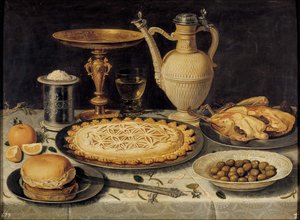 Table with Orange, Olives and Pie1611
 Still Life with Cheeses, Artichoke, and Cherries1625
 Madonna And Child Within A Floral Wreath1621
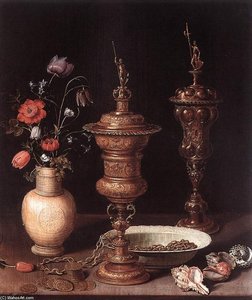 Still-Life with Flowers and Goblets1612

Teemad teemal Still Life with Nuts, Candy and Flowers
 Luminous Vessels: The Transcendent Art of the Bottle in Impressionist Still LifeExplore how Impressionist masters captured light through glass and bottles. Discover the magic of light and texture today.
 18th century Dutch paintersJan van Huysum completed Flowers and Fruit in 1723. Compare his botanical precision with the maritime works of Willem van de Velde the Youn…
 Master of Abundance: The Top 25 Essential Artworks by Frans SnydersBorn in 1579, Snyders trained under Pieter Brueghel the Younger. Count the twenty-five works that define his Baroque mastery of texture and…