Rococo · 1764
Soap Bubbles (Charles Amédée Philippe Van Loo, 1764)
Charles Amédée Philippe Van Loo (1719–1795) on loonud teose Soap Bubbles. See on pärinev 1764 aastast. See kuulub Rococo suuntrime. Teos on valmistatud materjalist Oil On Canvas. Teos asub National Gallery of Art kogamuses Washington, USA. Mõõdud on 89 × 89 cm.
- 1764
- Oil On Canvas
- 89 × 89 cm
- National Gallery of Art, Washington

 Eelvaade

 Käsitsi maalatud õlimaalatsioon
 Saada
 Jaga
 Teave teose kohta


 Laadi alla
 Sarnased teosed
 Röntgenuuring
 Slaidietendus
 KÜSIMUSED JA VASTUSID

 Statistika
Soap Bubbles lühidalt
- Pealkiri
- Soap Bubbles
- Kunstnik
- Charles Amédée Philippe Van Loo (1719–1795)
- Kunstnik on sündinud
- Rivoli, Italia
- Kuupäev
- 1764
- Tehnika
- Oil On Canvas
- Mõõtmed
- 89 × 89 cm
- Kus seda näeb
- National Gallery of Art, Washington, USA
- Suunad
- Rococo
- Aeglkond
- Early Modern
- Teema
- children, soap bubbles, chair, mirror, portrait
Mida Soap Bubbles kujutab?
A Moment Suspended in Time
In the delicate dance of light and air captured within Charles Amédée Philippe Van Loo’s Soap Bubbles, we find ourselves transported to the heart of the 18th-century Rococo era. This exquisite oil on canvas, painted in 1764, is far more than a mere depiction of childhood play; it is a masterclass in capturing the ephemeral. The scene centers on three children, their faces alight with the pure, unadulterated joy of a fleeting moment. As they blow iridescent spheres into the atmosphere, the bubbles catch the light, shimmering with a spectrum of colors that seem to defy the stillness of the frame. Van Loo employs a breathtaking trompe-l'oeil technique, presenting the children through what appears to be an oval window, creating an intimate sense of peering into a private, enchanted world.
The composition is balanced with a sophisticated grace characteristic of the French school. To the left, a solitary chair anchors the scene, while a mirror in the background provides a subtle depth, reflecting the room and expanding the viewer's perception of space. This clever use of reflection not only adds dimension but also invites us to contemplate the layers of reality presented within the painting. The soft, luminous textures of the children's clothing and the translucent quality of the bubbles demonstrate Van Loo’s extraordinary command over oil pigments, allowing him to manipulate light to create a sense of tactile softness and ethereal brilliance.
The Poignant Symbolism of the Vanitas
Beyond its surface beauty, Soap Bubbles carries a profound philosophical weight. To the discerning eye, the bubbles serve as a classic Vanitas motif—a symbolic reminder of the transience of life and the impermanence of earthly pleasures. Just as a soap bubble is beautiful yet destined to burst in an instant, so too are the moments of youth and human existence. This layer of melancholy hidden beneath the playful exterior provides a captivating tension that elevates the work from a charming genre painting to a deep meditation on mortality. It is this duality—the celebration of life alongside the recognition of its fragility—that gives the piece such enduring emotional resonance.
For collectors and decorators alike, this painting offers a unique opportunity to introduce a narrative of depth into a living space. The artwork’s historical prestige, having once graced the collections of the Prussian imperial family, brings an air of aristocratic elegance to any interior. Whether placed in a sun-drenched morning room or a sophisticated study, a high-quality reproduction of this masterpiece serves as a conversation piece that invites contemplation. It is a work that does not merely decorate a wall; it breathes life, history, and a touch of poetic nostalgia into the very soul of a home.
Kumba muuseumis asub teos Soap Bubbles?
National Gallery of Art
Washington, USA
National Gallery of Art päritolu ja ajalugu National Gallery of Art loodi privaatsetel alustel 1937. aastal, et pakkuda kunstikultuuri Ameerika rahvastele. Selle asutamine toetati Ülihooduste ühise resolutsiooniga, ning kogu institutsiooni kavatsus sünnis Andrew W.


Soap Bubbles kõrge resolutsiooniga pildid

Avalik omanik: kunstnik suri aastal 1795.
Teised laiused, uueste lõikud ja alluding →Charles Amédée Philippe Van Loo, Soap Bubbles (1764), National Gallery of Art. Avalik omaniklik õigus
Küsimused teemal Soap Bubbles – vastused
Millises muuseumis on säilitatud originaal "Soap Bubbles"?
Teos „Soap Bubbles“, autor Charles Amédée Philippe Van Loo on näitustel National Gallery of Art, Washington, USA. Muuseumi keterangane viitab originaalteosele, mitte reproduktsioonidele.
Mis on teose „Soap Bubbles“, autor Charles Amédée Philippe Van Loo loomisaeg?
Teos "Soap Bubbles" on pärit aastast 1764. See ajastu aitab mõista teost Charles Amédée Philippe Van Loo karjääri ja selle ajastu kontekstis.
Millist tehnikat teose „Soap Bubbles“, autor Charles Amédée Philippe Van Loo valmistamisel kasutati?
Teose „Soap Bubbles“, autor Charles Amédée Philippe Van Loo materjal on Oil On Canvas. Reproduktsioonide eesmärk on jälitada selle tehnika välimust.
Mis on originaalteose "Soap Bubbles" mõõdud?
Teose „Soap Bubbles“, autor Charles Amédée Philippe Van Loo mõõdud on 89 x 89 cm. Reproduktsioone saab tellida muutes mõõtust, säilitades samal ajal samad proportsioonid.
Mille kohta teos "Soap Bubbles" on?
„Soap Bubbles“, autor Charles Amédée Philippe Van Loo kujutab: children, soap bubbles, chair, mirror, portrait.
Kas teos "Soap Bubbles" on ilma autoriõigusteta?
Teos „Soap Bubbles“, autor Charles Amédée Philippe Van Loo on lubaõiguslikult avalikus õiguses – selle autoriõigud onหมดunud. See staatus reguleerib teose pildi reprodüseerimise võimalusi.
Kes on teose "Soap Bubbles" kunstnik?
Teose "Soap Bubbles" autoriks on mõeldud Charles Amédée Philippe Van Loo.
Millissele stiilile kuulub "Soap Bubbles"?
Teos „Soap Bubbles“, autor Charles Amédée Philippe Van Loo kuulub Rococo suunasse. See suund annab teosele stilistilise konteksti.
Millissele perioodile Charles Amédée Philippe Van Loo karjäärist kuulub teos "Soap Bubbles"?
Teos "Soap Bubbles" esindab kunstniku Charles Amédée Philippe Van Loo loovperioodi Mature Period.
Kunstnikust, Charles Amédée Philippe Van Loo

1719–1795, Italia
Charles Amédée Philippe Van Loo
Charles Amédée Philippe Vanloo: A Master of Rococo Grace and Dramatic Narrative The world of 18th-century French art is often associated with opulent grandeur, intricate detail, and a profound sense of theatricality. At the heart of this vibrant scene stood Charles Amédée Philippe Vanloo (1719 – 1795), a painter whose career spanned decades and encompassed a remarkable range of subjects—from allegorical scenes brimming with mythological figures to strikingly realistic portraits that captured the essence of his aristocratic patrons. More than just a skilled craftsman, Vanloo was a master storyteller, weaving narratives of power, virtue, and human drama into every canvas he touched. Born in Aix-en-Provence, Vanloo’s artistic journey began under the tutelage of his father, Jean-Baptiste van Loo—himself a respected painter—in Turin and Rome.
Teel Charles Amédée Philippe Van Loo kohta Charles Amédée Philippe Van Loo silmapaistvad teosed
Ka Charles Amédée Philippe Van Loo teosed
 Presumed Portrait of Livio Vernet (1747 - after 1827) lawyer, son of Joseph Vernet1750
 Amor is disarmed by Diana1750
 Erigone, also called Autumn1750
 The Satyrs1761

Essee teemadel Soap Bubbles
 25 Must-See Masterpieces at the Kröller-Müller Museum: A Van Gogh PilgrimageExplore 25 iconic Van Gogh and modern masterpieces at Kröller-Müller Museum. Discover the full collection online at OriginalUniqueArt.com.
 Charles-André van Loo: A Study in Rococo Portraiture & the French Court's Artistic DynamicsExplore the elegant world of Charles-André van Loo, a master of Rococo portraiture at the French court. Discover his life, techniques, and …
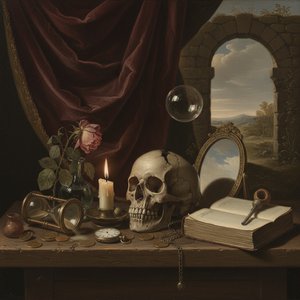 The Memento Mori Aesthetic: Decoding the Profound Symbolism of Vanitas ArtExplore the profound symbolism of Vanitas art. From Dutch Golden Age masterpieces to the haunting beauty of Memento Mori, uncover how class…